
In the ever-evolving landscape of laboratory biosafety, researchers and technicians face significant challenges in maintaining sterile environments. As microbial resistance rises and contamination risks loom, the demand for effective sterilization methods has never been greater. Traditional flame sterilizers such as Bunsen burners and alcohol lamps are increasingly seen as inadequate in modern laboratories, particularly those needing clean, efficient, and rapid solutions. Enter the Micro Incinerator / Infrared Inoculating Loop Sterilizer: a game-changing technology that is revolutionizing laboratory sterilization processes.
The Technical Principle Behind the Micro Incinerator
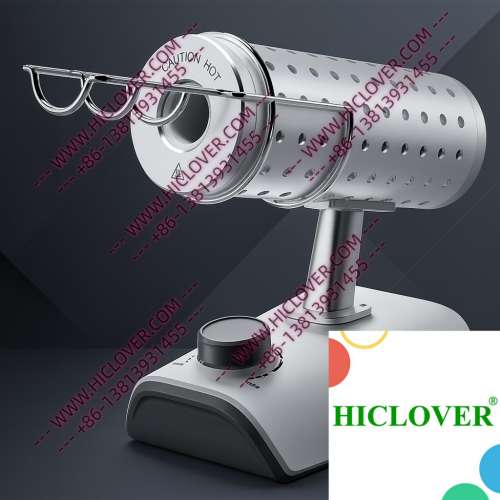
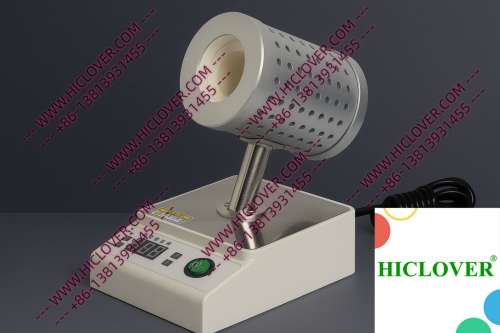
The Micro Incinerator utilizes infrared heating as its core principle of operation. This technology employs an enclosed ceramic heating chamber that generates rapid thermal sterilization, reaching high temperatures in a matter of seconds. Unlike conventional flame-based systems, the infrared model offers a more controlled and clean environment for sterilization. The absence of an open flame reduces the risk of fire hazards and enhances safety, especially in clean rooms and Biological Safety Level (BSL-2 and BSL-3) microbiology labs.
Moreover, the infrared high-temperature disinfection process ensures that inoculating loops and other instruments are sterile without the release of potentially harmful aerosols, making it an ideal choice for biosafety cabinets, field testing, and educational settings.
Applications of Mobile Laboratory Loop Sterilizers
- Biosafety Cabinets: In BSL-2 and BSL-3 labs, the Micro Incinerator is frequently used for efficient inoculation loop sterilization. The device can be operated under a biosafety cabinet, allowing researchers to maintain sterile conditions while minimizing contamination risks.
- Field Testing Laboratories: Mobile laboratories often face unique challenges due to their varying locations. The portability and lightweight design of the Micro Incinerator make it an excellent solution for field researchers, particularly in remote areas where traditional sterilization options may be unavailable.
- University Teaching Labs: In academic environments, the ease of use and safety features of the Micro Incinerator allow students to learn sterile techniques without the hazards associated with flame sterilization. This technology cultivates a safer experimental learning environment.
Compliance and Environmental Considerations
As global health organizations emphasize the importance of biosafety, adherence to sterilization standards is paramount. The World Health Organization (WHO) and various national regulators mandate stringent practices for laboratory sterilization. The Micro Incinerator aligns with these standards by providing a flame-free sterilization option, which is crucial in maintaining sterile conditions in clean rooms.
Using flame sterilizers like alcohol lamps or Bunsen burners can introduce volatile substances that may compromise experimental results. In contrast, the Micro Incinerator dramatically reduces the risk of contamination, aligning with best practices for sterilization in clinical diagnostics and research laboratories.
Micro Incinerator vs. Traditional Flame Sterilizers
| Feature | Micro Incinerator | Flame Burners |
|---|---|---|
| Operating Method | Infrared thermal sterilization | Open flame |
| Safety | Clean-bench-safe, no flame | Fire hazards, volatile vapors |
| Speed | Rapid thermal response | Slower ignition and stabilization |
| Contamination Control | Aerosol-free handling | Risk of aerosol generation |
| Portability | Highly portable | Bulky and less portable |
FAQs about Micro Incinerators and Laboratory Sterilization
1. What are the benefits of using a Micro Incinerator over traditional sterilizers?
The Micro Incinerator offers rapid thermal sterilization, enhanced safety due to its flame-free operation, and improved contamination control. It’s also highly portable, making it ideal for various applications.
2. Can the Micro Incinerator be used in clean rooms?
Yes, the Micro Incinerator is designed to be clean-bench-safe and is fully compliant with sterilization standards required within clean room environments.
3. How does infrared sterilization work?
The Micro Incinerator employs infrared heat to quickly and effectively raise the temperature of instruments to sterilizing levels, killing microorganisms without producing aerosols.
4. Is the Micro Incinerator suitable for educational laboratories?
Absolutely! The Micro Incinerator provides a safe and straightforward method for students to learn and practice sterile techniques in a controlled environment.
5. What types of instruments can be sterilized with a Micro Incinerator?
It can effectively sterilize inoculating loops, needles, and other small lab instruments that require rapid and effective decontamination.
Conclusion: Transform Your Laboratory Sterilization Process
Embracing modern sterilization technology such as the Micro Incinerator / Infrared Inoculating Loop Sterilizer can profoundly affect your laboratory’s operational efficiency and safety. Its innovative design caters to the high demands of today’s laboratory environments, ensuring compliance with stringent biosafety regulations while enhancing the user experience.
For more details on how the Micro Incinerator can revolutionize your laboratory’s sterilization workflow, feel free to contact us or explore our range of sterilization solutions tailored to meet your specific needs.
Categories:
Tags: