
As laboratories worldwide grapple with stringent biosafety challenges, particularly in the UK, the need for effective sterilization solutions has become paramount. Among various sterilization techniques, the Micro Incinerator, or Infrared Inoculating Loop Sterilizer, is an integral part of laboratory workflows aimed at ensuring contamination control and effective infection prevention. Whether in BSL-2 or BSL-3 environments, the transition from traditional flame sterilizers to high-efficiency loop sterilizers signifies a landmark shift in laboratory practices.
Overcoming Biosafety Challenges in Laboratory Environments
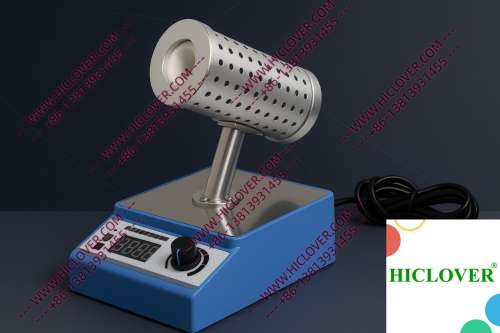
The evolution of laboratory biosafety protocols has led to increasing demands for sterilization equipment that not only meets compliance standards but also optimizes workflow efficiency. Laboratories often face the challenge of managing biological hazards while ensuring that equipment is safe for operation. In particular, the use of open flames, such as Bunsen burners and alcohol lamps, presents significant risks, including fire hazards, exposure to aerosols, and the potential for cross-contamination.
Technical Principles and Configuration of Infrared Inoculating Loop Sterilizers
The Infrared Inoculating Loop Sterilizer operates on the principle of rapid thermal sterilization using infrared radiation. By utilizing an enclosed ceramic heating chamber, this sterilizer can achieve high temperatures rapidly and uniformly without the production of flames. This design ensures that inoculating loops and other small instruments can be effectively sterilized in seconds.
- High Efficiency: Achieves sterilization in less than 10 seconds.
- Safe Operation: Eliminates risks associated with open flames.
- Low Maintenance: Minimal wear and tear due to solid-state design.
- What types of laboratories can benefit from using Infrared Inoculating Loop Sterilizers?
Micro incinerators are ideal for BSL-2 and BSL-3 microbiology labs, clinical diagnostics, and educational teaching labs. - How do Infrared Loop Sterilizers enhance laboratory safety?
These devices eliminate the use of open flames, reducing fire risks and aerosol exposure, thus promoting a safer working environment. - Are Infrared Loop Sterilizers compliant with WHO guidelines?
Yes, they conform to stringent international biosafety standards, making them suitable for laboratories handling infectious materials. - What kind of maintenance do Infrared Loop Sterilizers require?
Maintenance is minimal as they are designed with durable, solid-state components and require occasional cleaning of the ceramic heating chamber. - Can Infrared Loop Sterilizers be used for field testing?
Yes, their portability and rapid sterilization capabilities make them effective for field tests where cleanliness is critical.
Application Scenarios: Where Loop Sterilizers Shine
Various laboratory settings benefit from the use of Infrared Inoculating Loop Sterilizers. Here are two practical scenarios:
1. Biosafety Cabinets in Clinical Diagnostics
In clinical diagnostics, laboratories often rely on biosafety cabinets to contain biological samples. The use of an Infrared Inoculating Loop Sterilizer within these cabinets ensures that any tools in use — such as inoculating loops for streak plating — are instantaneously sterilized, minimizing contamination risks. The rapid thermal sterilization allows technicians to maintain a seamless workflow, reducing the need for time-consuming manual cleaning.
2. University Teaching Labs
In educational environments, such as university microbiology labs, students frequently engage in hands-on experiments involving live cultures. The integration of loop sterilizers in these settings not only enhances safety by removing the dangers associated with flame sterilization but also instills best practices in infection control among future scientists. Students can confidently perform their experiments without the fear of accidents linked to open flames.
Compliance and Environmental Considerations
The World Health Organization (WHO) has established a set of biosafety guidelines that govern laboratory practices, particularly in handling infectious agents. Compliance with these standards is crucial in the UK, especially in healthcare and research facilities. The lack of an open flame in clean rooms is a significant advantage of Infrared Inoculating Loop Sterilizers. This also reduces the inhalation risks posed by aerosolized pathogens that can be produced by flame sterilization methods.
Compliance Reference: The UK Health and Safety Executive (HSE) mandates adherence to stringent lab sterilization standards to ensure the safety of laboratory personnel and the integrity of research practices.
Comparison of Micro Incinerators vs. Traditional Flame Sterilizers
| Feature | Infrared Loop Sterilizer | Traditional Flame Sterilizers |
|---|---|---|
| Heat Source | Infrared Radiation | Open Flame |
| Speed of Sterilization | Rapid (Seconds) | Slower (Depends on setup) |
| Safety | No Flame Risk | Fire Hazard |
| Aerosol Production | None | Possible |
FAQs About Infrared Inoculating Loop Sterilizers
Conclusion: Elevate Your Laboratory Standards
Incorporating a Micro Incinerator or Infrared Inoculating Loop Sterilizer into your laboratory environment can significantly enhance workflows, improve safety, and ensure compliance with international standards. If you are looking to upgrade your sterilization practices, consider reaching out to our team for more information or to place an order. Transform your lab into a safer, more efficient workspace today!
Categories:
Tags: