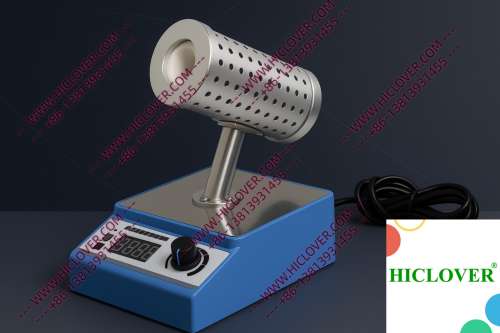
As laboratory workflows evolve, the challenges of biosafety and sterilization are becoming increasingly prevalent. Laboratories, particularly those involved in clinical diagnostics or microbiological research, are under constant pressure to maintain high standards of contamination control. Traditional methods, such as alcohol lamps or Bunsen burners, while effective, often present risks in terms of aerosol generation and can be challenging to use in clean environments. Enter the Micro Incinerator, a superior alternative that meets modern sterilization demands while complying with stringent biosafety regulations.
Understanding the Technical Principles of Micro Incinerators
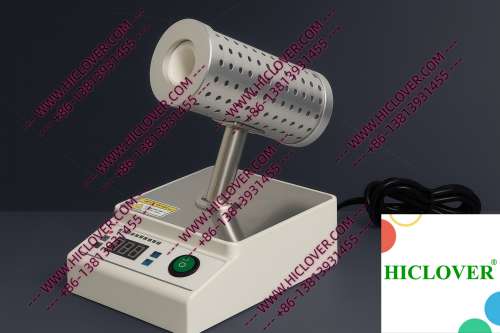
At the heart of the Micro Incinerator process is infrared heat, generated within a highly efficient ceramic heating chamber. Unlike open flames that pose contamination risks, the enclosed environment of the Micro Incinerator allows for rapid thermal sterilization, ensuring that inoculating loops and other sterilizable items are quickly and effectively decontaminated. The temperature control is precise, making it ideal for sensitive laboratory applications where over or under-sterilization may lead to errors.
The infrared design also minimizes energy consumption, demonstrating the sustainable potential of Micro Incinerators, making them an attractive option for laboratories in France looking to reduce their carbon footprint.
Application Scenarios of Micro Incinerators in Laboratories
Biosafety Cabinets and Clean Room Environments
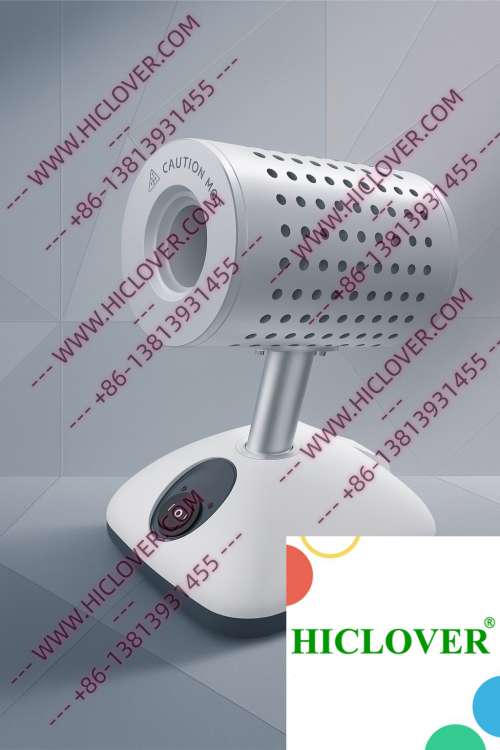
In BSL-2 and BSL-3 microbiology labs, maintaining sterile conditions is non-negotiable. Utilizing Micro Incinerators within biosafety cabinets allows researchers to efficiently sterilize tools without introducing aerosols into the environment. This is particularly crucial during procedures that involve high-risk pathogens where even minimal contamination can lead to significant safety hazards.
Teaching Labs: Fostering Safe Practices for Future Scientists
Micro Incinerators also find their place in academic settings, such as university teaching labs. Here, students are trained on proper sterilization techniques without the risks associated with traditional flame methods. By adopting infrared inoculating loop sterilizers, these institutions not only assure student safety but also alleviate the pressures of managing volatile substances in a classroom setting.
Compliance and Environmental Considerations
Compliance with biosafety and sterilization standards is critical for laboratories worldwide. The World Health Organization (WHO) outlines stringent guidelines for laboratory safety, emphasizing the need for reliable sterilization practices that do not compromise the integrity of lab environments. The Micro Incinerator’s design aligns with these criteria, providing a flame-free solution suitable for clean rooms.
Furthermore, the shift toward environmentally sustainable practices in laboratory operations is more urgent than ever. By implementing Micro Incinerators, facilities in France and beyond can support their sustainability goals, reducing waste and energy consumption associated with traditional sterilization methods.
Comparative Analysis: Micro Incinerators vs. Traditional Flame Sterilizers
| Feature | Micro Incinerator | Traditional Flame Sterilizer |
|---|---|---|
| Type of Heat | Infrared | Open Flame |
| Energy Efficiency | High | Moderate |
| Contamination Risk | Minimal | High (Aerosols) |
| Cleanroom Compatibility | Yes | No |
| Operational Safety | Safe | Risky |
Frequently Asked Questions
- What is a Micro Incinerator? A Micro Incinerator is a laboratory sterilization device that uses infrared heat for rapid thermal sterilization, ensuring effective tool decontamination.
- Can a Micro Incinerator be used in a clean room? Yes, the flame-free design of the Micro Incinerator makes it ideal for use in clean rooms and biosafety cabinets.
- How does a Micro Incinerator improve lab safety? By eliminating open flames, Micro Incinerators reduce the risk of fire hazards and aerosol contamination in sensitive environments.
- Is a Micro Incinerator energy-efficient? Yes, these devices are designed for optimal energy use, reducing overall consumption compared to traditional flamers.
- What applications benefit most from Micro Incinerators? They are particularly beneficial in BSL-2 and BSL-3 labs, teaching labs, and field-testing environments.
Conclusion
Micro Incinerators represent a transformative approach to sterilization in laboratory settings, particularly in France, where environmental concerns and strict biosafety regulations drive innovation. With their energy efficiency, minimal contamination risks, and versatile applications in various laboratory environments, these devices can redefine how we approach sterilization. For more information on how to enhance your lab’s sterilization practices or to make a purchase, don’t hesitate to reach out to our team. Explore the future of lab safety and sustainability with Micro Incinerators today!
Categories:
Tags: