
In recent years, the demand for effective sterilization solutions has grown significantly among laboratories, particularly in sectors like clinical diagnostics and microbiology research. With the continuous evolution of biosafety standards, lab professionals face mounting challenges to maintain contamination control while ensuring rapid thermal sterilization of instruments. Among the innovative solutions rising in prominence are micro incinerators, specifically the Micro Incinerator / Infrared Inoculating Loop Sterilizer, designed to meet the rigorous demands of modern laboratories.
Technical Principles and Configuration
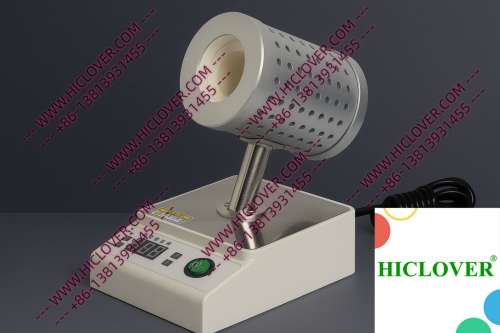
The Micro Incinerator utilizes advanced infrared heating technology to achieve high-temperature disinfection within an enclosed ceramic heating chamber. This design enables sterilization of inoculating loops, needles, and other tools in a safe and efficient manner, avoiding the risks associated with traditional flame sterilizers such as Bunsen burners and alcohol lamps. Utilizing an infrared radiator, this device can reach operating temperatures exceeding 800°C in mere moments, providing instant sterilization while enhancing user safety.
The compact design of the Micro Incinerator makes it ideal for laboratory environments where space is at a premium. Its enclosed structure minimizes contamination risks in clean benches and biosafety cabinets, making it a preferred choice for both BSL-2 and BSL-3 microbiology labs.
Applications in Real Laboratories
1. Field Testing Laboratories
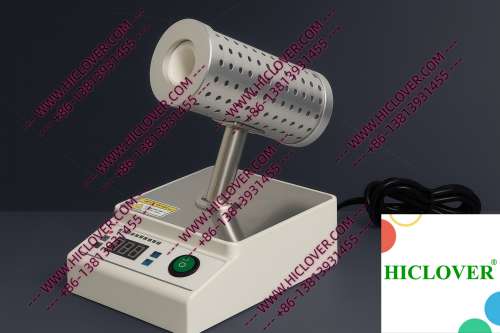
Field testing labs often require portable and efficient sterilization solutions. The Micro Incinerator stands out by offering an aerosol-free handling mechanism that allows safe sterilization even in outdoor settings. Researchers can confidently perform experiments without worrying about cross-contamination, thus ensuring the integrity of field samples and results.
2. University Teaching Labs
In university settings, the Micro Incinerator has become an essential tool for teaching students the critical practices of sterilization and microbiology. Within a controlled laboratory environment, students utilize the device to quickly and effectively sterilize inoculating loops, fostering an education rooted in best practices for contamination control and adherence to WHO biosafety standards. The user-friendly operation further ensures that students can focus on their experiments rather than troubleshooting sterilization processes.
Compliance and Environmental Impact
Adhering to biosafety compliance is crucial for laboratories, especially when dealing with potentially hazardous biological materials. The Micro Incinerator aligns seamlessly with WHO biosafety requirements, promoting a safe working environment. Unlike traditional flame sterilizers, which can produce potentially harmful aerosols, the non-flame operation of the Micro Incinerator eliminates the risk of fire and increases safety in clean rooms and labs.
Furthermore, the energy efficiency of the Micro Incinerator supports environmental sustainability initiatives. By optimizing thermal sterilization, it minimizes energy consumption compared to conventional methods, aligning with the goals of Italy’s innovative waste management strategies.
Advantages Over Traditional Sterilizers
Micro Incinerator vs. Traditional Flame Sterilizers
| Feature | Micro Incinerator | Flame Sterilizers |
|---|---|---|
| Temperature Control | Rapid and precise temperature adjustment | Variable and difficult to control |
| Aerosol Production | No aerosol generation | Potential for aerosol and smoke |
| Ease of Use | User-friendly interface, compact design | Requires more skill to operate safely |
| Environmental Impact | Low energy consumption | High energy consumption |
Frequently Asked Questions
- What types of tools can be sterilized with the Micro Incinerator? The device is ideal for sterilizing inoculating loops, needles, forceps, and other small laboratory instruments.
- Is it safe to use in biosafety cabinets? Yes, the Micro Incinerator is designed to be clean-bench-safe and poses no risk of fire or contamination in biosafety cabinets.
- How does it comply with WHO biosafety standards? The unit operates without flames, reducing the risk of aerosol generation and ensuring a sterile environment as per WHO requirements.
- Can the Micro Incinerator be used for field testing? Absolutely! Its portability and easy operation make it an excellent choice for field testing laboratories.
- What advantages does it have over traditional flame sterilizers? It offers rapid thermal sterilization, precise temperature control, and reduced environmental impact while avoiding the risks associated with flames.
Conclusion
As Italy continues to advance its waste management strategies, the micro incinerator exemplifies the innovative solutions reshaping the landscape of laboratory sterilization. By focusing on safety, efficiency, and compliance, the Micro Incinerator / Infrared Inoculating Loop Sterilizer stands out among sterilization equipment available in the market today.
If your laboratory is looking to enhance sterilization processes while maintaining a commitment to biosafety and environmental practices, consider incorporating the Micro Incinerator into your workflow. For further inquiries or to request a demo, please do not hesitate to contact us.
Categories:
Tags: