
Laboratories around the globe face significant biosafety challenges in managing biological waste and ensuring thorough sterilization of laboratory equipment. With stringent regulations and the demand for contamination control rising, traditional methods like flame sterilizers are becoming increasingly inadequate. Enter the Micro Incinerator or Infrared Inoculating Loop Sterilizer, a cutting-edge solution that is not only transforming waste disposal practices in Denmark but also enhancing sterilization workflows in various laboratory settings.
The Technical Mastery Behind Micro Incinerators
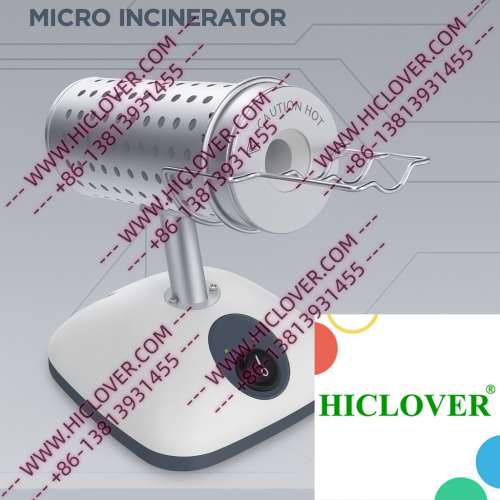
The Micro Incinerator operates on the principle of infrared heat, utilizing an enclosed ceramic heating chamber that rapidly achieves high temperatures. This technology ensures instant and effective sterilization, obliterating biological contaminants including bacteria and viruses without the risk of open flames. As a result, it offers a clean-bench-safe operation, critical for maintaining sterile environments in biosafety cabinets and laboratories.
Comparison with Traditional Flame Sterilizers
| Feature | Micro Incinerator | Traditional Flame Sterilizer |
|---|---|---|
| Heating Method | Infrared Technology | Open Flame |
| Safety | No open flame; aerosol-free handling | Risk of burns and contamination |
| Efficiency | Rapid thermal sterilization (< 5 seconds) | Longer heating time |
| Environment | Ideal for clean rooms | Not suitable for clean environments |
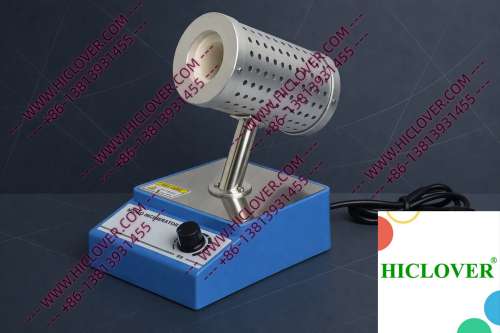
Diverse Applications of Micro Incinerators
The versatility of the Micro Incinerator allows it to be deployed in various laboratory environments, effectively addressing sterilization needs while enhancing workflow. Here are two illustrative application scenarios:
1. Biosafety Cabinets in BSL-2 Laboratories
In BSL-2 microbiology labs, maintaining a sterile environment is paramount. The use of Micro Incinerators allows researchers to efficiently sterilize inoculating loops and other small equipment directly within the biosafety cabinet. This practice not only minimizes contamination risk but also upholds the facility’s compliance with WHO biosafety standards. The rapid sterilization feature ensures that researchers can spend less time sanitizing tools and more time on critical experiments.
2. Field Testing and Mobile Labs
In field testing scenarios, particularly in remote or underserved regions of Denmark, the Micro Incinerator shines. Its compact design and battery-operated functionalities allow scientists to conduct sterilization on-site without relying on electrical outlets or traditional flame sources. Consequently, it aids in swift operations while ensuring complete safety during biological sampling, even where contamination control is imperative.
Compliance and Environmental Considerations
One of the major advantages of using Micro Incinerators is their alignment with global laboratory sterilization standards. Unlike conventional flame sterilizers that may release aerosols and withstand contamination risks, Micro Incinerators provide a cleaner alternative that complies with the stringent guidelines laid out by the World Health Organization (WHO) and other regulatory agencies.
Moreover, avoiding flames in clean room facilities greatly reduces the risk of ignition and ensures that maximum sterilization is achieved in a controlled environment. This is particularly valuable in clinical diagnostics and university teaching laboratories, where safety protocols dictate stringent measures to maintain biosafety.
Is a Micro Incinerator Right for You? Frequently Asked Questions
- What is the typical sterilization time with a Micro Incinerator?
The Micro Incinerator typically achieves sterilization within 5 seconds, making it extremely efficient. - Can Micro Incinerators be used in sterile environments?
Yes, they are designed to operate safely in clean rooms without open flames, ensuring contamination control. - How does infrared sterilization compare to traditional methods in terms of safety?
Infrared sterilization eliminates the risks associated with open flames, reducing the potential for accidents and contamination. - Are Micro Incinerators suitable for field applications?
Absolutely! Their compact design and battery options make them ideal for field testing and mobile labs. - What maintenance do Micro Incinerators require?
Routine cleaning of the ceramic chamber is recommended to maintain efficiency and prolong the device lifespan.
Conclusion: Revolutionize Your Laboratory’s Sterilization Practices
As demonstrated, Micro Incinerators are not just an innovation but a revolution in waste disposal and sterilization within laboratories across Denmark and beyond. With their rapid thermal sterilization capabilities, compliance with safety standards, and versatility across different settings, they significantly enhance laboratory workflows while ensuring biosafety. If you are ready to elevate your laboratory’s sterilization process and embrace the future of waste management, consider investing in a Micro Incinerator today. Connect with us for more information or to place an order!