
In modern laboratory environments, the need for effective contamination control and efficient sterilization methods cannot be overstated. Traditional sterilization techniques, such as alcohol lamps and Bunsen burners, often produce undesirable byproducts, including smoke and odors, which can compromise air quality and biosafety protocols. Fortunately, advancements in sterilization technology have given rise to solutions like Micro Incinerators and Infrared Inoculating Loop Sterilizers, which offer cleaner, faster, and safer alternatives for lab professionals in diverse settings.
Understanding Micro Incineration Technology
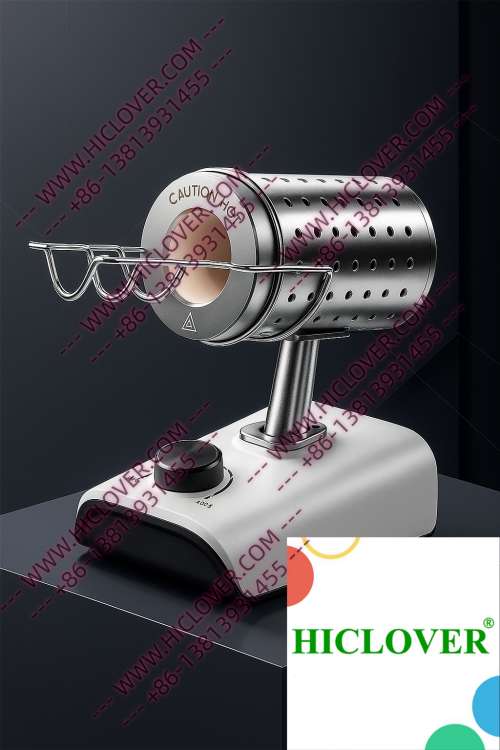
The core principle behind Micro Incineration technology is rapid thermal sterilization through infrared heat. This method is designed to efficiently eliminate contaminants without the disadvantages associated with traditional flame-based options. By utilizing an enclosed ceramic tube that radiates high temperatures, these devices ensure that sterilization is both effective and safe.
Unlike their flame counterparts, which pose risks such as open flames in sensitive environments like clean rooms or biosafety cabinets, Micro Incinerators operate at higher temperatures while containing all combustion-related byproducts. The enclosed design prevents aerosol generation, a critical factor when working with pathogenic microorganisms in laboratories.
Applications in Real Laboratory Environments
-
Biosafety Cabinet Operations
In BSL-2 and BSL-3 microbiology labs, where handling infectious agents is routine, safety and compliance are paramount. Micro Incinerators are an ideal choice for sterilizing inoculating loops and other tools in biosafety cabinets. Their odorless operation minimizes the risk of contamination within the clean environment, ensuring that microbiological experiments can proceed without external interference.
-
Field Testing Scenarios
Field testing labs often encounter the challenge of remote locations where traditional sterilization methods may not be practical. A mobile Infrared Inoculating Loop Sterilizer can be the solution for rapid thermal sterilization of samples collected outdoors. Its lightweight design and battery-powered options make it a feasible choice for researchers conducting tests in areas where standard lab equipment is unavailable.
- High-temperature infrared heating
- Enclosed heating elements
- Aerosol-free operation
- What is the ideal temperature for a Micro Incinerator?
Most Micro Incinerators reach temperatures up to 800°C for effective sterilization of laboratory tools. - Can Micro Incinerators be used in field settings?
Yes, portable models are designed for outdoor and field conditions, providing a reliable sterilization solution wherever needed. - Are Micro Incinerators compliant with WHO standards?
Yes, they meet various international biosafety standards, ensuring safe sterilization procedures within laboratory protocols. - How do I maintain a Micro Incinerator?
Regular cleaning of the ceramic tube and maintaining its electrical components will ensure longevity and reliability. - Can Micro Incinerators replace traditional sterilization methods?
Yes, they provide a more efficient, safer, and odorless alternative while fulfilling the necessary sterilization standards.
Compliance with Biosafety Standards
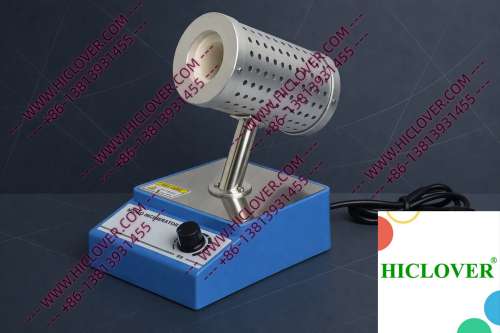
Laboratories must adhere to strict sterilization standards set forth by governing bodies like the World Health Organization (WHO) and various national laboratory standards. The need for non-flame sterilizers has been increasingly recognized to preserve the integrity of sensitive samples and minimize risks in clean areas. Micro Incinerators effectively comply with these regulations, making them suitable for environments where flame-based sterilization would introduce hazards.
In the context of clinical diagnostics, laboratories typically demand tools that can ensure thorough sterilization while maintaining a sterile environment. With features such as:
Micro Incinerators meet the specific requirements set forth by laboratory safety protocols. Their integration into safety cabinets and clinical environments not only enhances safety but also streamlines sterilization workflows.
Advantages Over Traditional Flame Sterilizers
When compared to traditional flame sterilizers, Micro Incinerators present several distinct advantages:
| Feature | Micro Incinerator | Flame Sterilizer |
|---|---|---|
| Odor and Smoke | Odorless operation | Produces smoke and fumes |
| Efficiency | Rapid thermal sterilization | Requires longer heat-up time |
| Safety | No open flames | Open flames can pose fire risks |
| Versatility | Suitable for various lab settings | Limited to specific environments |
| Maintenance | Low maintenance | Regular cleaning required |
Frequently Asked Questions (FAQs)
Conclusion
The transition from traditional flame sterilizers to cutting-edge Micro Incinerators represents a significant advancement for laboratory sterilization equipment. By addressing the myriad challenges faced in contemporary lab environments, these devices offer rapid thermal sterilization and enhanced safety without compromising air quality. Whether in clinical diagnostics, research facilities, or educational institutions, investing in an Infrared Inoculating Loop Sterilizer is a decision that can significantly improve sterilization workflows and maintain stringent compliance standards.
If you are ready to enhance your laboratory’s sterilization capabilities, contact us today to explore our range of Micro Incinerators and find the solution that best fits your needs.
Categories:
Tags: