
In clinical and research laboratories, the paramount challenge is ensuring a sterile environment while managing contamination risks. As laboratories strive to maintain strict biosafety protocols, the demand for efficient and effective sterilization methods has risen dramatically. Traditional flame sterilizers such as alcohol lamps and Bunsen burners have long been staples in these settings, but their associated risks—flames, fumes, and contamination—drive a search for safer alternatives. This is where odorless sterilization technologies, particularly the Micro Incinerator or Infrared Inoculating Loop Sterilizer, come into play.
The Science Behind Infrared Sterilization
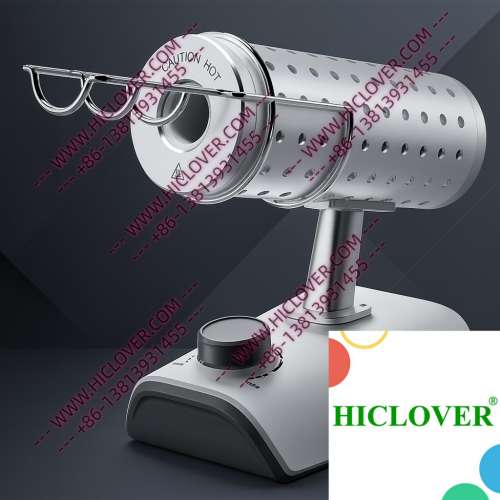
Operating on the principle of rapid thermal sterilization, the Micro Incinerator utilizes enclosed ceramic heating chambers that emit infrared radiation to achieve high-temperature disinfection. Unlike traditional flame sterilizers that can produce smoke and fumes, infrared sterilizers offer an enclosed environment that minimizes contaminants in the air. The seamless integration of infrared heating ensures that sterilization processes are not only efficient but also safe for laboratory personnel.
- Enclosed Ceramics: Prevents aerosol generation, maintaining a clean workspace.
- Instant Heating: Provides rapid temperature increase, ensuring quick sterilization cycles.
- Energy Efficiency: Low power consumption compared to traditional methods.
Application Scenarios: Real-World Use Cases
1. BSL-2 and BSL-3 Laboratories
In biosafety level (BSL) labs, where pathogenic organisms are studied, maintaining sterility is crucial. The Micro Incinerator proves particularly valuable in these environments, allowing for safe and efficient loop sterilization without introducing additional risks associated with open flames. Researchers rely on this technology within their biosafety cabinets where space is minimal, and safety cannot be compromised. The system can be directly integrated into existing workflows, supporting liquid culture manipulations without the risk of contamination.
2. Teaching Laboratories
Educational institutions with teaching labs for microbiology students have adopted infrared inoculating loop sterilizers as part of their curriculum. These devices not only provide students with hands-on experience in sterilization techniques but also promote safety awareness. Instructors appreciate the ease of use and the odorless operation, allowing for a focused learning environment without the distraction of burning alcohol or open flames.
Compliance and Safety Standards
Compliance with WHO biosafety regulations and other sterilization standards is non-negotiable. Laboratory protocols are designed to promote safety and protect workers from exposure to hazardous materials. Traditional flame sterilizers are often incompatible with clean rooms and sterile environments, introducing variables that can compromise biocontainment. In contrast, the Micro Incinerator is designed explicitly for meet stringent laboratory sterilization standards, enabling laboratories to operate within safe compliance parameters.
No-flame technology is a significant advantage, particularly in settings where volatile chemicals may be present, such as in CO₂ incubators or anaerobic chambers. By utilizing infrared sterilization, laboratories can ensure both biosafety and operational integrity.
Comparative Analysis: Micro Incinerator vs. Traditional Flame Burners
| Feature | Micro Incinerator | Flame Burners |
|---|---|---|
| Safety | Odorless, no open flame | Risk of fire hazards |
| Speed | Instant heating | Variable heating time |
| Environment | Aerosol-free | Produces smoke and fumes |
| Energy Consumption | Low | Higher |
| Compliance | Meets WHO standards | May not be suitable for BSL conditions |
Frequently Asked Questions
What types of laboratories can benefit from using the Micro Incinerator?
The Micro Incinerator is suitable for BSL-2 and BSL-3 microbiology labs, university teaching labs, clinical diagnostic settings, and even mobile field testing laboratories.
How does the Micro Incinerator improve workflow in sterilization processes?
It reduces the time required for sterilization. The instant heating capability allows for rapid thermal sterilization, enabling labs to maintain optimal productivity without extra down-time.
Is the Micro Incinerator environmentally friendly?
Yes, it operates without producing aerosols or smoke, contributing to a cleaner laboratory environment and better compliance with environmental safety standards.
How does the Micro Incinerator ensure safety in lab environments?
With its enclosed design, the Micro Incinerator eliminates the risk of open flames, thereby reducing the chances of fire hazards and enhancing overall laboratory safety.
Can the Micro Incinerator be used in conjunction with other sterilization methods?
Absolutely! The Micro Incinerator can complement other sterilization methods, allowing labs to develop comprehensive sterilization protocols that suit their specific needs.
Conclusion
In the evolving landscape of laboratory sterilization technology, the Micro Incinerator stands out as a beacon of safety, efficiency, and compliance. It meets the rigorous demands of modern biosafety, elevating sterile processes without the risks associated with traditional flame-based methods. With its rapid thermal sterilization capabilities and ease of use, it is the ideal choice for laboratories aiming to enhance their workflows while safeguarding researchers and the environment. For more information or an inquiry regarding purchases, feel free to reach out to us!
Categories:
Tags: