
In a world increasingly focused on biosafety and contamination control, laboratories face a challenging landscape when it comes to sterilization workflows. With the rising threat of microbial contamination, particularly in sensitive environments like BSL-2 and BSL-3 microbiology labs, the quest for effective sterilization methods has led to the emergence of advanced solutions such as the Micro Incinerator or Infrared Inoculating Loop Sterilizer. These devices not only provide an efficient means to achieve high-temperature disinfection but also address environmental concerns associated with traditional flame-based sterilization methods.
The Technical Principles Behind Micro Incinerators
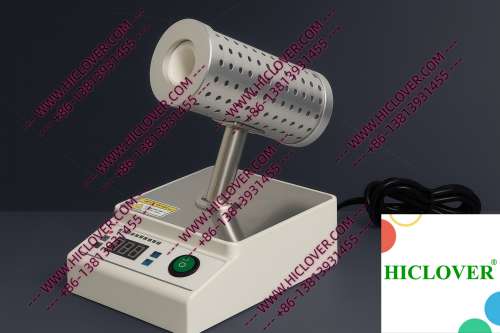
The Micro Incinerator employs a sophisticated design that ensures rapid thermal sterilization through an enclosed ceramic heating chamber. Utilizing infrared heat, this device can achieve temperatures exceeding 1000°C almost instantly. Unlike traditional flame sterilizers, which can spread heat unevenly and release harmful aerosols, the Micro Incinerator provides a clean-bench-safe operation, allowing researchers to work with minimal risk of contamination. This configuration reduces the possibility of aerosol generation, providing a safer option for laboratory personnel.
Advantages over Traditional Flame Sterilizers
When comparing the Micro Incinerator to traditional methods like alcohol lamps and Bunsen burners, its benefits become crystal clear:
| Feature | Micro Incinerator | Flame Sterilizers |
|---|---|---|
| Heat Generation | Infrared, rapid, consistent | Open flame, variable |
| Aerosol Production | Minimal | High |
| Safety | No flame, clean-room compatible | Risks associated with open flame |
| Environmental Impact | Low emissions | Potential pollutants |
Applications in Different Laboratory Settings
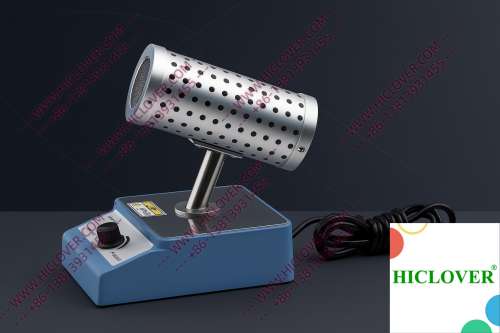
The versatility of the Micro Incinerator is evident in its applicability across various laboratory environments. Here are two key scenarios:
1. University Teaching Labs
In educational settings, demonstrating effective sterilization techniques is paramount. Micro Incinerators can streamline educational efforts by allowing students to safely practice sterilization techniques without the risks associated with flame methods. The precise temperature control and quick heating capabilities facilitate a productive learning environment, particularly vital for microbiology students.
2. Clinical Diagnostics
In clinical labs where quick and reliable sterilization is vital for accurate test results, the Micro Incinerator becomes an indispensable tool. Its compact size and straightforward portability make it ideal for use inside biosafety cabinets, ensuring a sterile workspace. This is crucial in environments where contamination could impact diagnoses or lead to further complications in patient care.
Environmental Considerations and Compliance Standards
The unique capabilities of the Micro Incinerator align closely with contemporary environmental policies aimed at reducing emissions and combating climate change. Adhering to guidelines set by the WHO on biosafety, laboratories must consider the implications of their sterilization techniques on the environment. Traditional flame sterilizers are often associated with higher levels of pollutants and safety risks, contrary to the clean operation of infrared sterilizers.
In clean rooms, the absence of flame in sterilization operations is not merely a preference but a compliance requirement. Infrared sterilizers contribute to maintaining the integrity of sterile environments, mitigating contamination risks associated with flame-based systems.
FAQs about Micro Incinerators
- What is a Micro Incinerator? A compact device that uses infrared heat for rapid sterilization of laboratory instruments, designed to eliminate microbial contamination.
- How does it compare to traditional flame sterilization? It offers rapid thermal sterilization without the risks associated with open flames, resulting in lower aerosol generation.
- Can a Micro Incinerator be used in BSL-3 labs? Yes, its design allows for safe use within high-containment laboratories, promoting a cleaner work environment.
- What maintenance is required for a Micro Incinerator? Regular cleaning of the ceramic chamber and ensuring the device is functioning correctly is essential for consistent performance.
- Are Micro Incinerators compliant with WHO sterilization standards? YES, they meet or exceed many standards for sterilization in laboratory environments.
Conclusion
The controversial role of Micro Incinerators within Italian waste policies underscores the need for innovative solutions in laboratory sterilization. By aligning with contemporary biosafety standards and environmental requirements, these advanced sterilizers offer a clear advantage over traditional flame-based methods. Laboratories that prioritize both safety and efficiency will find that incorporating the Micro Incinerator enhances their operational workflow while supporting compliance efforts.
If you’re interested in upgrading your lab’s sterilization process, consider investing in a Micro Incinerator today. For more information or to request a quote, please contact our sales team. Your commitment to safety and efficiency can transform not just your laboratory but the wider scientific community.