
In today’s laboratory environments, the need for safe, effective sterilization methods is more pressing than ever. Laboratories face unique biosafety challenges, particularly in settings such as BSL-2 and BSL-3 microbiology labs, where contamination control is critical. With the rise of global health threats, enhancing sterilization workflow demands is essential. Enter the high-efficiency micro incinerators, designed to provide rapid thermal sterilization with minimal emissions. This article focuses on the Micro Incinerator/Infrared Inoculating Loop Sterilizer and its pivotal role in contemporary laboratory sterilization practices.
Technical Principles: How Micro Incinerators Work
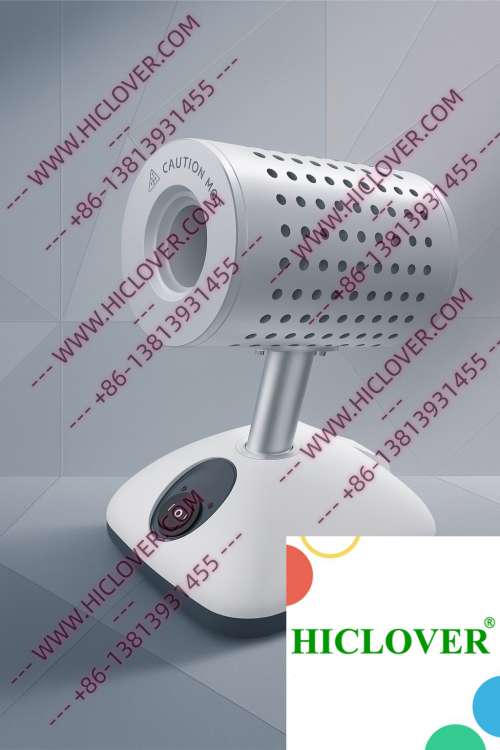
The Micro Incinerator operates based on the principle of infrared heat, utilizing an enclosed ceramic tube that reaches high temperatures. This enclosed design not only ensures safety but significantly reduces the risk of open flames, making it an ideal tool for clean rooms and sensitive environments. Traditional methods, such as Bunsen burners and alcohol lamps, produce soot and risk exposing users to contaminants. In contrast, infrared sterilizers deliver high-temperature disinfection without the drawbacks of flame-based systems.
- Low emissions: Unlike alcohol lamps which release smoke and fumes, micro incinerators promote a clean burn.
- Rapid thermal sterilization: Capable of reaching sterilization temperatures within seconds.
- Contamination control: Safe to use in biosafety cabinets without the risk of igniting hazardous substances.
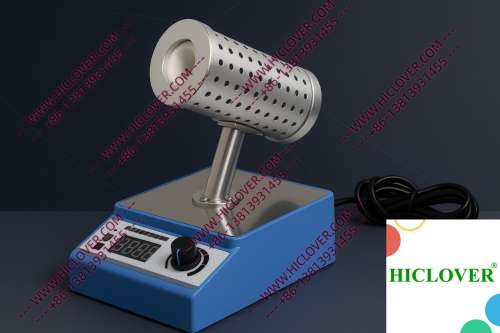
Applications in Modern Laboratories
1. Biosafety Cabinets
Using micro incinerators in biosafety cabinets enhances microbiological safety. In a BSL-2 laboratory, where aerosol production is a concern, the infrared inoculating loop sterilizer allows researchers to quickly sterilize inoculating loops and other implements without risking contamination from traditional flamethrowers that can produce aerosols and exposure to flammable materials.
2. Field Testing
Field testing labs, often in diverse environmental conditions, require mobile, efficient, and safe sterilization solutions. The compact design of micro incinerators makes them suitable for on-site testing such as soil sampling or water quality tests, where traditional flame sterilization can pose safety issues. Researchers can ensure that their microbial assays are free from unwanted contamination with a low-emission and efficient device.
Compliance and Environmental Considerations
Micro incinerators align with global sterilization standards set forth by the World Health Organization (WHO) and other regulatory bodies. By eliminating open flames, these devices help maintain the integrity of clean rooms essential for sensitive experiments. Laboratories across countries—including those in Europe with stringent health and safety regulations—are transitioning to high-efficiency sterilizers to remain compliant while ensuring staff safety.
Comparative Analysis: Micro Incinerator vs. Flame Burners
| Feature | Micro Incinerator | Flame Burners |
|---|---|---|
| Efficiency | High thermal efficiency and quick operation. | Slower to reach required sterilization temperatures. |
| Safety | No open flame, low risk of contamination. | Open flames pose significant safety risks. |
| Environmental Impact | Low emissions and cleaner operation. | Produces smoke and releases harmful gases. |
| Usability | Designed for safe use in clean areas. | Limited to environments without flammable materials. |
Frequently Asked Questions (FAQs)
What is the main advantage of a micro incinerator over traditional sterilizers?
The key advantage is the rapid and safe sterility achieved without an open flame, enhancing contamination control and user safety.
Can micro incinerators be used in university teaching labs?
Absolutely! Micro incinerators are perfect for educational settings where both safety and efficiency are paramount, allowing students to learn proper sterilization techniques without the risks associated with traditional methods.
How do I maintain a micro incinerator?
Routine maintenance involves ensuring that the ceramic heating element is clean and free from residues that could impair efficiency. It’s important to refer to the manufacturer’s guidelines for specific cleaning protocols.
Are micro incinerators compliant with biosafety regulations?
Yes, micro incinerators are designed to comply with WHO biosafety standards, making them an ideal choice for labs requiring high contamination control.
Can I use a micro incinerator in a mobile lab?
Yes, the compact and efficient design of micro incinerators makes them suitable for mobile labs, ensuring safe and effective sterilization in various field conditions.
Conclusion
As laboratories strive to improve their effectiveness in minimizing biohazards and enhancing sterilization workflows, high-efficiency micro incinerators present a compelling solution. With their rapid thermal sterilization capabilities and compliance with global biosafety standards, these devices are tailor-made for modern laboratory challenges—be it in clinical diagnostics, teaching environments, or field testing. If you’re ready to elevate your laboratory sterilization practices, consider integrating a Micro Incinerator into your operations. For inquiries or to request a demo, contact us today!
Categories:
Tags: