
Laboratories around the world face significant challenges when it comes to biosafety and contamination control. As research and diagnostic demands increase, the need for rapid and effective sterilization methods becomes increasingly paramount. This is particularly true in microbiology labs operating within BSL-2 and BSL-3 facilities, where maintaining a contamination-free environment is crucial for both research integrity and public health. Enter the Micro Incinerator / Infrared Inoculating Loop Sterilizer—a revolutionary tool that meets these sterilization workflow demands while ensuring compliance with established safety standards.
The Technical Principles of Infrared Sterilization
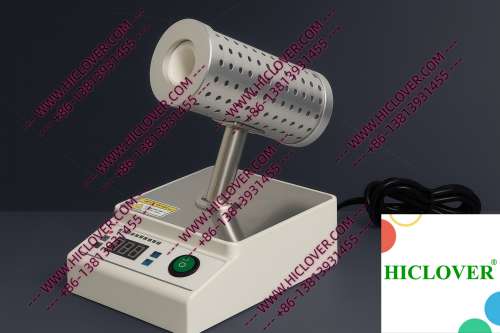
The Micro Incinerator utilizes a sophisticated infrared heating mechanism inside an enclosed ceramic tube, enabling efficient sterilization without the use of open flames. This infrared high-temperature disinfection method allows for rapid thermal sterilization of inoculating loops and other small instruments directly in the sterile field. Unlike traditional flame sterilizers, such as alcohol lamps and Bunsen burners, which can introduce aerosols and potentially hazardous contaminants, the Micro Incinerator ensures a clean-bench-safe environment, free from exposure to harmful products of combustion.
With its precise heat control and quick heating times, the ceramic heating chamber can reach temperatures of up to 900°C in seconds, effectively sterilizing tools and minimizing the risk of cross-contamination. The compact and portable design enables laboratory technicians and students to easily integrate the Micro Incinerator into their workflows, ensuring maximum efficiency and safety.
Applications of the Micro Incinerator in Real Labs
The versatility of the Micro Incinerator makes it suitable for various laboratory environments. Here are two practical application scenarios:
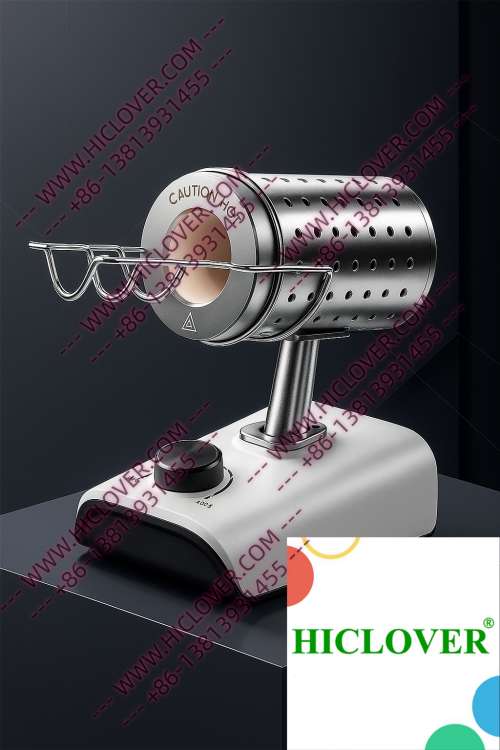
- Biosafety Cabinet Use: In many BSL-2 microbiology labs, the Micro Incinerator can be placed within a biosafety cabinet. This configuration allows for aerosol-free handling of pathogenic material, significantly reducing the risk of contamination. The rapid heating of inoculating loops ensures that samples can be prepared quickly, facilitating a seamless workflow.
- Teaching Labs: University biology and microbiology teaching labs benefit greatly from the incorporation of Micro Incinerators. Students can safely learn the principles of sterile technique without the hazards associated with flame sterilization. Instructors can demonstrate effective contamination control practices, fostering a safety-first culture among future scientists.
Compliance and Environmental Considerations
Compliance with biosafety guidelines is critical for all laboratories. The World Health Organization (WHO) provides established protocols for laboratory sterilization, particularly for areas handling infectious materials. The Micro Incinerator aligns with these standards, offering a flame-free solution that is essential for clean room operations. Many laboratory environments prohibit the use of open flames inside sterile zones, making the Micro Incinerator a vital piece of sterilization equipment.
Furthermore, the Micro Incinerator’s design minimizes carbon emissions and waste generation, supporting laboratories in their efforts to create a more sustainable operation. By eliminating the need for alcohol and other flammable materials, laboratories are able to adopt environmentally-friendly practices while still achieving effective sterilization.
Comparative Analysis: Micro Incinerator vs. Flame Sterilizers
| Feature | Micro Incinerator | Flame Sterilizers |
|---|---|---|
| Heat Source | Infrared | Open Flames |
| Safety | Flame-free, aerosol-free | Risk of burns & aerosols |
| Speed of Sterilization | Seconds | Minutes |
| Environmental Impact | Low (no combustion) | High (carbon emissions) |
| Ease of Use | Portable, compact | Bulky, requires training |
Frequently Asked Questions (FAQs)
- What safety features does the Micro Incinerator offer?
The Micro Incinerator is designed to operate without an open flame, reducing the risk of burns and contamination. Its enclosed ceramic tube ensures safe handling of tools. - How does infrared sterilization work?
Infrared sterilization relies on rapid thermal heating, reaching temperatures up to 900°C, effectively eliminating bacteria and other pathogens without combustion by-products. - Can the Micro Incinerator be used in field settings?
Yes, its compact design and portability make it ideal for mobile or field testing labs where rapid sterilization is needed without compromising safety. - What makes this sterilizer ideal for teaching labs?
Its ease of use, combined with the elimination of open flames, creates a safe educational environment for students learning sterile techniques. - Is the Micro Incinerator compliant with WHO guidelines?
Yes, it adheres to WHO protocols for laboratory sterilization, ensuring a safe and effective sterilization process in laboratory settings.
Conclusion
As laboratory requirements evolve, the need for reliable, safe, and efficient sterilization tools such as the Micro Incinerator / Infrared Inoculating Loop Sterilizer becomes increasingly vital. With its advanced technology, compliance with safety standards, and versatility across different settings—including BSL-2 labs, teaching institutions, and field applications—it offers significant advantages over traditional flame sterilizers. For laboratories looking to improve their sterilization workflows while ensuring the highest levels of biosafety, the Micro Incinerator is an excellent investment. Contact us today to learn more about this innovative sterilization solution and how it can enhance your laboratory operations.
Categories:
Tags: