
Laboratory safety and sterilization efficiency are persistent challenges faced by research scientists across various domains, including clinical diagnostics, microbial research, and educational institutions. Modern laboratories require innovative solutions for effective waste disposal and sterilization processes to ensure optimal biosafety standards and operational workflows. Conventional methods, such as alcohol lamps and Bunsen burners, often fall short when it comes to the rapid thermal sterilization of inoculating loops, needles, and other small items, which is crucial in preventing contamination.
Technical Principles of Micro Incinerators
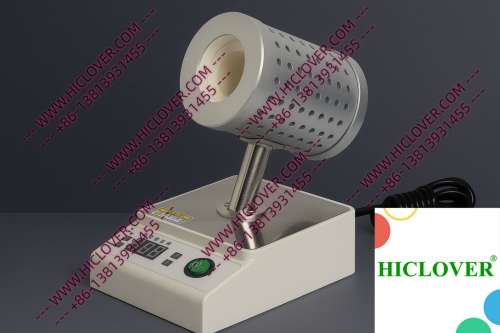
Among the modern solutions being embraced, micro incinerators, specifically the Micro Incinerator / Infrared Inoculating Loop Sterilizer, showcase an advanced approach to laboratory sterilization. Leveraging infrared heat technology, these devices provide efficient and effective sterilization without the risks associated with open flames. The infrared heating element, housed within an enclosed ceramic tube, rapidly reaches high temperatures, ensuring that various tools and media are adequately disinfected in a matter of seconds.
- Rapid thermal sterilization: Provides consistent temperatures for swift disinfection.
- Aerosol-free handling: Minimizes contamination risks during sterilization.
- Clean-bench-safe: Functions without an open flame, enhancing laboratory safety.
- Low energy consumption: More energy-efficient than traditional flame sterilizers.
-
What is the principle of operation for a Micro Incinerator?
Micro Incinerators operate using infrared heat to achieve rapid thermal sterilization, providing a flame-free alternative to traditional sterilizers. -
Can Micro Incinerators be used in BSL-2 labs?
Yes, they are ideal for use in BSL-2 and BSL-3 laboratories, as they minimize biosafety risks associated with aerosolization and flames. -
How does a Micro Incinerator enhance laboratory safety?
By eliminating open flames, they reduce fire hazards and allow for safe handling of microbial tools in clean environments. -
Are there specific applications where Micro Incinerators excel?
They are particularly effective in biosafety cabinets, teaching laboratories, and field testing labs, where sterile conditions are critical. -
What kind of maintenance does a Micro Incinerator require?
Maintenance is minimal due to the robust ceramic construction; regular cleaning and occasional calibration are typically sufficient.
Applications of Micro Incinerators in Various Labs
The versatility of micro incinerators enables their use in diverse laboratory environments. Below are two scenarios illustrating their efficacy in real-world settings:
1. Biosafety Cabinets
Within BSL-2 and BSL-3 microbiology laboratories, where biohazardous materials are routinely handled, adherence to strict biosafety protocols is paramount. The Micro Incinerator’s flame-free operation allows researchers to disinfect inoculating loops conveniently within biosafety cabinets. This reduces the likelihood of aerosol generation, a significant risk factor during microbial work, while ensuring that workflows remain uninterrupted.
2. University Teaching Labs
In academic institutions, particularly in biology and microbiology courses, laboratory instruction requires reliable sterilization methods to teach students fundamental skills safely. The Micro Incinerator offers an ideal solution for this training environment, allowing students to observe and perform sterile techniques without exposure to hazardous flames. The rapid heating ensures that the sterilization processes are quick and efficient, keeping the focus on education rather than equipment maintenance.
Compliance with Safety Standards and Environmental Implications
As laboratories strive to comply with global health standards, including those set by the World Health Organization (WHO), the adoption of advanced sterilization equipment becomes essential. WHO biosafety guidelines emphasize the need for proper waste management and contamination control measures in laboratory settings. The use of micro incinerators aligns with these recommendations by providing a sterile environment without the risk of flames that are often unsuitable for clean rooms.
Moreover, as laboratories increasingly prioritize sustainability measures, micro incinerators represent a cleaner alternative to traditional flame sterilizers. They not only minimize waste but also optimize energy usage, echoing a commitment to environmentally conscious practices in scientific research.
Comparison of Micro Incinerators vs. Traditional Flame Sterilizers
| Feature | Micro Incinerators | Flame Sterilizers |
|---|---|---|
| Heat Source | Infrared | Open Flame |
| Safety | Flame-free operation | Increased fire risk |
| Speed of Sterilization | Seconds | Variable, often longer |
| Aerosol Generation | No | Yes |
| Energy Efficiency | High | Lower |
FAQs on Micro Incinerators
Conclusion
The adoption of Micro Incinerators signifies a transformative shift in laboratory sterilization practices. With their advanced technology, support for compliance with biosafety standards, and environmentally friendly operation, these devices enhance safety while promoting operational efficiency. Whether for use in clinical diagnostics, research, or educational settings, micro incinerators pave the way for safer, cleaner laboratory environments.
If you’re ready to elevate your laboratory’s sterilization capabilities and enhance compliance with safety regulations, consider investing in a Micro Incinerator today. Reach out to us to explore options for your specific needs and to enhance your laboratory’s facilities.
Categories:
Tags: