
As laboratories continue to advance in their role in clinical diagnostics and research, they face increasing challenges in maintaining biosafety while ensuring optimal workflows. One of the most pressing issues is the safe disposal of biohazardous waste, which requires effective sterilization techniques. Traditional methods, such as using alcohol lamps or Bunsen burners, pose risks of flame and contamination. Enter the Micro Incinerator, specifically the Infrared Inoculating Loop Sterilizer, which promises a revolution in laboratory sterilization equipment.
The Technical Principles Behind Micro Incinerators
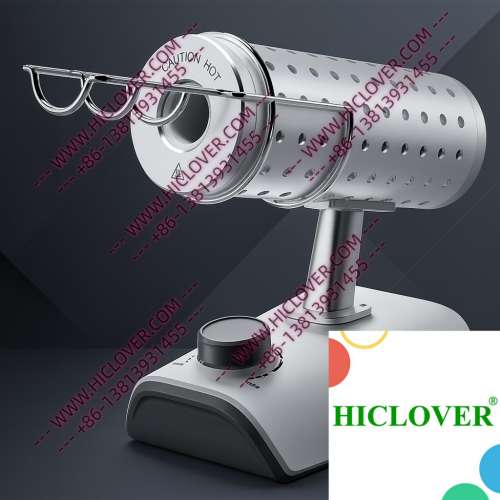
Micro Incinerators operate on the principle of rapid thermal sterilization using infrared heat. These devices boast an enclosed ceramic heating chamber which generates intense heat, effectively destroying any microbial life present on inoculating loops or other laboratory tools. Unlike traditional flame sterilizers, which can introduce aerosols and contaminations into the clean-air environment of a biosafety cabinet, the Micro Incinerator provides a clean-bench-safe solution. This technology ensures that laboratories can sterilize instruments without the hazard of an open flame, reducing the risk of respiratory irritation and fire hazards.
Real-World Applications of Micro Incinerators
The versatility of the Micro Incinerator makes it an invaluable tool across various laboratory settings. For instance, in a BSL-2 microbiology lab, researchers often work with pathogenic microorganisms requiring strict contamination control measures. The Micro Incinerator can be seamlessly integrated into the sterilization workflows within the biosafety cabinet, allowing for quick and efficient sterilization of inoculating loops while maintaining the required sterile environment.
Another practical application can be found in teaching laboratories at universities. Students can learn the important step of sterilization without the risk associated with traditional flame methods. The infrared inoculating loop sterilizer is easier to use and ensures that they practice proper biosafety without compromising on efficiency. This method not only enhances the learning experience but also instills safe practices for future professionals.
Compliance and Environmental Considerations
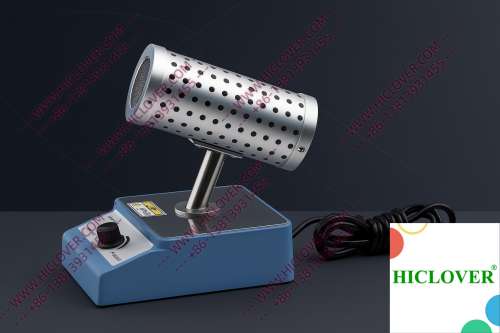
Compliance with biosafety and laboratory sterilization standards is crucial for all laboratory operations. The World Health Organization (WHO) sets guidelines to ensure safety protocols, particularly in handling biohazardous materials. Micro Incinerators guarantee adherence to these protocols while aligning with the essential standards dictated by regulatory authorities. For example, many clean rooms inherently disallow open flames, making Micro Incinerators the preferred choice for their aerosol-free handling of sterilization tasks.
Using an Infrared Inoculating Loop Sterilizer also contributes significantly to environmentally-friendly practices in laboratory settings. By minimizing risks like chemical contamination—which can occur with traditional methods—these incinerators provide a cleaner, safer, and more sustainable sterilization option.
Micro Incinerator Versus Traditional Flame Sterilizers
| Feature | Micro Incinerator | Flame Sterilizer |
|---|---|---|
| Heat Source | Infrared | Open Flame |
| Contamination Risk | Minimal | High |
| Cleanup Needed | No Residue | Soot and Residue |
| Compliance with Clean Rooms | Yes | No |
| Learning Curve | Easy to Operate | Rinse & Repeat |
Frequently Asked Questions
- What is a Micro Incinerator used for? Micro Incinerators are used for the effective sterilization of laboratory tools, particularly inoculating loops, to kill microbial life.
- How do Micro Incinerators compare to traditional sterilization methods? Compared to traditional methods, Micro Incinerators offer a safer, flame-free solution with less contamination risk and no residue.
- Are Micro Incinerators suitable for BSL-2 or BSL-3 labs? Yes, Micro Incinerators are designed to meet strict biosafety requirements, making them ideal for BSL-2 and BSL-3 laboratories.
- Can Micro Incinerators be used in education settings? Absolutely. They provide a safe and effective way for students to learn sterilization techniques without fire hazards.
Conclusion
In summary, Micro Incinerators, specifically the Infrared Inoculating Loop Sterilizer, offer a transformative approach to laboratory sterilization. By providing rapid thermal sterilization within a clean-bench-safe environment, these devices meet the rigorous demands of laboratory workflows while ensuring compliance with biosafety standards. As the shift towards a cleaner, safer future in laboratory environments continues, the adoption of Micro Incinerators is not just a choice but a necessity for responsible laboratory practices.
If you’re considering upgrading your laboratory’s sterilization equipment or adopting new biosafety protocols, reach out to us for more insights on our range of Micro Incinerators tailored to meet your needs. Don’t compromise on safety; elevate your laboratory practices today!
Categories:
Tags: