
In today’s laboratories, the challenge of maintaining biosafety while ensuring effective sterilization often presents complex demands. Traditional flame sterilizers, such as Bunsen burners and alcohol lamps, have long been used for this purpose; however, they come with significant disadvantages, including the risk of open flames and inconsistent temperature control. As laboratories evolve, particularly in BSL-2 and BSL-3 environments, there is a pressing need for advanced sterilization equipment that meets stringent biosafety compliance without sacrificing efficiency or safety.
Modern Challenges in Laboratory Sterilization
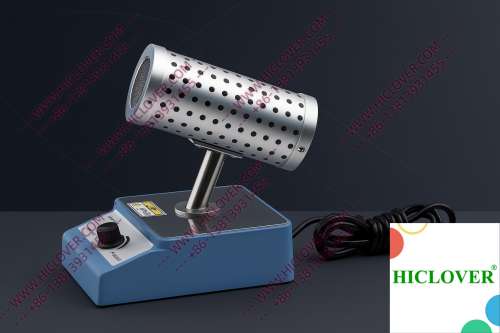
Laboratories worldwide face numerous biosafety challenges. In microbiology labs, the risk of contamination can lead to inaccurate results, threatening research integrity and clinical diagnostics. The need for reliable, rapid thermal sterilization is paramount in ensuring that inoculating loops, glassware, and other critical instruments are free from microorganisms. The introduction of advanced sterilization technologies such as the Micro Incinerator or Infrared Inoculating Loop Sterilizer offers innovative solutions to outdated practices.
Technical Principles of Micro Incinerators
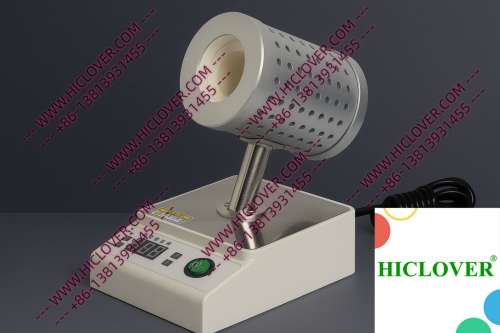
The Micro Incinerator employs infrared heat in a carefully designed enclosed ceramic heating chamber. This setup allows operators to achieve high temperatures rapidly, ensuring effective disinfection of inoculating loops, needles, and other lab instruments. Unlike traditional flame sterilizers, which rely on an open flame, the infrared technology provides an aerosol-free handling experience, minimizing risks associated with airborne contaminants.
The ceramic tube offers excellent thermal stability, and its design ensures that the heat is consistently distributed throughout the entire surface area of the instrument. This efficiency is crucial for achieving optimum sterilization in less time, maximizing workflow effectiveness in busy labs.
Application Scenarios in Modern Laboratories
Understanding the versatility and applicability of Micro Incinerators can enhance workflow in various laboratory settings. Below are two specific scenarios where this advanced equipment proves invaluable:
1. Biosafety Cabinets
In BSL-2 and BSL-3 laboratories, accommodating sensitive work within a biosafety cabinet requires equipment that doesn’t compromise safety. The Micro Incinerator fits seamlessly into these environments. With its rapid sterilization capability, it allows researchers to quickly decontaminate instruments without the distraction and danger of flames. This is particularly crucial when working with pathogens where exposure could present significant health risks.
2. Field Testing Laboratories
When conducting field tests, especially in remote locations or mobile labs, having a compact, energy-efficient sterilizer is critical. The Micro Incinerator’s design enables easy transport and operation without the need for gas or an electrical outlet. Researchers can conduct tests confidently, knowing that they can sterilize instruments on-site, ensuring no cross-contamination occurs when switching between samples.
Compliance and Environmental Considerations
Adhering to biosafety regulations is essential in laboratory operations. The World Health Organization (WHO) outlines strict guidelines for sterilization processes to prevent cross-contamination and infectious disease spread. Moreover, many laboratory sterilization standards recommend minimizing the use of open flames, especially in cleanrooms where airborne particulates could compromise sensitive assays.
Choosing a Micro Incinerator not only aligns with these best practices but also addresses environmental concerns. By reducing the dependence on flameless technologies, clean up becomes simpler, and the production of hazardous waste from alcohol-based sterilizers significantly decreases. Laboratories looking to enhance sustainability and operational safety will find that the Micro Incinerator aligns with these goals seamlessly.
Comparison: Micro Incinerator vs. Flame Burners
| Feature | Micro Incinerator | Flame Burners |
|---|---|---|
| Safety | Flameless operation, reduced risk of fire | Open flame, higher risk of accidents |
| Sterilization Time | Rapid thermal sterilization | Slower, inconsistent heating |
| Aerosol Risk | Aerosol-free handling | Potential aerosol creation |
| Energy Efficiency | Lower energy consumption | Higher energy consumption |
Frequently Asked Questions (FAQs)
- What types of laboratories benefit from using a Micro Incinerator?
Micro Incinerators are suitable for BSL-2, BSL-3, and clinical diagnostics labs where contamination control is critical. - How does the Micro Incinerator ensure consistent sterilization?
Its infrared heating technology guarantees high temperatures across the entire heating area, ensuring thorough disinfection. - Are Micro Incinerators compliant with health regulations?
Yes, they meet WHO biosafety and laboratory sterilization standards, providing a safe alternative to flame-based sterilizers. - Can Micro Incinerators be used for field testing?
Absolutely! Their compact, transportable design allows for efficient and safe use in mobile lab environments. - What are the key advantages of Micro Incinerators over traditional alcohol lamps?
They are safer, more efficient, and reduce the risk of contamination while providing rapid thermal sterilization.
Conclusion
In an age where laboratory safety and efficiency are of utmost importance, the Micro Incinerator / Infrared Inoculating Loop Sterilizer emerges as a frontrunner in waste reduction and biosafety compliance. By transitioning to this advanced sterilization solution, laboratories can enhance their workflows, ensure compliance with stringent health regulations, and minimize their environmental footprint. For high-quality Micro Incinerators suited to your laboratory’s needs, don’t hesitate to reach out for more information.
Categories:
Tags: