
In the dynamic world of laboratory practices, biosafety presents a significant challenge. Research facilities in Osaka and beyond are continually striving to meet rigorous sterilization workflow demands, particularly in environments like BSL-2/BSL-3 microbiology labs and clinical diagnostics. One of the most effective solutions for maintaining stringent contamination control is the use of advanced laboratory sterilization equipment, specifically the Micro Incinerator, also known as Infrared Inoculating Loop Sterilizers. This article will explore the technical principles behind micro incinerators, application scenarios in various labs, compliance with international biosafety standards, and their advantages over traditional flame sterilizers.
Understanding Micro Incinerators: Technical Principles
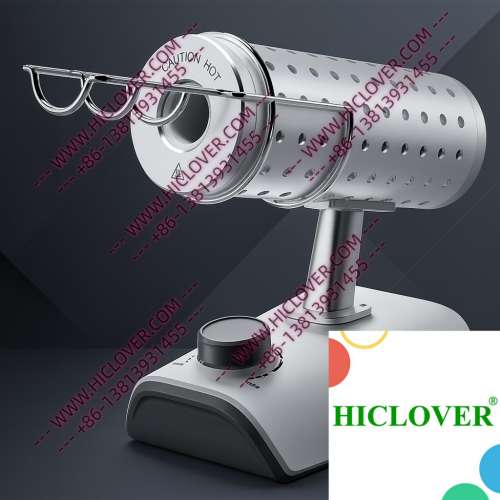
The Micro Incinerator utilizes rapid thermal sterilization through an innovative enclosed ceramic heating chamber. At its core, the device harnesses infrared heat, enabling high-temperature disinfection without the risks associated with open flames. The infrared heating technology generates a focused beam of heat that ensures the immediate sterilization of inoculating loops, needles, and other lab instruments in seconds.
One major advantage of the Micro Incinerator is its ability to deliver consistent temperature control. The compact design allows it to fit seamlessly in biosafety cabinets, providing a clean-bench-safe environment while minimizing aerosol generation. The elimination of flames in clean rooms or sterile environments significantly reduces the risks of contamination and fire hazards, making it an essential tool in modern laboratories.
Applications of Micro Incinerators in Laboratory Settings
- Biosafety Cabinets: Micro Incinerators are increasingly standard in biosafety cabinets where clean-air environments are paramount. Their rapid and flame-free sterilization process assures researchers that their instruments are free from contaminants, which is essential when handling pathogens.
- University Teaching Labs: In educational settings, the Micro Incinerator offers students a safe method to practice sterile techniques. The ease of use and adaptability make it an excellent choice for teaching laboratory protocols focused on microbiology and biotechnology.
- Field Testing Laboratories: Mobile or field testing labs greatly benefit from using Micro Incinerators as portable sterilization solutions. Their lightweight and compact design makes them easy to transport while ensuring quick sterilization of instruments needed on-site.
Compliance and Biosafety Standards
Adhering to global biosafety standards is critical for laboratories, particularly in Japan. The World Health Organization (WHO) provides guidelines that promote safety and compliance, especially in areas handling infectious materials. Micro Incinerators are engineered to comply with these standards, ensuring that they meet rigorous sterilization protocols.
Unlike traditional flame sterilizers such as alcohol lamps and Bunsen burners, micro incinerators lessen the risk of burn-related accidents and reduce harmful emissions in sensitive environments. This compliance not only enhances operational safety but also reflects a commitment to protecting public health.
Advantages of Micro Incinerators Over Traditional Flame Sterilizers
| Feature | Micro Incinerator | Flame Burners |
|---|---|---|
| Heat Source | Infrared Heated | Open Flame |
| Contamination Control | Minimal aerosol generation | Higher risk of cross-contamination |
| Safety | No open flames, reducing fire risk | Potential fire hazards |
| Temperature Control | Consistent and adjustable | Variable, user-dependent |
| Usability | Compact and portable | Less portable; requires more space |
Frequently Asked Questions
What is a Micro Incinerator?
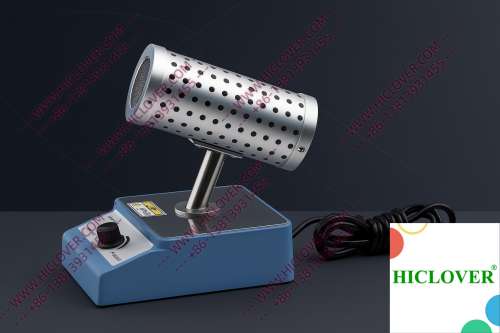
A Micro Incinerator, or Infrared Inoculating Loop Sterilizer, is a laboratory device that uses infrared heat for the rapid sterilization of various instruments, providing an efficient and flame-free solution for contamination control.
Where can I use a Micro Incinerator?
Micro Incinerators are ideal for use in biosafety cabinets, teaching labs, and even in the field for mobile testing. Their compact design makes them versatile for various laboratory conditions.
How does a Micro Incinerator compare to traditional sterilizers?
Micro Incinerators provide a safer, more efficient alternative to traditional flame sterilizers. They eliminate open flames, reduce aerosol generation, and allow for better temperature control, which enhances safety and user experience.
Are Micro Incinerators compliant with biosafety standards?
Yes, Micro Incinerators comply with various international biosafety standards, including those set forth by the World Health Organization, ensuring safe and effective sterilization practices.
Can Micro Incinerators be used in clean rooms?
Absolutely! Micro Incinerators are designed for use in clean rooms, offering clean-bench-safe sterilization without the risks associated with open flames.
Conclusion: Embrace a Safer Sterilization Future
As Osaka continues to advance as a hub for scientific research and innovation, the demand for effective sterilization solutions is only expected to grow. Micro Incinerators represent a paradigm shift in laboratory sterilization, enabling labs to maintain high biosafety standards while improving workflow efficiency. If your laboratory is looking to enhance its sterilization protocols, consider integrating a Micro Incinerator into your equipment lineup. For more information or to purchase, please contact us today!
Categories:
Tags: