
In modern laboratories, maintaining biosafety while performing sterilization tasks presents notable challenges. Equipments like alcohol lamps and Bunsen burners can introduce open flames, increasing risks of contamination and accidents. With stringent sterilization workflow demands across a variety of settings, laboratory professionals are increasingly turning to micro incinerators, specifically Infrared Inoculating Loop Sterilizers, for effective and safer sterilization solutions.
Understanding Micro Incinerators
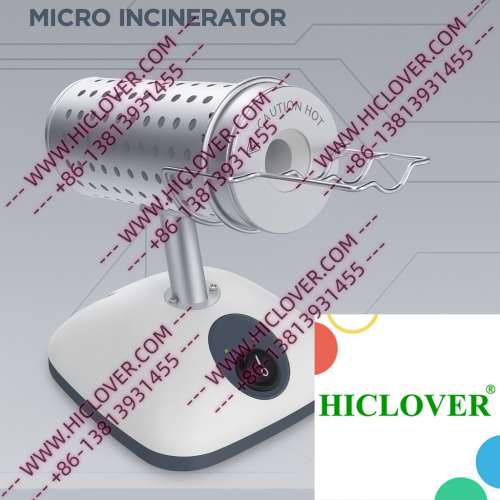
Micro incinerators utilize infrared heating technology to achieve rapid thermal sterilization. This innovative approach leverages an enclosed ceramic tube that transmits consistent heat, providing a clean-bench-safe environment that minimizes aerosols and protects the integrity of the sterile field. Unlike traditional flame sterilizers, which can pose a risk of contamination and require open flames, micro incinerators ensure a more controlled and hygienic process in laboratory settings.
Technical Principles of Infrared Sterilization
The core function of an Infrared Inoculating Loop Sterilizer lies in its ability to generate high-temperature disinfection without the use of an open flame. When the user places the inoculating loop inside the ceramic heating chamber, infrared radiation heats the loop rapidly to the required sterilization temperature, ensuring effective microbial destruction. This method not only enhances the safety of laboratory personnel but also promotes a cleaner work environment.
Application Scenarios in Real Labs
- Biosafety Cabinets: In BSL-2 or BSL-3 microbiology labs, micro incinerators are essential for sterilizing inoculating loops and tools without contaminating the surrounding environment. Their compact design fits easily within biosafety cabinets, enabling seamless workflow while adhering to biosafety protocols.
- University Teaching Labs: In academic settings, students utilize micro incinerators during microbiology and cell culture experiments. The quick-acting sterilization minimizes the time spent on preparation, allowing instructors to focus on delivering impactful educational experiences while maintaining strict laboratory safety standards.
Compliance with Biosafety and Laboratory Standards
As laboratory protocols evolve, compliance with international biosafety regulations has become increasingly important. According to the World Health Organization (WHO), laboratories must prioritize contamination control and safe sterilization techniques. The use of micro incinerators aligns well with standards aimed at addressing the challenges of flame sterilizers, particularly in clean room environments where the risk of flame-related incidents must be avoided. This apparatus qualifies under key laboratory sterilization standards that advocate for effective sterilization methods that do not compromise the biosafety of personnel or the integrity of the research being conducted.
Comparison of Micro Incinerators vs. Traditional Flame Sterilizers
| Feature | Micro Incinerator | Flame Sterilizers |
|---|---|---|
| Mechanism | Infrared heating | Open flame |
| Contamination Risk | Aerosol-free environment | Increased risk of contamination |
| Cooling Period | Rapid cooldown | Difficult to control |
| Energy Consumption | Efficient | Variable |
| Application | Lab settings, field tests | Traditional labs only |
Frequently Asked Questions
- What types of labs benefit from using a micro incinerator?
Micro incinerators are ideal for BSL-2 and BSL-3 microbiology labs, teaching environments, and mobile testing laboratories, providing a versatile sterilization solution. - How does infrared sterilization improve lab safety?
Infrared sterilization eliminates the need for open flames, reducing the risk of fire and providing an aerosol-free sterilization method that enhances safety for laboratory personnel. - Are there regulatory guidelines for lab sterilization?
Yes, facilities must comply with WHO biosafety and sterilization standards that dictate sanitization protocols to prevent contamination and ensure laboratory safety. - How does a micro incinerator enhance workflow efficiency?
The rapid thermal sterilization capabilities of micro incinerators allow for quicker preparation times and uninterrupted workflows in laboratory settings. - Can micro incinerators be used outside the lab?
Yes, they are suitable for field testing and mobile labs where accessibility to traditional flame sterilizers may be limited.
Conclusion: Embrace a Cleaner Future
The transition to using micro incinerators in laboratories not only addresses practical biosafety challenges but also aligns with sustainable practices in pharmaceutical processes. By prioritizing sterilization methods that avoid open flames, laboratories enhance safety and efficiency while adhering to compliance standards. Discover the advantages of incorporating an Infrared Inoculating Loop Sterilizer into your laboratory’s sterilization practices. For more details or to make a purchase inquiry, please contact us. Join the movement toward a cleaner, safer future in laboratory work.
Categories:
Tags: