
In the fast-paced realm of laboratory biosafety, traditional sterilization methods like alcohol lamps and Bunsen burners are increasingly viewed as outdated, posing potential hazards and workflow inefficiencies. With growing demands for contamination control and enhanced laboratory safety, the introduction of advanced sterilization equipment, specifically the Micro Incinerator / Infrared Inoculating Loop Sterilizer, offers an innovative solution designed to meet the rigorous requirements of modern Polish laboratories.
Understanding the Technical Principle: Infrared Heat Technology
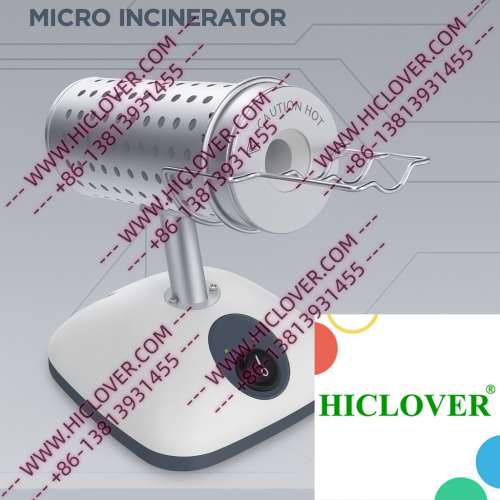
The Micro Incinerator operates on the principle of rapid thermal sterilization. Utilizing infrared heat, this device achieves high-temperature disinfection in an enclosed ceramic tube, which provides exceptional control over the sterilization process. Unlike traditional flame sterilizers, the infrared sterilizer reduces the risk of flame-related hazards, making it ideally suited for clean environments.
- Enclosed Ceramic Heating Chamber: This design not only enhances safety but also ensures that the heating element is protected from external contaminants.
- High-Temperature Efficiency: The device reaches operational temperatures of up to 850°C within seconds, ensuring swift and thorough disinfection of inoculating loops and other laboratory tools.
- Aerosol-Free Handling: The design minimizes the generation of aerosols, making it a clean-bench-safe solution for various applications.
Application Scenarios in Real Labs
Micro Incinerators find value in diverse settings, ensuring compliance with WHO biosafety standards and enhancing laboratory workflow.
1. Biosafety Cabinets
In BSL-2 and BSL-3 microbiology labs, the Micro Incinerator is invaluable for sterilizing tools within biosafety cabinets. Its compact design allows for easy integration into existing workspaces, significantly reducing contamination risks while maintaining sterile conditions. Laboratory staff can confidently use inoculating loops to transfer cultures, knowing that the sterilization process is not only efficient but also minimizes the potential for flame incidents within the cabinet.
2. Teaching Labs
University teaching labs often deal with a mix of inexperienced users and sensitive biological materials. Here, the Micro Incinerator serves as an educational tool, demonstrating the principles of thermal sterilization without the dangers associated with open flames. Students learn proper sterile techniques while benefiting from the clean and safe environment that the infrared sterilizer creates. This proactive approach not only enhances safety but also instills critical lab skills in the next generation of scientists.
Compliance and Environmental Considerations
As laboratory safety regulations tighten globally, adherence to biosafety standards becomes paramount. The Micro Incinerator aligns with WHO biosafety guidelines and laboratory sterilization standards, providing an eco-friendly alternative to traditional methods. Fire safety features are crucial, especially in clean rooms where open flames are prohibited. By eliminating open flames, laboratories can mitigate the risk of fire hazards, leading to a safer overall environment.
Comparison: Micro Incinerator vs. Traditional Flame Sterilizers
| Feature | Micro Incinerator | Flame Sterilization (Alcohol Lamps/Bunsen Burners) |
|---|---|---|
| Operational Safety | No open flames; aerosol-free | Open flames; risk of burns and fire |
| Heating Time | Seconds to reach 850°C | Variable; requires maneuvering to ignite |
| Maintenance | Low | Regular cleaning required |
| Size & Portability | Compact and lightweight | Can be bulky; not easily portable |
| Energy Efficiency | Low energy consumption | Variable; dependent on fuel type |
FAQs About Micro Incinerators
- What types of materials can be sterilized using a Micro Incinerator?
Micro Incinerators are designed for laboratory instruments such as inoculating loops, needles, and glassware. - How does the Micro Incinerator differ from autoclaving?
While both methods are effective for sterilization, the Micro Incinerator utilizes rapid thermal heat, while autoclaving employs steam under pressure, making each suitable for different applications. - Can the Micro Incinerator operate in confined spaces like biosafety cabinets?
Yes, its compact design and flame-free technology make it ideal for use in confined spaces. - Is the Micro Incinerator compliant with international safety standards?
Yes, it complies with WHO biosafety guidelines and many national sterilization standards, making it a trusted choice for laboratories. - How can educational institutions benefit from using a Micro Incinerator?
Teaching laboratories can utilize these devices to safely demonstrate sterilization principles, allowing students to practice required skills without the risks associated with open flames.
Conclusion: Embracing Modern Sterilization for a Safer Future
As Polish cities continue to evolve towards cleaner, safer laboratory environments, the Micro Incinerator emerges as a pivotal tool in the fight against contamination and biosafety hazards. Its advantages over traditional flame sterilizers—enhanced safety, operational efficiency, and compliance with modern regulations—make it an essential investment for laboratories across various sectors.
For more information on the Micro Incinerator and to explore purchase options tailored to your needs, feel free to contact us. Your commitment to a cleaner tomorrow starts with intelligent, safe lab solutions.
Categories:
Tags: