
Laboratory biosafety is a growing concern in today’s research environments, particularly in developing countries like Ghana. As institutions and labs evolve to meet the stringent demands of modern science, effective sterilization methods become pivotal in ensuring cleanliness and safety. Treating waste responsibly and effectively managing contamination risks are instrumental components that contribute to a lab’s success and reliability.
The Micro Incinerator: A Leap in Laboratory Sterilization
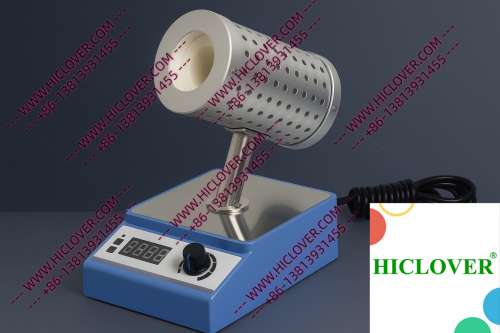
The Micro Incinerator, also known as the Infrared Inoculating Loop Sterilizer, employs cutting-edge infrared heat technology to achieve rapid thermal sterilization, eliminating the risk of contamination. Unlike traditional flame-based methods such as alcohol lamps or Bunsen burners, which can compromise clean bench protocols due to open flames and generating aerosols, micro incinerators provide a clean, enclosed ceramic heating chamber for safe, efficient disinfection. This device reaches high temperatures quickly, ensuring that prepared tools and instruments are effectively sterilized without leaving harmful residue or toxic fumes.
Applications of Micro Incinerators in Laboratory Environments
1. Teaching Labs
In university teaching labs, where students learn the basics of microbiology, the Micro Incinerator stands out for its safety features and ease of use. For instance, during inoculation exercises, students can easily sterilize their loops without the risks associated with flames, consolidating a focus on precision and control. Moreover, this technology prepares students for the industry-standard sterilization techniques they may encounter in their future careers.
2. BSL-2 / BSL-3 Microbiology Labs
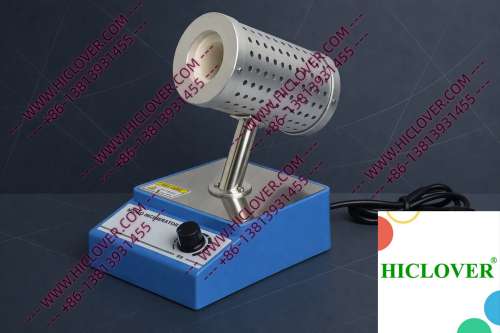
For advanced research in BSL-2 and BSL-3 labs where biohazardous materials are handled, the Micro Incinerator serves an essential role. In these settings, there is a dire need for effective contamination control; using a flame within a biosafety cabinet can compromise sterile environments. The enclosed design of the Micro Incinerator permits safe, aerosol-free handling of inoculating loops and other sterilized equipment under clean conditions.
Regulatory Compliance and Environmental Impact in Waste Management
Compliance with established biosafety standards, such as those from the World Health Organization (WHO), is crucial when operating any laboratory. The Micro Incinerator not only meets these stringent regulations but actively promotes environmental sustainability through responsible waste handling. By minimizing open flames and employing high-temperature disinfection methods, it significantly reduces the risk of airborne pathogens while lessening the environmental footprint associated with waste disposal and sterilization.
- WHO Standards: Adhering to global biosafety protocols.
- No Flame in Clean Rooms: Eliminating combustion by-products and ensuring sterile environments.
- Low Environmental Impact: Work towards ecological sustainability.
Benefits Over Traditional Flame Sterilizers
When comparing a Micro Incinerator to traditional flame sterilizers, the advantages are clear:
| Feature | Micro Incinerator | Flame Sterilizers |
|---|---|---|
| Safety | Enclosed, no open flame | Open flame, potential fire hazards |
| Efficiency | Rapid thermal sterilization | Slower, requires fuel |
| Versatility | Works in various settings | Limited by flame safety |
| Aerosol Generation | Aerosol-free | High potential for aerosol generation |
Frequently Asked Questions
What environments are best suited for a Micro Incinerator?
The Micro Incinerator is ideal for clinical diagnostics, teaching labs, and specialized research environments, such as BSL-2 and BSL-3 labs.
How does infrared sterilization compare to traditional methods?
Infrared sterilization is faster and safer since it avoids the risks associated with flames and the release of harmful gases.
Are there any maintenance requirements for a Micro Incinerator?
Maintenance is minimal, focusing primarily on cleaning the ceramic tube and ensuring it remains free of contaminants.
Can it be used in field testing environments?
Absolutely, the compact design makes it very useful for mobile or field testing labs where access to traditional sterilization tools may be limited.
Conclusion: Embrace the Future of Laboratory Sterilization
As Ghana’s laboratories adapt to meet contemporary scientific challenges, adopting advanced sterilization solutions like the Micro Incinerator is not just an option but a necessity. This innovation not only enhances biosafety and compliance but also ensures sustainable waste management practices, thus contributing to a cleaner tomorrow. For those looking to invest in superior laboratory sterilization equipment, we invite you to explore our range of Micro Incinerators or contact us for further insights and purchasing options.
Categories:
Tags: