
In today’s fast-paced laboratory environments, achieving biosafety and contamination control is more critical than ever. As laboratories across the globe—from university teaching labs to BSL-2 and BSL-3 microbiology facilities—seek innovative solutions for sterilization, the demand for reliable laboratory sterilization equipment has surged. Among the cutting-edge advancements in this area are touchless micro incinerators, specifically the infrared inoculating loop sterilizers, which are poised to transform sterilization workflows dramatically.
Understanding the Technical Principles
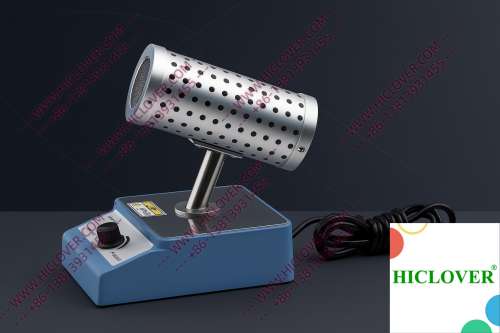
The core principle behind the micro incinerator or infrared inoculating loop sterilizer lies in its ability to deliver rapid thermal sterilization without the hazards associated with traditional flame-based methods. Utilizing infrared heating, these devices employ an enclosed ceramic heating chamber that reaches high temperatures swiftly, ensuring that all microbial life is effectively eradicated in seconds. Unlike alcohol lamps or Bunsen burners, which can produce aerosols and pose contamination risks, micro incinerators offer clean-bench-safe operations, enhancing both safety and efficiency in the lab.
- Infrared Heat: Provides an environmentally friendly and flame-free sterilization method.
- Enclosed Ceramic Tube: Ensures that heated tools can be sterilized without creating hazardous aerosols.
- Touchless Operation: Users can operate the device without contact, minimizing cross-contamination risks.
- Rapid Response: Less than a minute to achieve sterilization, accelerating workflow.
- Absence of flame in clean rooms to prevent contamination
- Effective disinfection of loops and other tools to meet BSL-3 standards
- Minimized aerosol generation to protect both personnel and the environment
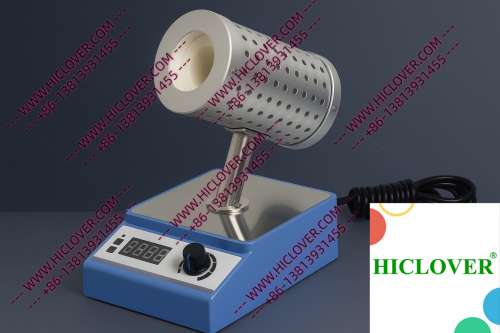
Real-World Applications in Laboratory Settings
Various laboratory scenarios benefit immensely from the integration of micro incinerators into their sterilization protocols. Here are two distinct application scenarios that illustrate the versatility and effectiveness of these devices:
1. In University Teaching Labs
In a typical microbiology course, students often work with inoculating loops to transfer bacterial samples. The rapid sterilization capabilities of a micro incinerator allow students to efficiently sterilize their instruments between uses, thus maintaining the integrity of their experiments. In scenes where time is of the essence, such as during practical assessments, the use of an infrared inoculating loop sterilizer enables students to focus more on their experiments and less on managing flames, thereby enhancing the educational experience.
2. In Mobile and Field Testing Labs
When conducting research in remote locations, laboratory technicians face the challenge of carrying portable sterilization equipment. In such environments, traditional flame burners may not be practical due to safety concerns and resource limitations. Micro incinerators meet this demand with their lightweight design and battery-operated variants, providing speedy, reliable sterilization of tools under even the most challenging conditions. This capability plays a significant role in maintaining biosafety compliance while working with possibly pathogenic samples.
Compliance and Environmental Considerations
Ensuring compliance with biosafety standards is vital for any laboratory involved in microbiological research or clinical diagnostics. According to the World Health Organization (WHO), laboratory facilities must adhere to stringent sterilization standards to mitigate contamination risks effectively. Micro incinerators align seamlessly with these standards, providing a flame-free solution that avoids the potential hazards associated with flame-based sterilization. Some of the key compliance requirements addressed by micro incinerators include:
The shift toward infrared sterilization methods also coincides with a sustainable approach to laboratory practices, as it reduces the need for chemical sterilants and open flames, promoting a cleaner working environment.
Advantages Over Traditional Flame Sterilizers
When evaluating sterilization methods, it’s clear that micro incinerators offer substantial advantages compared to traditional flame sterilizers. Below is a comparison table highlighting these differences:
| Feature | Micro Incinerator | Flame Sterilizer |
|---|---|---|
| Risk of Contamination | Low | High |
| Ease of Use | Touchless, straightforward | Requires careful handling |
| Response Time | Immediate | Variable |
| Environmental Impact | Minimal | Potentially hazardous fumes |
Frequently Asked Questions (FAQs)
1. What is a micro incinerator used for in laboratories?
A micro incinerator is primarily used for the rapid sterilization of inoculating loops, needles, and other small instruments to ensure an aerosol-free and contamination-controlled environment.
2. How does an infrared inoculating loop sterilizer work?
It employs infrared heat to raise the temperature of tools rapidly, allowing for effective sterilization in just a few seconds without the risks associated with flames.
3. Can micro incinerators be used in clean rooms?
Yes, they are designed for clean environments and comply with biosafety standards, maintaining a flame-free operation to prevent contamination.
4. What maintenance is required for micro incinerators?
Micro incinerators require minimal maintenance, primarily ensuring that the ceramic heating element remains clean and functional for optimal performance.
5. Are there specific models for field applications?
Yes, many manufacturers offer portable models that are lightweight and battery-operated, making them suitable for mobile field testing labs.
Conclusion
The evolution of laboratory sterilization methods is vital for maintaining biosafety and improving workflows across various scientific settings. By opting for touchless micro incinerators, research centers, hospitals, and educational institutions can not only streamline their sterilization processes but also align with modern biosafety guidelines. If you are interested in upgrading your laboratory sterilization equipment, consider contacting us to learn more about our high-quality Micro Incinerator solutions that align with your needs.
Categories:
Tags: