
In the realm of laboratory biosafety, the meticulous nature of sterilization demands innovation and efficacy. Traditional methods, such as alcohol lamps and Bunsen burners, may have served laboratories for decades, but they come with limitations that can pose risks. The modern laboratory environment requires equipment that not only meets stringent safety standards but also minimizes contamination and supports workflow efficiency. Enter the Micro Incinerator / Infrared Inoculating Loop Sterilizer, a game-changer in laboratory sterilization.
Understanding the Technical Principle of Micro Incinerators
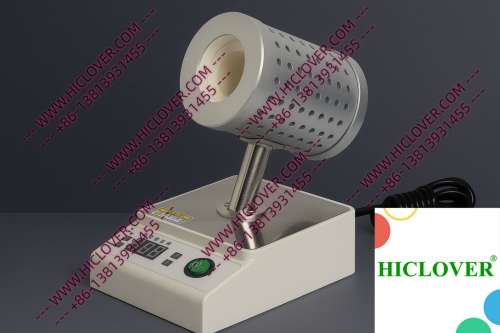
The Micro Incinerator operates on the principle of rapid thermal sterilization through infrared heat. This mechanism utilizes a ceramic heating chamber that reaches high temperatures, allowing for effective sterilization without the use of open flames. The enclosed design of the ceramic tube ensures that the heating element is protected, preventing any risk of exposure to open flames which can be hazardous in cleanroom environments. This infrared high-temperature disinfection technology emits heat uniformly, ensuring thorough sterilization of inoculating loops and other instruments that require decontamination.
Improved Environmental Impact and Biosafety Compliance
Micro Incinerators represent a significant advancement in compliance with global biosafety standards set forth by organizations such as the WHO. Unlike traditional flame-based sterilizing methods, these devices facilitate aerosol-free handling, which is crucial in environments aimed at minimizing contamination risk. Moreover, laboratories operating within clean bench systems can confidently use micro incinerators since they eliminate the fire hazards commonly associated with flames.
Application Scenarios in Real Labs
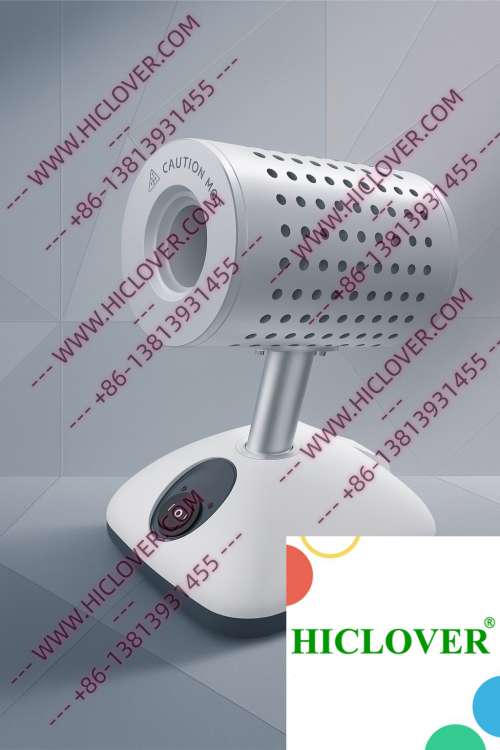
- Biosafety Cabinets: In BSL-2 and BSL-3 microbiology labs, micro incinerators are instrumental in maintaining infection control while working with pathogens. The compact design fits seamlessly inside standard biosafety cabinets, offering users a safe method for sterilizing loop instruments without exposing the workspace to potential contaminants.
- University Teaching Labs: In educational settings, students and instructors benefit from the safety and simplicity of infrared inoculating loop sterilizers. The effectiveness of immediate sterilization devoid of fumes or flames allows for more efficient learning experiences related to microbiological techniques.
Comparison: Micro Incinerator vs. Traditional Flame Sterilizers
| Feature | Micro Incinerator | Flame Sterilizers |
|---|---|---|
| Safety | No open flames; minimal risks | Open flames; higher risk of burns and contamination |
| Efficiency | Rapid thermal sterilization in seconds | Time-consuming; requires constant monitoring |
| Environmental Impact | Lower emissions; eco-friendly | Higher emissions; less eco-friendly |
| Ease of Use | Compact and easy to setup | Requires more setup and safety precautions |
Compliance Standards and Environmental Considerations
The significance of using the Micro Incinerator extends beyond practical usability; it aligns with environmental initiatives focused on reducing laboratory waste and emissions. Laboratories must adhere to a variety of compliance checks, including the ISO 15189 standards for medical laboratories and local regulations that mandate sterile environments for clinical diagnostics. By switching from traditional flame sterilizers to a Micro Incinerator, laboratories can not only achieve compliance but also demonstrate a commitment to a cleaner environment.
Regional Considerations
Specific regions, particularly in the EU, have begun to adopt stricter regulations surrounding laboratory sterilization processes. Countries such as Germany and France promote the use of energy-efficient devices in laboratories to meet sustainability targets. Moreover, in urban areas like London and New York, implementing low-emission sterilization technologies is integral to public health strategies, ensuring safer work environments for scientists and technicians alike.
FAQs
- What are the advantages of using a Micro Incinerator over traditional flames?
The Micro Incinerator offers enhanced safety, efficiency, and environmental friendliness without the risks associated with open flames. - Can Micro Incinerators be used in BSL-3 labs?
Yes, they are ideal for BSL-2 and BSL-3 labs due to their aerosol-free operation and high-level sterilization capabilities. - How does the infrared technology work?
Infrared technology generates rapid heat that effectively sterilizes instruments by eliminating microbial life without the hazards of combustion. - Are Micro Incinerators compliant with WHO standards?
Yes, they meet WHO biosafety requirements, making them suitable for clinical and research applications. - What is the expected life span of a Micro Incinerator?
With regular maintenance, a Micro Incinerator can last for several years, making it a reliable long-term investment.
Conclusion
In conclusion, the Micro Incinerator represents a forward-thinking choice for laboratories seeking more effective, environmentally friendly mean for sterilizing instruments. Its rapid thermal sterilization capabilities, adherence to biosafety compliance, and enhanced workflow efficiency makes it an essential addition to any lab—from university teaching facilities to advanced research centers. Investing in a Micro Incinerator not only improves laboratory practices but also contributes to a healthier planet. For more information or to make a purchase, please contact us today.
Categories:
Tags: