
In today’s fast-paced biomedical and life sciences research environments, maintaining strict biosafety protocols is essential. Laboratories face numerous challenges, such as preventing contamination, ensuring equipment sterilization, and streamlining workflows. Traditional flame sterilizers, while effective, can pose risks in terms of aerosol generation, heat exposure, and are not suitable for clean-room environments. This has led to a growing interest in more efficient solutions like the Micro Incinerator or Infrared Inoculating Loop Sterilizer, which provides rapid thermal sterilization without the hazards associated with flames.
Technical Principles and Product Configuration
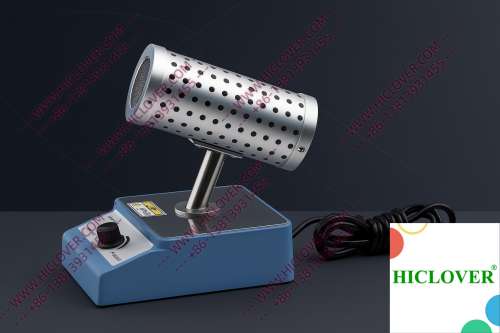
The Micro Incinerator operates on the principle of infrared high-temperature disinfection. Its ceramic heating chamber rapidly reaches sterilization temperatures, typically around 900°C or more, ensuring effective pathogen eradication without the use of open flames. The enclosed ceramic tube design allows for concentrated heat application, creating a safe and controlled environment for sterilizing inoculating loops and other laboratory tools.
Unlike traditional alcohol lamps or Bunsen burners, which can create a risk of fire and produce harmful aerosols, the infrared sterilizer provides a clean-bench-safe environment for sterilization. This is particularly important in laboratories where air quality is crucial, such as BSL-2 or BSL-3 microbiology labs, clinical diagnostics facilities, or mobile and field testing settings.
Advantages Over Traditional Flame Sterilizers
- Rapid Sterilization: The Micro Incinerator achieves sterilization in mere seconds, far surpassing the time required by flame sterilizers.
- Aerosol-Free Operation: Reduces the risk of aerosol contamination present with open flames.
- Cleanroom Compatibility: Ideal for use in cleanrooms where open flames are prohibited.
- Consistent Heat Distribution: Ensures uniform sterilization without the risk of overheating and damaging instruments.
- Energy Efficient: Consumes less energy compared to continuous flame sterilizers.
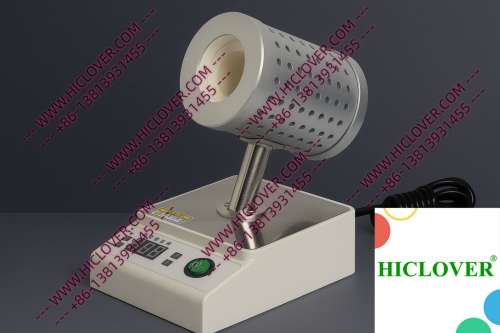
Application Scenarios in Laboratory Settings
1. **Biosafety Cabinets:** Within a biosafety cabinet, the Micro Incinerator provides a compact and safe solution for sterilizing inoculating loops without compromising the sterile environment. Researchers can carry out their work confidently, maintaining the integrity of samples while adhering to strict biosafety standards.
2. **Field Testing:** In scenarios where rapid sterilization is needed on-site, such as field testing of microbial samples, the portability and efficiency of the Micro Incinerator make it an invaluable tool. Its compact design allows for easy transport without sacrificing functionality, enabling researchers to execute sterile techniques in remote locations.
Compliance and Environmental Considerations
Adherence to safety standards is critical in laboratory operations. The WHO provides stringent biosafety guidelines, particularly for laboratories working with infectious agents. The use of flame sterilizers is often discouraged in environments needing stringent contamination control, such as clinical diagnostics or educational institutions. The Micro Incinerator’s design supports compliance with these important guidelines by eliminating the fire hazards associated with open flames.
Moreover, regulations concerning sterilization standards, such as those outlined by the CDC and ISO, provide benchmarks for laboratories. Utilizing an infrared sterilizer allows labs to maintain high standards for microbial safety, ensuring that sterilization processes align with best practices while fostering a safer working atmosphere.
Conclusion: Transforming Laboratory Sterilization
As the focus on laboratory safety and efficiency becomes increasingly vital, compact laboratory sterilizers such as the Micro Incinerator offer an advanced solution tailored to meet modern demands. They not only improve operational workflows but also fulfill essential compliance requirements, making them a preferred choice over traditional flame sterilizers.
If you’re looking to enhance your laboratory’s safety and sterilization protocols, consider investing in a Micro Incinerator today. To learn more or place an order, please contact us for assistance.
Frequently Asked Questions
What is the difference between a Micro Incinerator and a traditional flame sterilizer?
The Micro Incinerator uses infrared heat for rapid sterilization, whereas traditional flame sterilizers create an open flame which can pose contamination and fire risks.
Can the Micro Incinerator be used in cleanrooms?
Yes, the Micro Incinerator is clean-bench-safe and is ideally suited for use in cleanrooms where open flames are prohibited.
How long does it take to sterilize tools with a Micro Incinerator?
The Micro Incinerator can sterilize tools in just seconds, ensuring efficient workflow and rapid turnaround times for laboratory processes.
Is the Micro Incinerator energy efficient?
Yes, it is designed to consume less energy compared to continuous flame sterilizers, making it a cost-effective option for laboratory use.
What types of laboratories benefit the most from using a Micro Incinerator?
Biosafety level 2 and 3 laboratories, clinical diagnostics facilities, teaching labs, and mobile testing operations can significantly benefit from the convenience and safety of a Micro Incinerator.
Categories:
Tags: