
In the ever-evolving world of laboratory work, biosafety challenges persist, compelling researchers to adapt and innovate. Essential to a sterile workflow, laboratory sterilization equipment is paramount to maintaining contamination control, especially in sensitive environments like BSL-2 and BSL-3 microbiology labs. Among the innovative solutions on the market, the Micro Incinerator or Infrared Inoculating Loop Sterilizer stands out as a non-flame alternative that offers numerous benefits over traditional sterilizing methods.
Understanding the Technology Behind Infrared Sterilizers
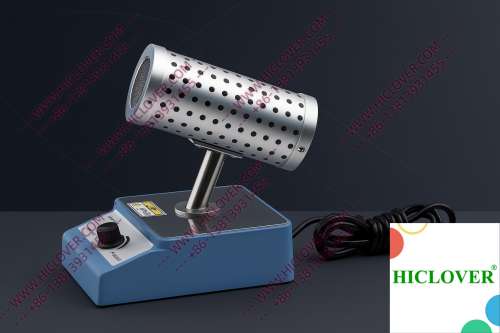
The Micro Incinerator operates using advanced infrared technology, which employs a ceramic heating chamber to produce rapid thermal sterilization. Unlike traditional methods that rely on open flames, such as alcohol lamps and Bunsen burners, infrared sterilizers provide a clean and efficient way to disinfect inoculating loops and other equipment. The enclosed ceramic tube radiates high temperatures, ensuring thorough sterilization while minimizing the risk of contamination. With a temperature range that typically exceeds 800°C (1472°F), this technology guarantees effective disinfection in seconds.
Applications in Real-World Laboratory Settings
Infrared loop sterilizers find extensive use across various laboratory settings, where rapid sterilization and reduced contamination risks are critical. Here are two notable application scenarios:
- Field Testing: In mobile laboratories deployed for field testing, the portability of infrared inoculating loop sterilizers provides a reliable means to maintain sterilization standards without the need for gas sources or open flames. Researchers can safely handle samples without introducing cross-contamination.
- Teaching Labs: University laboratories harness infrared sterilizers in training environments. Educators utilize these devices to provide students with a modern approach to biosafety and sterilization techniques, emphasizing the importance of safe practices in clinical diagnostics.
- Controlled heat without combustion
- Reduced aerosol production during sterilization
- Enhanced ease of use in sensitive environments like CO₂ incubators or anaerobic chambers
Compliance and Environmental Considerations
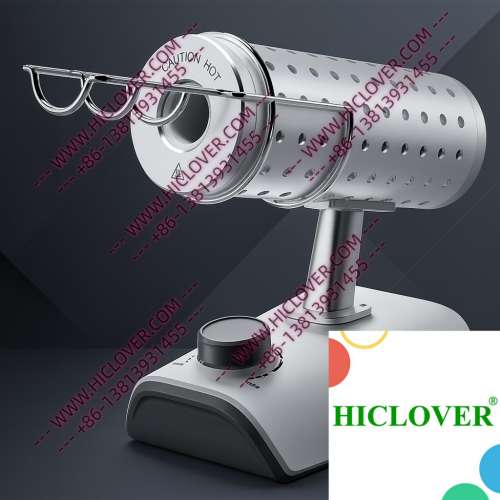
In today’s scientific landscape, adherence to biosafety standards, such as those set forth by the World Health Organization (WHO), is vital. Traditional flame sterilizers, while effective, can pose safety risks, particularly in cleanrooms or biosafety cabinets where open flames are prohibited due to fire hazards and potential contamination risks. Infrared sterilizers excel in this domain, as they provide:
By utilizing infrared sterilization technology, laboratories can align with global biosafety compliance measures while promoting a safer working environment.
Comparing the Micro Incinerator with Traditional Flame Burners
| Feature | Micro Incinerator | Traditional Flame Burners |
|---|---|---|
| Temperature Control | Precise high-temperature | Variable and often uncontrolled |
| Risk of Contamination | Minimal, enclosed system | Higher due to external flame interaction |
| Safety | No open flames; clean-bench safe | Potential fire hazards |
| Speed | Rapid thermal disinfection | Variable, slower to heat |
| Portability | Lightweight and mobile | Less portable, requires gas connections |
Frequently Asked Questions
1. How does an infrared inoculating loop sterilizer work?
The sterilizer employs infrared heat generated in an enclosed ceramic tube, achieving high temperatures that effectively disinfect inoculating loops in seconds.
2. Is the Micro Incinerator suitable for all lab environments?
Yes, its design and operational safety make it ideal for various laboratory settings, including BSL-2, BSL-3, field testing, and teaching labs.
3. What are the safety advantages of using this technology?
Infrared loop sterilizers eliminate the risks associated with open flames, ensuring clean usage in environments where safety is paramount.
4. Can the Micro Incinerator be used in biosafety cabinets?
Absolutely! It is designed for safe use within biosafety cabinets, providing a flame-free method for sterilization.
5. How do infrared sterilizers improve workflow efficiency?
By providing rapid sterilization in seconds and reducing the risk of contamination, infrared loop sterilizers enhance overall laboratory efficiency and safety.
Conclusion: Embrace Modern Sterilization Solutions
The evolution of laboratory sterilization equipment, such as the Micro Incinerator / Infrared Inoculating Loop Sterilizer, reflects the essential improvements needed in contemporary laboratories facing rigorous biosafety challenges. By opting for infrared technology, laboratories can enhance their practices while ensuring compliance with global safety standards. If you’re looking to transform your laboratory’s sterilization workflow, feel free to reach out for more information or inquire about purchasing options today!
Categories:
Tags: