
In the dynamic world of dental practices in Japan, maintaining a sterile environment is paramount for ensuring patient safety and compliance with stringent biosafety standards. As dental laboratories face ever-increasing challenges surrounding contamination control and sterilization workflows, innovative solutions such as the Micro Incinerator, or Infrared Inoculating Loop Sterilizer, are becoming essential tools in modern dental hygiene practices.
Challenges in Laboratory Biosafety and Sterilization Workflows
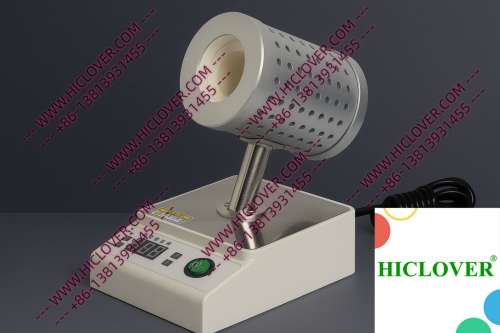
Laboratories dealing with dental samples encounter a multitude of biosafety challenges. From risk of cross-contamination among samples to the need for rapid thermal sterilization processes, the demands are high. Additionally, traditional flame-based sterilizers, such as alcohol lamps and Bunsen burners, pose numerous risks—particularly in clean environments where controlling airborne contaminants is key.
Technical Principles of Infrared Loop Sterilizers
The Micro Incinerator operates on the principle of infrared heat, utilizing an enclosed ceramic tube that reaches high temperatures quickly and efficiently. This innovative design allows for sterilization without open flames, ensuring an aerosol-free handling of instruments, which is crucial for maintaining clean environments in dental labs. Unlike traditional flame sterilizers, the infrared loop sterilizer achieves rapid thermal sterilization in seconds, thereby significantly reducing waiting times during critical workflows.
Applications of Micro Incinerators in Dental Laboratories
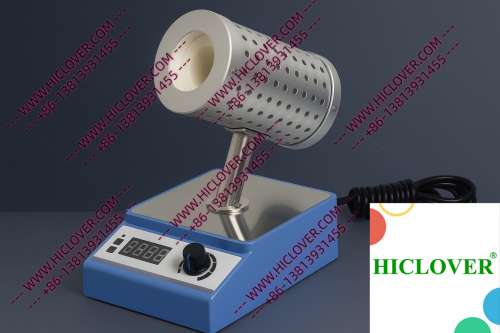
Micro Incinerators find versatile applications in various settings within dental laboratories:
- Biosafety Cabinet: In a BSL-2 microbiology lab, the use of Micro Incinerators ensures the sterilization of inoculation loops while reducing the risk of airborne pathogens escaping into the environment. Their compact design allows them to fit within laminar flow hoods, integrating seamlessly into existing workflows.
- Teaching Labs: In university teaching labs, students can learn the principles of aseptic techniques without the hazards associated with flame sterilization. The infrared design provides a practical, safe alternative for educational settings where demonstrations of sterility are essential.
Compliance with Biosafety Standards
Adhering to biosafety regulations is crucial for any laboratory, especially in the handling of biological materials. Laboratories must conform to guidelines set forth by organizations like the World Health Organization (WHO) to ensure proper sterilization practices. While traditional flame sterilizers can produce environmental contaminants, the Micro Incinerator operates cleanly, making it suitable for cleanrooms and areas where contaminant exposure must be minimized. The absence of open flames also removes fire hazards, aligning with BSL-3 containment requirements.
Micro Incinerator vs. Traditional Flame Sterilizers
| Features | Micro Incinerator | Flame Sterilizers |
|---|---|---|
| Rapid Thermal Sterilization | Yes | No |
| Open Flame | No | Yes |
| Aerosol-Free Manipulation | Yes | No |
| Ease of Use | User-friendly design | Manual control required |
| Compliance with Cleanroom Standards | Yes | Limited |
Frequently Asked Questions
- What is an infrared inoculating loop sterilizer? An infrared inoculating loop sterilizer is a device that uses infrared heat to rapidly sterilize loop instruments without the use of an open flame.
- How does a Micro Incinerator improve laboratory workflows? The Micro Incinerator streamlines workflows by reducing sterilization times and minimizing contamination risks associated with traditional flame sterilizers.
- Can the Micro Incinerator be used in BSL-3 labs? Yes, its design and functionality align well with BSL-3 biosafety requirements, enhancing laboratory safety while ensuring effective sterilization.
- What safety measures does the Micro Incinerator provide? Its closed ceramic heating chamber allows for safe operation, eliminating the risk of fire hazards and reducing airborne contaminants.
- How long does it take to sterilize using an infrared loop sterilizer? The sterilization process typically takes only seconds, drastically improving efficiency compared to traditional methods.
Conclusion
In the pursuit of excellence in dental practice, the Micro Incinerator or Infrared Inoculating Loop Sterilizer serves as an invaluable tool for enhancing sterility and ensuring compliance with biosafety regulations. By transitioning to this innovative sterilization technology, dental laboratories not only protect their patients but also streamline their workflows. For those interested in elevating their sterilization practices and ensuring an optimal environment for patient care, it’s time to explore the advantages of Micro Incinerators. Reach out today to learn more about our products and how they can enhance your laboratory’s operation.
Categories:
Tags: