
In today’s fast-paced laboratory environment, particularly in dental practices, biosafety challenges and workflow demands shape the need for efficient sterilization solutions. Maintaining sterile instruments is crucial for preventing contamination and ensuring patient safety. One innovation making waves in this space is the Micro Incinerator / Infrared Inoculating Loop Sterilizer. This equipment not only meets rigorous sterilization standards but enhances workflow efficiency, proving particularly beneficial in diverse settings.
Technical Principles Behind Infrared Loop Sterilizers
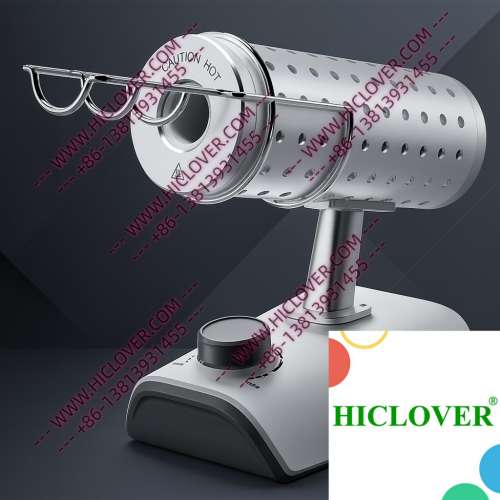
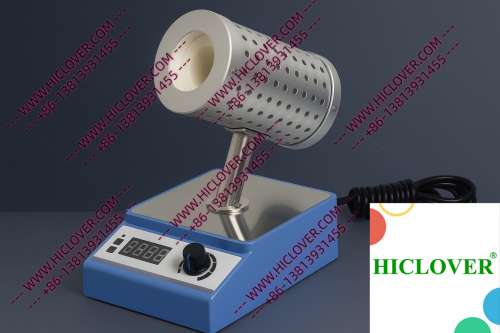
At the heart of the Micro Incinerator lies its advanced infrared heating technology. Unlike traditional flame sterilizers, such as alcohol lamps or Bunsen burners, which pose risks of cross-contamination and require extensive handling precautions, the Micro Incinerator uses a ceramic heating chamber that quickly reaches high temperatures for effective disinfection. The design isolates the heat source within an enclosed ceramic tube, which eliminates the risks associated with open flames, providing a clean-bench-safe option for sterile procedures.
This thermal sterilization process is rapid, achieving effective results in a matter of seconds. As a result, dental professionals and laboratory technicians experience minimal downtime between sterilization cycles, enhancing overall workflow and efficiency.
Applications of Loop Sterilizers in Real Laboratories
- Biosafety Cabinets: In BSL-2 and BSL-3 microbiology labs, the Micro Incinerator is an essential tool for maintaining individual safety while working with pathogenic organisms. It allows for quick sterilization of inoculating loops and other tools, minimizing the risk of contamination and ensuring compliance with stringent laboratory protocols.
- Field Testing: Mobile or field testing labs often require compact and portable sterilization solutions. The infrared inoculating loop sterilizer’s lightweight design makes it ideal for environments where conventional sterilization tools cannot be easily transported, allowing for effective and rapid sterilization in the field.
- Safety: The absence of an open flame reduces the risk of fire hazards and contamination, particularly important in clinical settings.
- Speed: Rapid thermal sterilization translates to reduced wait times, crucial for maintaining workflow in busy dental practices.
- Contamination Control: Closed ceramic designs minimize the potential for airborne contaminants, ensuring cleaner working environments.
- Easier Handling: The streamlined operation of infrared sterilizers avoids the mess associated with alcohol lamps, making it a more user-friendly option.
- What is the primary use of the Micro Incinerator? The Micro Incinerator is primarily used for rapid sterilization of inoculating loops and other small laboratory instruments.
- Can the Micro Incinerator replace traditional flame sterilizers? Yes, it provides a safer, faster, and more reliable alternative, making it ideal for modern laboratory practices.
- How does it comply with biosafety standards? It adheres to WHO safety guidelines by providing a sterilization method that eliminates open flames and reduces aerosol risks.
- Is it suitable for field work? Absolutely, its portable design makes it perfect for use in field testing labs and mobile setups.
- What maintenance is required? Regular cleaning of the ceramic tube and ensuring proper electrical connections will maintain optimal performance.
Compliance and Environmental Considerations
Adhering to international biosafety guidelines is vital for all laboratory operations. The Micro Incinerator aligns well with WHO biosafety standards, which advocate for efficient sterilization practices to ensure worker safety and prevent biohazard exposure. Furthermore, it meets protocols that prohibit open flames in cleanroom environments, thereby reducing the risk of aerosol contamination.
Numerous agencies stipulate clear lab sterilization standards that the Micro Incinerator adheres to, ultimately leading to increased confidence in sterilization methods among dental practices and research facilities alike. This compliance not only safeguards laboratory personnel but also enhances the credibility and reputation of the institution.
Advantages Over Traditional Flame Sterilizers
The transition from traditional flame sterilizers to modern infrared loop sterilizers opens doors to numerous advantages:
Comparison Table: Micro Incinerator vs. Traditional Flame Burners
| Feature | Micro Incinerator | Flame Burners |
|---|---|---|
| Heating Principle | Infrared Thermal | Open Flame |
| Safety | High – No open flame | Medium – Fire risk |
| Idle Time | Minimal (seconds) | Longer (cool down) |
| Portability | High | Low |
| Contamination Risk | Low | Higher |
FAQs about the Micro Incinerator / Infrared Inoculating Loop Sterilizer
Conclusion
In conclusion, the Micro Incinerator / Infrared Inoculating Loop Sterilizer is not just a piece of laboratory equipment; it’s a game changer for dental practices focusing on workflow efficiency and safety compliance. By adopting this innovative solution, dental practitioners can enhance their sterilization processes while ensuring the adherence to health and safety protocols.
If you’re interested in improving your laboratory’s sterilization capabilities, contact us today for more information about the Micro Incinerator. Invest in a solution that takes your sterilization workflow to the next level.
Categories:
Tags: