
In contemporary laboratory settings, ensuring effective sterilization is paramount in managing biosafety challenges and maintaining contamination control. In microbiological research, especially within institutions facing rigorous regulatory environments, streamlined sterilization workflows are essential. This article delves into the technical prowess, applications, and compliance considerations regarding the Micro Incinerator or Infrared Inoculating Loop Sterilizer—an indispensable tool for PCR laboratories.
Understanding the Technical Principles
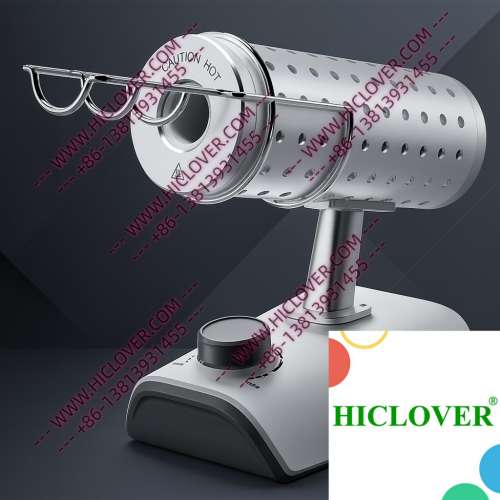
The Micro Incinerator employs a unique infrared heating principle, utilizing an enclosed ceramic tube capable of achieving rapid thermal sterilization. Unlike traditional flame sterilizers, which can introduce variables such as soot and flickering flames, the infrared technology provides consistent high-temperature disinfection. The device reaches temperatures around 800-1000°C within seconds, effectively eliminating viable microorganisms without the risk of pollution from open flames or residual combustion products.
In the ceramic heating chamber, the infrared heat emanates from a coiled heating element that targets inoculating loops and other lab tools, allowing for an efficient sterilization process. The compact design ensures that it can be easily integrated into various laboratory environments, making it a versatile choice for research institutions and clinical diagnostics labs.
Key Features of Micro Incinerators
- High Temperature Control: Allows precise sterilization with minimal energy consumption.
- Compact Design: Its size fits seamlessly into crowded workspaces while maintaining mobility.
- Aerosol-Free Handling: Reduces the risk of aerosol contamination, crucial in BSL-2 and BSL-3 labs.
- Fast Sterilization Times: Achieves results in seconds, enhancing workflow efficiency.
- Flame-Free Operation: Minimizes safety hazards linked to traditional flame sterilizers.
- What are the primary advantages of using a Micro Incinerator compared to traditional flame sterilizers?
Micro Incinerators provide rapid thermal sterilization, are aerosol-free, and are generally more energy-efficient. - Can the Micro Incinerator be used in BSL-2 labs?
Yes, it is specifically designed to meet the high sterilization standards required in BSL-2 and BSL-3 laboratories. - How long does it take to heat up the Micro Incinerator?
The Micro Incinerator typically reaches sterilization temperatures within seconds, significantly reducing waiting times. - What is the maintenance requirement for a Micro Incinerator?
It requires minimal maintenance—periodic cleaning of the ceramic tube and ensuring the electrical components are in good condition should suffice. - Are there specific applications recommended for the Micro Incinerator?
The device is ideal for teaching labs, clinical diagnostics, and any work involving high-risk pathogens, particularly in clean room settings.
Application Scenarios in Real Labs
1. Teaching Laboratories
University teaching labs often utilize the Micro Incinerator as a safe and reliable method for sterilizing inoculating loops. Students gain hands-on experience with a state-of-the-art sterilization device, learning the importance of contamination control. This environment demands quick sterilization, and the infrared technology accommodates rapid transitions between experiments, ensuring that students can focus on their microbiological studies without delay.
2. Clinical Diagnostics and BSL-3 Labs
In clinical microbiology settings, particularly within BSL-3 environments, the need for stringent biosafety measures cannot be overstated. The Micro Incinerator is employed to sterilize instruments without generating harmful aerosols—a crucial requirement when handling pathogenic microorganisms. Additionally, in locations where traditional flames pose a risk due to the presence of flammable materials, the Micro Incinerator stands out as the optimal solution.
Compliance and Safety Considerations
Adhering to international biosafety standards, such as those set by the World Health Organization (WHO), is critical for laboratories dealing with infectious agents. Utilizing an advanced sterilization solution like the Micro Incinerator not only meets but exceeds safety regulations by eliminating open flames in clean rooms. This reliance on infrared sterilization aligns with global standards for laboratory equipment, emphasizing the importance of a flame-free workspace.
The device plays a pivotal role in maintaining compliance with laboratory sterilization standards, including ISO 15189 (medical laboratories) and other relevant environmental health protocols. Ensuring that labs utilize tools that fulfill these criteria preserves the safety of both personnel and samples.
Micro Incinerator vs. Flame Sterilizers
| Feature | Micro Incinerator | Flame Sterilizers |
|---|---|---|
| Temperature Control | Precise and adjustable | Variable; difficult to maintain |
| Risk of Contamination | Aerosol-free handling | Risk of soot and other contaminants |
| Energy Efficiency | Low power consumption | Higher energy usage |
| Ease of Use | User-friendly, quick setup | Involves manual flame management |
Frequently Asked Questions
Conclusion
In the world of laboratory sterilization, the Micro Incinerator stands out as a pivotal tool, addressing complex biosafety challenges while promoting efficient workflows. For research institutions, hospitals, and universities seeking a reliable, flame-free sterilization solution for their PCR and microbiological needs, investing in this technology will enhance safety and compliance significantly. Explore our selection of high-quality Micro Incinerators to elevate your laboratory practices today.
Categories:
Tags: