
As laboratories face increasing biosafety challenges, the demand for efficient and reliable sterilization equipment has never been more critical. Whether it’s ensuring contamination control in BSL-2 and BSL-3 microbiology labs or maintaining the integrity of samples in clinical diagnostics, having the right sterilization tools is essential. Among these, the Micro Incinerator or Infrared Inoculating Loop Sterilizer stands out as a modern solution to the age-old problem of effective sterilization, enabling a rapid thermal sterilization process that significantly enhances workflow in various lab environments.
Technical Principles of the Micro Incinerator
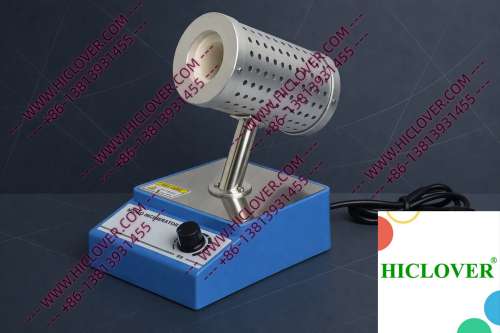
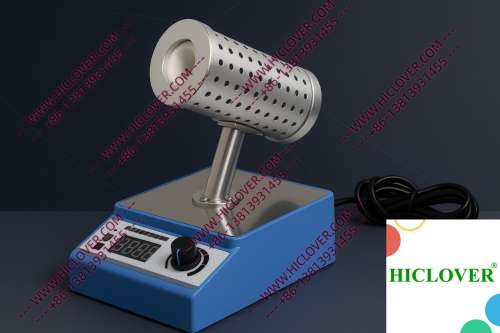
The Micro Incinerator uses cutting-edge infrared heat technology to achieve high-temperature disinfection. Central to its operation is a durable ceramic heating chamber that provides uniform heat distribution, ensuring that inoculating loops and other sterilizable instruments reach the required temperatures for effective sterilization. Unlike traditional flame sterilizers, which can cause uneven heating and potential harm to heat-sensitive instruments, this advanced sterilizer offers precise control over temperature and sterilization time.
Key Features and Advantages
- Rapid Sterilization: Achieving sterilization in seconds, the Micro Incinerator minimizes downtime between procedures.
- Clean-Bench-Safe Operation: With no open flames, aerosol-free handling reduces the risk of contamination during lab work.
- Compact Design: Its small footprint allows easy integration into any laboratory workstation, including BSL-2 and BSL-3 setups.
- High Efficiency: Infrared technology eliminates the need for alcohol lamps or Bunsen burners, providing a more sustainable and efficient sterilization method.
- Compliance with Safety Standards: Meets WHO biosafety and laboratory sterilization standards for safe handling and operation.
Application Scenarios
The versatility of the Micro Incinerator makes it suitable for various laboratory environments:
1. University Teaching Labs
In university settings, where students are constantly engaging in microbiological experiments, the Micro Incinerator provides a user-friendly approach to sterilization. Students can quickly sterilize inoculating loops without the need for complex flame-based systems, which can pose safety hazards. The precise control offered by infrared heat ensures consistent results, promoting confidence and safety in laboratory practices.
2. Clinical Diagnostics
In clinical settings, especially during field testing or diagnostics involving rapid sample processing, the Micro Incinerator excelled in maintaining sterility. It protects sensitive samples from contamination, thereby ensuring valid test results. The portability of the device also allows it to be utilized in remote testing locations, where traditional sterilization methods are impractical.
Regulatory Compliance and Environmental Considerations
One of the primary concerns in any laboratory is adhering to stringent biosafety regulations. The Micro Incinerator stands out in this regard, fulfilling the requirements laid out by the World Health Organization (WHO) and other governing bodies regarding safe laboratory practices. Its operation minimizes the risk of aerosol generation, aligning with best practices for cleanroom environments.
Furthermore, its flameless design reduces the environmental impact associated with traditional flame sterilizers. The reduced reliance on combustible fuels and chemicals leads not only to safer operational conditions but also supports a more eco-friendly lab environment.
Comparison: Micro Incinerator vs. Traditional Flame Sterilizers
| Feature | Micro Incinerator | Traditional Flame Sterilizers |
|---|---|---|
| Sterilization Speed | Seconds | Varies |
| Temperature Control | Precise | Variable |
| Aerosol Generation | No | Yes |
| Safety | Flame-free | Burn Risks |
| Environmental Impact | Low | Moderate |
Frequently Asked Questions (FAQs)
1. What types of laboratories benefit most from using a Micro Incinerator?
Micro Incinerators are particularly beneficial in BSL-2 and BSL-3 laboratories, university teaching labs, and clinical diagnostics environments.
2. How does the sterilization process work in the Micro Incinerator?
The device uses infrared heat to achieve rapid thermal sterilization, with instruments typically reaching sterilization temperatures within seconds.
3. Is there a risk of contamination when using a Micro Incinerator?
Due to its clean-bench-safe operation and aerosol-free handling, the risk of contamination is significantly minimized compared to flame-based sterilization methods.
4. Can a Micro Incinerator be used in field testing?
Yes, its compact design and efficient operation make it suitable for use in remote testing environments.
5. What safety standards does the Micro Incinerator meet?
It meets WHO biosafety and laboratory sterilization standards, ensuring compliance with safety regulations.
Conclusion
The Micro Incinerator / Infrared Inoculating Loop Sterilizer represents a significant advancement in laboratory sterilization technology. By offering rapid thermal sterilization, compliance with safety standards, and enhanced usability, it addresses the pressing needs of modern laboratories. To explore purchasing options or receive further information about integrating this crucial equipment into your lab operations, don’t hesitate to contact us!
Categories:
Tags: