
In the realm of laboratory operations, ensuring a sterile environment is paramount for accurate results and the safety of both personnel and samples. Microbiology labs face practical challenges in achieving biosafety, especially when considering the sterilization of inoculating loops and other essential tools. Traditional methods, such as Bunsen burners and alcohol lamps, have been widely used but can pose risks ranging from open flames to contamination through aerosol generation. In this guide, we will explore how advanced sterilization equipment, particularly the Micro Incinerator / Infrared Inoculating Loop Sterilizer, meets the increasing demands of laboratory sterilization workflows.
Understanding the Micro Incinerator Technology
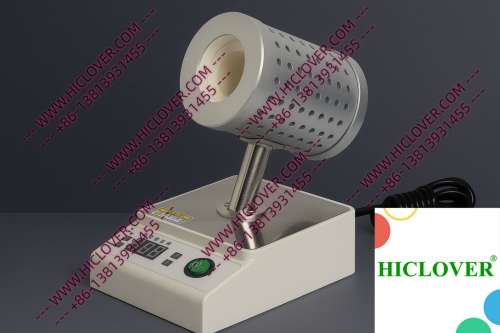
The Micro Incinerator employs infrared heat technology for rapid thermal sterilization. Unlike traditional flame sterilizers, it utilizes an enclosed ceramic heating chamber that can reach high temperatures efficiently. This system provides a clean and safe alternative for sterilizing loops, needles, and other lab tools without the risk of contamination associated with open flames. As the infrared rays target instruments directly, they provide precise temperature control while minimizing the potential for soot and other residues.
Comparing Sterilization Methods
| Feature | Micro Incinerator | Flame Sterilizers (e.g., Bunsen Burners) |
|---|---|---|
| Heating Method | Infrared | Open Flame |
| Contamination Risk | Low | High |
| Safety | Clean-bench-safe | Unsafe in Flammable Environments |
| Environmental Impact | Aerosol-free handling | Produces Smoke |
Application Scenarios in Research Labs
Micro Incinerators offer versatile applications across various laboratory environments:
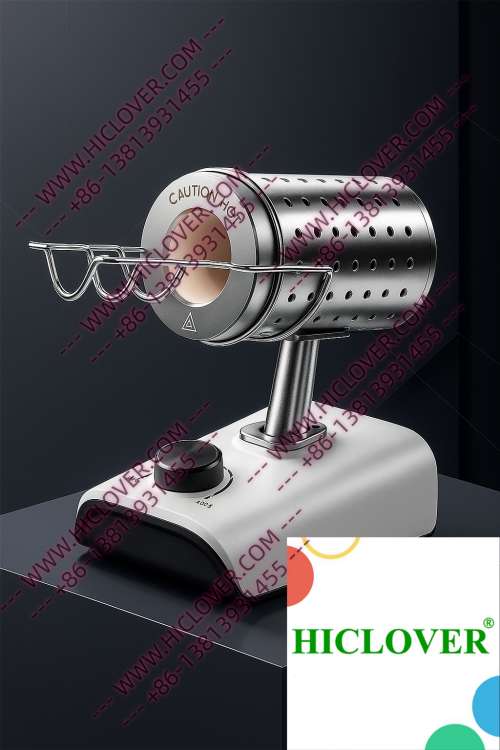
- Biosafety Cabinets: In BSL-2 or BSL-3 microbiology labs, where contamination control is critical, the Micro Incinerator ensures that sterilization occurs safely within the confines of a biosafety cabinet. Its design prevents cross-contamination while providing rapid sterilization of tools.
- Field Testing: For mobile and field testing labs, particularly in remote locations, the need for portable and efficient sterilization is crucial. The compact design of the Micro Incinerator tasks researchers with sterilizing instruments on-site, ensuring reliable results without the need for external heat sources.
Compliance and Environmental Considerations
Adhering to international biosafety standards is a non-negotiable aspect of laboratory operations. The World Health Organization (WHO) provides benchmarks for the safe handling of biological materials, emphasizing the need for appropriate sterilization methods to mitigate risks. Furthermore, labs must comply with various sterilization standards, which often prohibit open flames in clean rooms due to their potential to generate aerosols and particulate matter.
Micro Incinerators align with these guidelines by ensuring a flame-free environment, making them an ideal choice for cleanroom applications. In countries with stringent sterilization requirements, such as those in Europe, the use of non-flame sterilization methods is increasingly mandated to protect both laboratory staff and the integrity of sensitive materials.
FAQs about Micro Incinerators
- What is the main advantage of using a Micro Incinerator over a traditional flame sterilizer? The Micro Incinerator offers a safer, more efficient way to sterilize laboratory tools, significantly reducing the risk of contamination and enhancing workflow within sterile environments.
- Can the Micro Incinerator be used in BSL-3 labs? Yes, it is suitable for BSL-3 labs due to its safe operation and effective contamination control.
- How does infrared heat sterilization work? The Micro Incinerator uses focused infrared radiation to heat equipment rapidly and effectively destroy microbial life.
- Is the Micro Incinerator portable for field use? Absolutely! Its compact design makes it ideal for mobile labs and field testing operations.
- What are the environmental benefits of using this technology? It minimizes aerosol generation and contamination risks while ensuring compliance with cleanroom standards.
Conclusion
As the scientific community pushes towards more sophisticated and safe sterilization methods, the Micro Incinerator / Infrared Inoculating Loop Sterilizer stands out for its efficiency, safety, and regulatory compliance. Laboratories aiming to enhance their biosafety protocols, improve workflow, and ensure contamination control will benefit from integrating this advanced tool into their operations. For those ready to align with the future of laboratory sterilization and elevate their workflow around sterilization procedures, consider reaching out today for more information on procurement options.