
In the ever-evolving landscape of laboratory work, biosafety emerges as a paramount concern. Laboratories face the challenge of maintaining stringent sterilization standards to mitigate infection risks and ensure the integrity of scientific research. As labs, particularly in the BSL-2 and BSL-3 categories, prioritize contamination control, selecting the right sterilization equipment becomes critical. This guide delves into the advantages of using the Micro Incinerator / Infrared Inoculating Loop Sterilizer, exploring its features, benefits, and practical applications in a variety of laboratory settings.
Challenges in Laboratory Biosafety and Sterilization Workflows
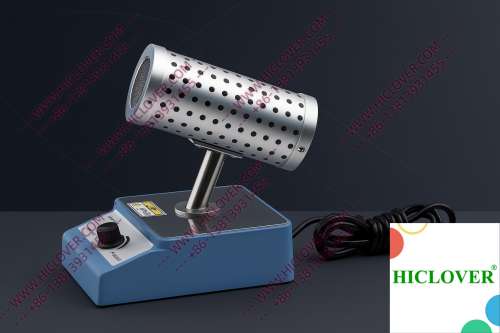
Laboratories must navigate several biosafety challenges, such as preventing cross-contamination, managing hazardous pathogens, and adhering to compliance regulations set forth by organizations like the WHO. Traditional methods of sterilization, while effective, often introduce risks associated with open flames and chemical agents that compromise safety and efficiency. As laboratories shift towards more advanced sterilization solutions, the demand for high-performance devices like infrared sterilizers has surged.
Key Features of the Micro Incinerator / Infrared Inoculating Loop Sterilizer
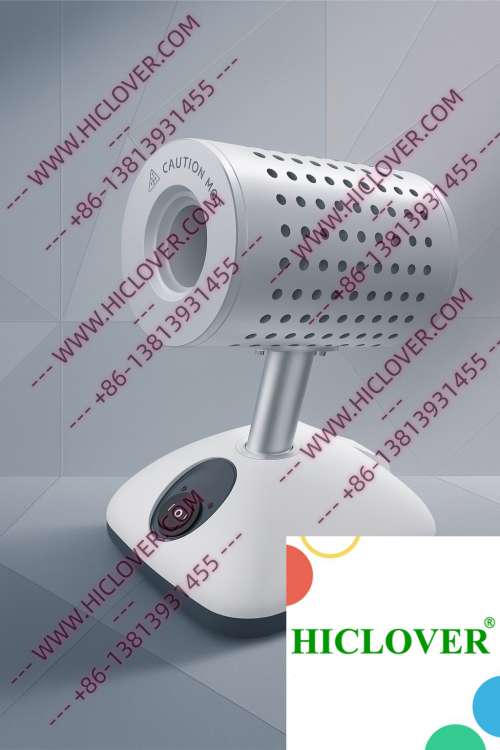
The Micro Incinerator is an exemplary device tailored to meet the rigorous demands of modern laboratories. Below are some of its key features:
- Infrared Heating Principle: Utilizes rapid thermal sterilization through infrared heat, allowing for prompt disinfection of inoculation loops and tools without introducing flames.
- Safe Enclosed Ceramic Tube: Designed with a ceramic heating chamber, it efficiently contains heat and minimizes the risk of aerosols, making it ideal for clean bench and biosafety cabinet applications.
- No Flame Operation: Operates without open flames, significantly reducing the risks associated with traditional flame sterilizers like alcohol lamps and Bunsen burners.
- Portability: Compact design allows it to be used in various laboratory scenarios, including field testing in resource-limited settings.
- Energy Efficiency: Offers quick heating and cool-down periods, ensuring minimal downtime between sterilization cycles.
- WHO Biosafety Guidelines: Ensures proper handling and sterilization of potentially infectious materials.
- Laboratory Sterilization Standards: Meets the requirements specified for BSL-2 and BSL-3 facilities, ensuring a safe working environment.
- Aerosol-Free Handling: Designed specifically to be clean-bench-safe, improving air quality while maintaining sterilization efficacy.
Practical Applications in Real Laboratories
Micro Incinerators specialize in diverse settings, demonstrating versatility across a range of laboratory types:
1. University Teaching Labs
In university settings, where students handle various microbial strains, reliability is critical. Armed with a Micro Incinerator, educators can emphasize biosafety measures while providing students hands-on experience in contamination control. With no open flames, teaching laboratories reduce hazards, enabling students to focus on learning rather than managing fire risks.
2. Clinical Diagnostics
In clinical laboratories, accurate sample processing is crucial. The Micro Incinerator ensures that inoculating loops are properly sterilized before use, preventing contamination in test samples. The rapid heating capability allows technicians to perform their work efficiently while adhering to strict sterilization protocols.
Compliance with Biosafety Standards
Conforming to international biosafety standards is essential for laboratory operations. The Micro Incinerator’s design aligns with:
By eliminating the need for flames, these sterilizers contribute to safer operations in clean rooms and other controlled environments, minimizing fire hazards associated with traditional flame-based sterilization methods.
Comparison of Micro Incinerator vs. Traditional Flame Burners
| Feature | Micro Incinerator | Flame Burners |
|---|---|---|
| Heat Source | Infrared (Ceramic chamber) | Open Flame (Bunsen, alcohol) |
| Aerosol Production | No | Yes |
| Operational Safety | Safe, enclosed design | Higher fire risk |
| Energy Efficiency | Rapid heating and cooling | Varies greatly |
| Use in Clean Rooms | Ideal | Not recommended |
Frequently Asked Questions
What is the primary advantage of using a Micro Incinerator over traditional flame sterilizers?
The Micro Incinerator eliminates the risks of open flames, making it safer for use in sterile environments while providing efficient sterilization through infrared heat.
How long does it take to sterilize an inoculating loop with a Micro Incinerator?
Typically, sterilization takes less than 10 seconds, allowing for rapid workflow and minimal downtime.
Can the Micro Incinerator be used in field testing scenarios?
Yes, its compact design and portability make it suitable for mobile labs or field testing environments.
Is the Micro Incinerator compliant with WHO biosafety guidelines?
Absolutely! It is designed to meet rigorous biosafety standards, making it an ideal choice for BSL-2 and BSL-3 laboratories.
What materials can be sterilized using the Micro Incinerator?
The Micro Incinerator effectively sterilizes metal inoculating loops, needles, and other small metal instruments used in microbiological work.
Conclusion
In the modern laboratory environment, prioritizing safety and efficiency in sterilization practices is essential. The Micro Incinerator / Infrared Inoculating Loop Sterilizer allows labs to advance their sterilization processes significantly while adhering to compliance standards. Its advantages over traditional flame sterilizers are compelling, offering enhanced safety and usability in various settings from university teaching labs to clinical diagnostics. For laboratories seeking to elevate their biosafety practices and streamline sterilization workflows, the Micro Incinerator represents an invaluable investment. For inquiries, product demonstrations, or orders, feel free to contact us today!
Categories:
Tags: