
In today’s laboratory environments, where precision and biosafety have never been more crucial, maintaining sterile conditions is not just a best practice—it’s a necessity. Lab personnel face unique challenges as they work to prevent contamination while adhering to ever-evolving protocols. This is particularly true in microbiology labs, where the introduction of pathogens can compromise research integrity and public health. Among the myriad of sterilization techniques available, the Micro Incinerator or Infrared Inoculating Loop Sterilizer stands out as a vital tool in ensuring clean cultures in biotechnology laboratories.
Understanding the Technology: Infrared Heat and Closed Design
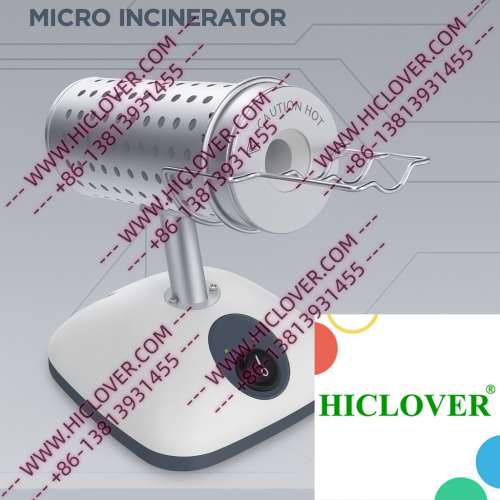
The Micro Incinerator operates utilizing advanced infrared heating technology, which offers a rapid and efficient sterilization process. Unlike traditional flame sterilizers, such as alcohol lamps and Bunsen burners, the Micro Incinerator employs a sealed ceramic heating chamber. This design not only minimizes the risk of fire hazards commonly associated with open flames, but also significantly reduces aerosol production—an essential feature in BSL-2 and BSL-3 microbiology labs.
“Infrared high-temperature disinfection is not just about killing contaminants; it’s about doing so safely and efficiently.”
The enclosed ceramic tube of the Micro Incinerator reaches sterilization temperatures almost instantly, allowing lab technicians to spend less time managing flames and more time focusing on their experimental workflows. This efficiency is paramount in high-throughput laboratories, where speed and accuracy directly impact results.
Application Scenarios in Laboratory Settings
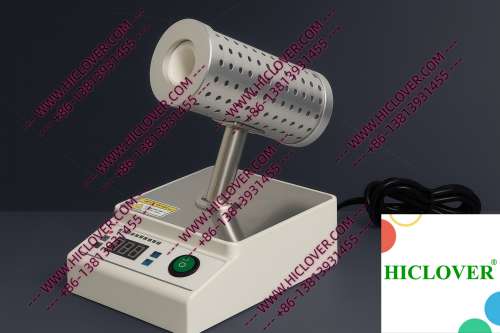
The versatility of the Micro Incinerator makes it a favorite in various laboratory environments. Here are two prime examples:
- Biosafety Cabinets: In a controlled biosafety cabinet setting, utilizing the Micro Incinerator ensures that all inoculation loops and tools are sterilized without introducing external contaminants. The enclosed design creates an ideal environment for utilizing heat while maintaining sterile conditions.
- University Teaching Labs: For educational institutions, the Micro Incinerator provides a safe and effective way to demonstrate sterilization techniques to students. The ease of use combined with low risk makes it an invaluable asset in teaching labs where safety is paramount.
Compliance and Environmental Safety in Laboratory Sterilization
Compliance with laboratory sterilization standards is non-negotiable. Organizations like the World Health Organization (WHO) and national regulatory bodies have established guidelines emphasizing the importance of effective sterilization methods in preventing cross-contamination. Among these standards, minimizing flame use in clean rooms is essential. The Micro Incinerator’s design allows for flame-free operation, which aligns perfectly with these compliance protocols. This not only enhances safety measures but also promotes environmental responsibility by reducing hazardous waste typically associated with flame sterilization methods.
Micro Incinerator vs. Flame Sterilizers: A Comparative Overview
| Feature | Micro Incinerator | Flame Sterilizers |
|---|---|---|
| Heating Method | Infrared | Open Flame |
| Safety | Low Risk | High Risk (fire hazard) |
| Aerosol Production | Minimal | High |
| Efficiency | Rapid | Variable |
| Operator Training | Minimal | Moderate |
Addressing Common Questions
- What is an Infrared Inoculating Loop Sterilizer?
This is a device that uses infrared heat to sterilize inoculating loops and other small lab equipment without an open flame. - How does it ensure safety in laboratories?
The enclosed design and rapid thermal sterilization reduce the danger of open flames, making it ideal for BSL environments. - Can it be used in a field testing environment?
Yes, its portability and ease of use make it suitable for mobile laboratory applications. - How does it compare in cost to traditional methods?
While the initial investment may be higher, savings on operational safety and efficiency usually offset long-term costs. - Is training required to use a Micro Incinerator?
Minimal training is needed due to its intuitive design; however, proper sterilization technique training is recommended.
Conclusion: Your Path to Safe and Efficient Laboratory Practices
For laboratories aiming to enhance their sterilization practices, the Micro Incinerator represents a forward-thinking solution. By opting for this sophisticated device, you are not just investing in equipment; you are making a commitment to safety, compliance, and efficiency. Whether you are operating in a hospital, university setting, or a field testing lab, this sterilization tool can elevate your contamination control strategies.
If you are interested in learning more about how the Micro Incinerator can fit your laboratory’s needs, please don’t hesitate to reach out. Explore the future of sterile handling today!
Categories:
Tags: