
In the world of laboratory biosafety, maintaining stringent hygiene protocols is essential for ensuring both accurate results and the safety of personnel. Traditional sterilization methods, such as Bunsen burners and alcohol lamps, while effective, come with their own set of challenges. The introduction of advanced sterilization equipment, like the Micro Incinerator and Infrared Inoculating Loop Sterilizer, marks a noteworthy shift towards more efficient and reliable sterilization techniques. This article delves into the nuances of these innovative devices, showcasing their advantages, applications, and compliance with global biosafety standards.
The Need for Modern Sterilization Techniques
Laboratories face continuous demands to improve workflow efficiency and safety protocols, particularly in environments like BSL-2 and BSL-3 laboratories, clinical diagnostics, and teaching labs. Traditional flame-based sterilizers present risks, such as unwanted heat exposure, potential fire hazards, and the release of fumes that can compromise clean environments. Moreover, flame sterilization can lead to aerosol production, raising the specter of contamination in sensitive settings.
Technical Principles Behind Micro Incinerators
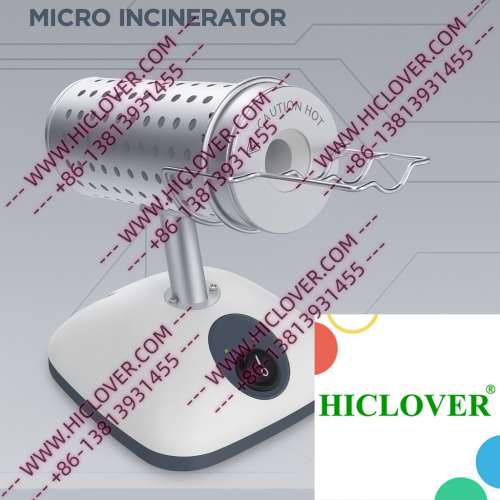
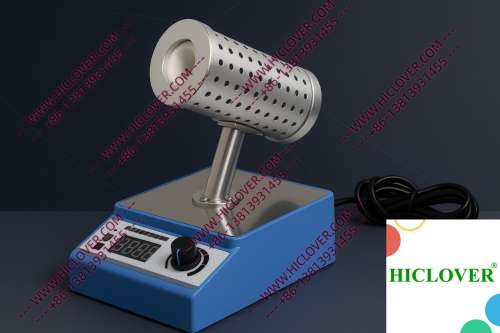
The Micro Incinerator employs a unique design that sets it apart from conventional flame sterilization methods. Utilizing infrared heat, the device features an enclosed ceramic heating chamber that provides rapid thermal sterilization. This approach to sterilization ensures efficient heat transfer while minimizing the risk of contamination. The absence of open flames enables clean-bench-safe operations, suitable for delicate settings where contamination control is paramount.
- Rapid Thermal Sterilization: Achieves sterilization in seconds, enhancing workflow efficiency.
- Aerosol-Free Handling: Reduces the risk of contamination compared to traditional flame sterilizers.
- Compact Design: Ideal for confined spaces, mking it suitable for a range of laboratory environments.
- Easy Operation: Simple interface that can be used effectively by both experienced professionals and newcomers.
- No Flame in Clean Rooms: Essential for maintaining irrelevant particulate matter in controlled environments.
- Reduction of Chemical Use: Unlike traditional sterilizers, the Micro Incinerator limits the need for alcohol or other sterilants.
- Less Heat Damage: The targeted infrared heat reduces the risk of thermal damage to sensitive equipment and samples.
Applications in Real Laboratories
In Biosafety Cabinets
One key application of the Micro Incinerator is within biosafety cabinets. These controlled environments are designed to protect both research personnel and the specimens being handled. By integrating the Micro Incinerator into these settings, researchers can easily sterilize inoculating loops and tools without risk of flame-related incidents. This avoids potential contamination, ensuring that results are reliable and repeatable.
Field Testing and Mobile Labs
The portability of the Micro Incinerator makes it a prime choice for field testing in various environments. Laboratories conducting mobile diagnostics or research in remote locations benefit immensely from this equipment. It allows researchers to maintain strict sanitation standards without the need for bulky flame sterilizers. Additionally, the easy setup and operation facilitate swift responses to ongoing investigations and rapid fieldwork.
Compliance with Biosafety Standards
The World Health Organization (WHO) sets forth rigorous standards for laboratory operations, especially concerning microbiological safety. Compliance with these standards is critical, particularly in BSL-2 and BSL-3 levels where inadequate sterilization can lead to serious health risks. The Micro Incinerator addresses several compliance challenges:
Advantages Over Traditional Flame Sterilizers
| Feature | Micro Incinerator | Flame Burners |
|---|---|---|
| Operation Type | Infrared Heat | Open Flame |
| Contamination Risk | Low | High |
| Response Time | Seconds | Minutes |
| Portability | High | Low |
FAQs
What types of laboratories benefit from the Micro Incinerator?
Both BSL-2 and BSL-3 laboratories, clinical diagnostics facilities, and academic teaching labs benefit from the efficiencies of using a Micro Incinerator.
How does the Micro Incinerator ensure safe operation?
Utilizing infrared heating, the Micro Incinerator eliminates the risks associated with open flame, providing a safe and effective sterilization method.
Is the Micro Incinerator compliant with global biosafety standards?
Yes, it meets or exceeds standards set by organizations such as the WHO, making it suitable for high containment labs.
Can the Micro Incinerator be used in cleanroom environments?
Absolutely! Its design is tailored for cleanroom applications where conventional flame sterilizers cannot be employed due to contamination risks.
What items can be sterilized using the Micro Incinerator?
It is ideal for sterilizing inoculating loops, glass slides, and other small laboratory instruments that require efficient disinfection.
Conclusion
Embracing the Micro Incinerator and infrared inoculating loop sterilizer models represents a significant step towards modernizing laboratory sterilization practices. With their enhanced safety features, compliance with international standards, and efficiency in sterilization processes, these devices are set to redefine laboratory workflows. If you’re interested in elevating your laboratory’s sterilization protocols, consider reaching out to us for more information about these innovative sterilization systems.
Categories:
Tags: