
In the rapidly evolving landscape of laboratory science, effective biosafety measures have never been more crucial. From microbiology labs tackling infectious agents to teaching laboratories fostering the next generation of scientists, the need for reliable sterilization solutions remains a top priority. One revolutionary piece of equipment that is transforming the sterilization workflow is the Micro Incinerator, also known as the Infrared Inoculating Loop Sterilizer. This article explores the challenges of laboratory biosafety, the technical principles behind these cutting-edge devices, their practical applications, and compliance with sterilization standards to highlight why they are gaining traction worldwide.
The Challenges of Laboratory Sterilization
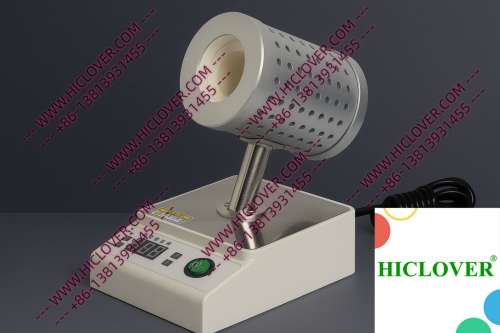
Laboratories, particularly those classified as BSL-2 and BSL-3, face unique challenges when it comes to sterilizing tools and media. Traditional methods, such as alcohol lamps and Bunsen burners, pose risks including open flames that can lead to cross-contamination or injuries. Moreover, such methods can generate aerosols that compromise air quality, thereby compromising the integrity of sensitive experiments. With rigorous demands for safety, efficiency, and environmental considerations, researchers require alternatives that mitigate these risks while maintaining optimal workflow.
Technical Principles of Micro Incinerators
The Infrared Inoculating Loop Sterilizer operates on fundamental principles of rapid thermal sterilization. Unlike flame-based sterilizers, which can disperse contaminants, the Micro Incinerator utilizes an enclosed ceramic heating chamber that reaches temperatures of 850°C within seconds. This high-temperature disinfection effectively eliminates bacteria, fungi, and spores without producing harmful aerosols.
The design allows for clean-bench-safe operation, making it ideal for biosafety cabinets where contamination must be rigorously controlled. The instrument often features adjustable temperature settings and a quick cooling mechanism, enhancing its usability across varied laboratory settings.
Applications of Micro Incinerators in Real Labs
- Biosafety Applications: In BSL-2 laboratories, where work involves pathogens that can cause mild diseases, sterilizers ensure that inoculating loops and other tools are effectively decontaminated without risk to personnel.
- Field Testing: For mobile and field testing laboratories, where traditional sterilizers are impractical due to lack of power or safety hazards, portable infrared sterilizers provide quick and efficient solutions. This is particularly important in clinical diagnostics in remote areas.
- Education Settings: University teaching labs benefit from the Micro Incinerator’s ease of use and safety, allowing students to practice sterile techniques without the fear of burns or contamination. This replicates the conditions of professional labs without compromising safety.
Compliance and Environmental Considerations
The World Health Organization (WHO) emphasizes strict biosafety guidelines to mitigate the risk of accidental exposure to pathogens in laboratories. The advent of infrared sterilizers aligns perfectly with these guidelines, as many jurisdictions prohibit the use of open flames in clean rooms.
Standards for laboratory sterilization, such as ISO 15190 for microbiological testing, mandate the effective disinfection of tools without harmful emissions. The Micro Incinerator’s ability to deliver efficient, flame-free sterilization complies with these standards, contributing to a safer working environment.
| Features | Micro Incinerator | Flame Burners |
|---|---|---|
| Temperature Control | Precise and adjustable | Variable and often inconsistent |
| Aerosol Production | None | High, risk of contamination |
| Heating Element | Ceramic tube | Open flame |
| Safety | Clean-bench-safe | Potential for burns and fire hazards |
| Speed of Operation | Instant on/off | Requires time to ignite and cool |
Common Questions about Micro Incinerators
- How do I maintain a Micro Incinerator? Regular cleaning of the ceramic tube and ensuring the electrical components are free from damage will prolong its lifespan. Follow the manufacturer’s guidelines for maintenance.
- Can it be used in a biosafety cabinet? Absolutely! The Micro Incinerator is designed for safe use within biosafety cabinets, ensuring a sterile work environment without the risks associated with flames.
- How long does it take to heat up? The Micro Incinerator achieves sterilizing temperatures of 850°C within seconds, significantly reducing downtime compared to traditional methods.
- Is it suitable for all types of inoculating loops? Yes, the Micro Incinerator can efficiently sterilize various types of inoculating loops and other lab instruments, ensuring versatile use.
- Are there environmental benefits to using a Micro Incinerator? Yes, its flame-free operation reduces the creation of hazardous aerosols and prevents open flame-related accidents, promoting a safer and more eco-friendly laboratory environment.
Conclusion
The Micro Incinerator / Infrared Inoculating Loop Sterilizer is not just an innovation; it is a necessity for modern laboratories aiming for the highest standards of safety and efficiency. Its rapid thermal sterilization capabilities drastically improve workflows while adhering to stringent biosafety regulations. Shift away from traditional flame sterilizers to ensure your laboratory’s contamination control measures are state-of-the-art. For inquiries and purchases, don’t hesitate to contact us. Experience the transformation in your sterilization protocols today!
Categories:
Tags: