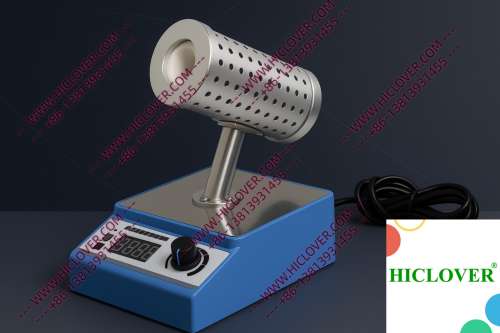
Laboratories face numerous challenges when it comes to maintaining biosafety and ensuring effective sterilization of instruments. In the realm of microbiology and other scientific domains, contamination control is paramount; any lapse can compromise research outcomes or patient safety. Traditional methods, such as alcohol lamps and Bunsen burners, while ubiquitous, can introduce hazards like open flames, toxic fumes, and aerosol generation. This is where the Micro Incinerator / Infrared Inoculating Loop Sterilizer emerges as a game-changer, employing the innovative 950°C loop process for rapid thermal sterilization.
Technical Principles of the Infrared Inoculating Loop Sterilizer
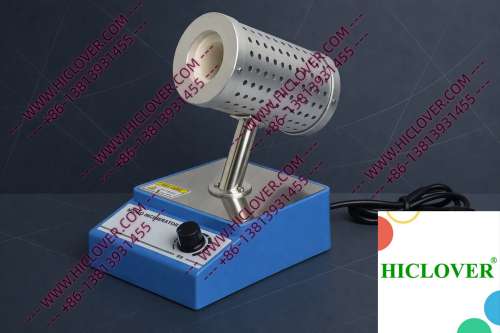
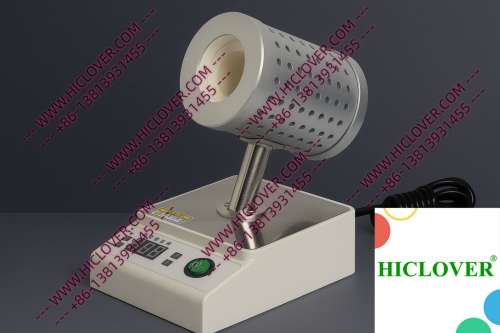
The Micro Incinerator operates primarily on the principles of infrared heat and an enclosed ceramic heating chamber. The device reaches peak temperatures of 950°C in a matter of seconds, providing high-temperature disinfection without the associated dangers of flame. The enclosed ceramic tube design ensures that heat is efficiently focused, allowing for uniform heating of inoculating loops and the prompt elimination of microbial contaminants.
This advanced sterilization technique enhances laboratory workflow by significantly reducing the time required to sterilize inoculating loops between uses. Unlike traditional flame sterilizers that require waiting times for the loop to cool down, the infrared sterilizer provides a clean-bench-safe environment, minimizing the risk of contamination from aerosols or toxic compounds. Additionally, this method eliminates the need for fuel sources or hazardous materials.
Application Scenarios in Real Labs
- Biosafety Cabinets: In BSL-2 and BSL-3 labs, the Micro Incinerator can easily fit inside a biosafety cabinet, providing an efficient means for sterilizing tools in a controlled environment. The infrared technology reduces the risk of flame-related accidents, thereby enhancing safety protocols.
- University Teaching Labs: In academic settings, students are often required to perform delicate microbiological techniques. The use of Micro Incinerators eliminates the anxiety associated with working around flames, allowing for a greater focus on learning and practical skills development.
- Field Testing: For mobile labs conducting environmental sampling, the infrared inoculating loop sterilizer offers portability and discretion. Its compact design allows for easy transport, making it an excellent option for on-site testing where traditional methods may pose risks.
- What is the maximum temperature of the Micro Incinerator?
The Micro Incinerator reaches up to 950°C, providing rapid thermal sterilization. - Can the Micro Incinerator be used in BSL-3 laboratories?
Yes, it is designed for high-biosafety environments and aligns with relevant compliance standards. - Is the Micro Incinerator portable?
Absolutely! Its compact design makes it suitable for field testing labs and mobile operations. - How does the Micro Incinerator minimize contamination risks?
The infrared technology ensures no aerosol generation, while the enclosed design reduces fire hazards. - What are the benefits of using a Micro Incinerator in teaching labs?
The Micro Incinerator enhances safety, reduces distraction from flame-related worries, and promotes a focus on learning.
Compliance with Laboratory Sterilization Standards
As laboratories increasingly adhere to stringent biosafety protocols, compliance becomes a critical consideration. The World Health Organization (WHO) and laboratory standards such as ISO 15189 outline guidelines that also discourage the use of open flames in clean rooms and biosafety cabinets due to the fire hazard they pose. Utilizing a Micro Incinerator not only aligns with these safety guidelines but also promotes a culture of safety within the workplace.
Moreover, the Micro Incinerator supports laboratories in meeting sterilization compliance requirements. With no flames, laboratories can effectively manage aerosol generation during the sterilization process, thus significantly reducing biohazard risks. This compliance is especially crucial in environments where contamination can be catastrophic, such as clinical diagnostics and microbiological research.
Advantages Over Traditional Flame Sterilizers
| Feature | Micro Incinerator | Flame Sterilizers |
|---|---|---|
| Temperature Control | Precise, up to 950°C | Variable, dependent on flame |
| Aerosol Generation | None | High |
| Safety | No open flames | Risk of burns and fire |
| Time Efficiency | Instant sterilization | Longer wait times |
| Portability | Compact and lightweight | Bulky and requires fuel |
Frequently Asked Questions
Conclusion
The Micro Incinerator / Infrared Inoculating Loop Sterilizer represents a significant advancement in laboratory sterilization. Its rapid thermal sterilization capabilities not only enhance efficiency but also contribute to a safer working environment. By integrating this innovative technology, laboratories can meet strict compliance requirements while focusing on contamination control and operational integrity. If you are interested in enhancing your laboratory’s sterilization processes, please reach out for more information or to discuss purchasing options. Experience the evolution of sterilization today!
Categories:
Tags: