
Laboratories across Argentina are facing considerable challenges in biosafety and sterilization workflows. Ensuring contamination control and rapid thermal sterilization of inoculating loops and other tools can be a daunting task, especially in settings such as BSL-2 and BSL-3 microbiology labs. With the increasing demand for effective sterilization solutions, portable micro incinerators have emerged as a game changer in laboratory waste management. This article delves into the unique advantages offered by the Micro Incinerator, particularly the Infrared Inoculating Loop Sterilizer, a must-have for modern laboratories.
Understanding Technical Principles
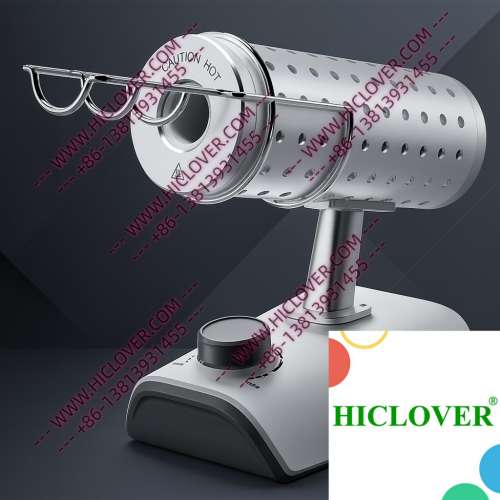
The operation of a Micro Incinerator is fundamentally based on the principles of infrared heating. Unlike traditional flame sterilizers such as alcohol lamps and Bunsen burners, which rely on open flames, the Micro Incinerator utilizes an enclosed ceramic heating chamber. This design ensures a high-temperature disinfection process that is both efficient and safe.
- Infrared Technology: Generates rapid heat, reducing waiting time and increasing workflow efficiency.
- Enclosed Chamber: Minimizes the risk of aerosol generation, protecting the operator from potential contamination.
- Compact Design: Suited for both stationary and mobile lab environments, offering versatility in usage.
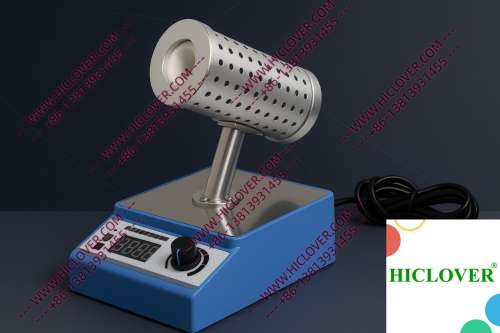
The infrared heat generated is designed to reach temperatures exceeding 800°C, making it an excellent alternative for sterilizing inoculating loops, syringes, and other lab tools. Such efficiency not only enhances productivity but also supports stringent safety protocols inherent in laboratory operations.
Real World Applications
Portable micro incinerators have shown their prowess in various laboratory scenarios across Argentina:
1. Teaching Laboratories
In academic environments, where students are often introduced to biosafety practices, the Micro Incinerator serves as an excellent teaching tool. For instance, when conducting microbiology experiments, students can learn the proper sterilization techniques while avoiding the dangers posed by open flames. The precise, rapid sterilization eliminates the risk of burning or accidental fire outbreaks that are common with traditional methods.
2. Field Testing Laboratories
Mobile or field testing laboratories, which are critical in regions susceptible to disease outbreaks, benefit from the portability and efficiency of micro incinerators. In environments where a standard laboratory setup isn’t feasible, teams can effectively sterilize instruments on-site, minimizing contamination risks associated with transporting used materials back to a lab.
Compliance and Environmental Considerations
As laboratories navigate the complexities of compliance with global standards like those set forth by the WHO, their choice of sterilization equipment becomes paramount. The Micro Incinerator meets various biosafety regulations and guidelines, helping labs demonstrate adherence to:
- WHO biosafety standards
- ISO certification for laboratory sterilization equipment
- Environmental guidelines pertaining to waste disposal and contamination prevention
The absence of an open flame ensures that laboratories can maintain clean-bench safety, which is critical in sensitive environments such as clinical diagnostics and research facilities. Thus, the Micro Incinerator not only supports regulatory compliance but also promotes a safer working atmosphere.
Benefits Over Traditional Flame Sterilizers
When comparing micro incinerators to traditional flame sterilizers, several advantages emerge:
| Feature | Micro Incinerator | Flame Sterilizers |
|---|---|---|
| Safety | Enclosed heating, no open flames | Open flames, risk of burns |
| Efficiency | Rapid heating & sterilization | Longer heating times |
| Portability | Compact and mobile | Often bulky and stationary |
| Environmental Impact | Lower aerosol generation | Potential for aerosols and poor air quality |
The figures speak clearly: micro incinerators not only facilitate effective sterilization but also enhance laboratory safety and efficiency, yielding superior results compared to traditional methods.
FAQs about Micro Incinerators
1. What kind of materials can be sterilized using a micro incinerator?
The Micro Incinerator is suitable for sterilizing inoculating loops, needles, petri dishes, and any equipment requiring high-temperature sterilization.
2. How does a micro incinerator enhance laboratory safety?
By eliminating the risks associated with open flames, it reduces potential hazards such as burns and contamination from aerosols.
3. Is the micro incinerator compliant with international safety standards?
Yes, it meets various biosafety and sterilization standards as outlined by international health organizations.
4. Can I use the micro incinerator in a teaching lab?
Absolutely. It is an ideal tool for teaching proper sterilization techniques without the risks associated with flames.
5. How portable is a micro incinerator for field testing?
Micro Incinerators are designed for mobility, making them perfect for use in diverse field testing environments.
Conclusion
As laboratories in Argentina face increasing demands for efficiency, safety, and compliance within their sterilization workflows, portable Micro Incinerators stand out as an indispensable asset. Their unique design and operational principles not only enhance productivity but also foster a culture of safety and compliance within laboratory environments. For laboratories seeking to upgrade their sterilization capabilities, investing in a Micro Incinerator is a prudent decision. It’s time to step into the future of waste management and elevate your laboratory’s sterilization practices.
Categories:
Tags: