
In today’s laboratory environment, maintaining biosafety standards and ensuring efficient sterilization workflows are more crucial than ever. Laboratories—ranging from clinical diagnostics to university teaching labs—face increasing demands for effective contamination control. With practices becoming more sophisticated and regulatory requirements tightening, laboratories are shifting towards innovative sterilization solutions that promise not only efficiency but also safety.
The Rise of Infrared Sterilization Technology
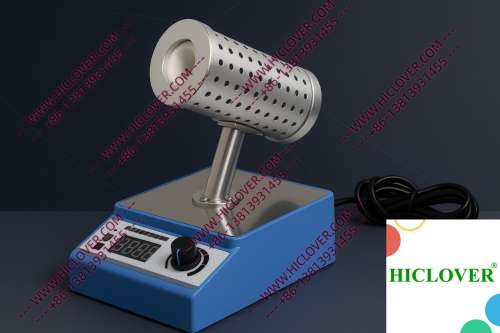
The Micro Incinerator, specifically the Infrared Inoculating Loop Sterilizer, exemplifies the technological advancements transforming laboratory sterilization. Utilizing the principle of infrared heating, this device offers rapid thermal sterilization, effectively eliminating microbial contaminants without the hazards associated with traditional flame methods.
At the heart of the Micro Incinerator is a robust ceramic heating chamber designed for high-temperature disinfection. Unlike conventional flame sterilizers such as alcohol lamps or Bunsen burners, the Infrared Inoculating Loop Sterilizer provides clean-bench-safe operations, ensuring that there are no open flames that could compromise sterile work environments.
Core Features of the Micro Incinerator
- Rapid Heating: Heats to required temperatures in under a minute for quick turnaround.
- Enclosed Design: Minimizes the risk of aerosol generation, enhancing user safety.
- Temperature Control: Allows precise operational control for consistent sterilization outcomes.
- Durable Build: Designed to withstand rigorous lab environments while maintaining efficiency.
- What is the main advantage of using Micro Incinerators over traditional sterilizers?
Micro Incinerators offer quick sterilization with reduced risks associated with flame, making them safer and more efficient in laboratory environments. - Are Infrared Inoculating Loop Sterilizers compliant with WHO biosafety standards?
Yes, these sterilizers are designed to meet or exceed WHO biosafety guidelines, ensuring they’re suitable for use in sensitive labs. - Can the Micro Incinerator be used in field testing labs?
Absolutely! Its lightweight and portable design makes it an ideal tool for sterilization in mobile or field settings. - How do Infrared Sterilizers handle contamination control?
Infrared Sterilizers provide rapid thermal sterilization within an enclosed design, effectively controlling contamination through high-temperature disinfection. - What types of labs benefit the most from using Micro Incinerators?
Biosafety labs, clinical diagnostic facilities, university teaching labs, and field testing laboratories can all significantly benefit from this technology.
Application Scenarios in Real Laboratories
This state-of-the-art sterilization technology finds its application in numerous laboratory settings. Here are two practical scenarios:
Biosafety Cabinet Operations
In BSL-2 and BSL-3 microbiology labs, stringent biosafety measures are mandatory. The Micro Incinerator is often used within biosafety cabinets to sterilize inoculating loops and other tools between uses. By eliminating open flames, labs can minimize the risk of fire hazards while maintaining a clean workspace, crucial in managing pathogenic organisms.
Field Testing Applications
Field testing laboratories often encounter logistical challenges that conventional methods struggle to overcome. The portability and lightweight design of the Infrared Inoculating Loop Sterilizer allow field technicians to sterilize instruments in rural or mobile settings, ensuring that reliable microbiological results can be obtained, even far from traditional lab environments.
Compliance and Environmental Considerations
Adhering to biosafety regulations is non-negotiable in modern labs. The WHO emphasizes stringent biosafety practices internationally, mandating the use of effective sterilization methods to handle hazardous materials. Using Micro Incinerators helps laboratories comply with these guidelines, notably in scenarios where no flame is permitted, such as in clean rooms. Its design aligns with key sterilization standards established by leading health organizations, ensuring both safety and reliability.
Switching from traditional flame sterilizers to infrared technology not only fulfills compliance requirements but also favors an environmentally friendly approach by reducing the quantity of hazardous waste associated with alcohol-based sterilization methods.
Micro Incinerator vs. Traditional Flame Burners
| Feature | Micro Incinerator | Flame Burners (Alcohol Lamps/Bunsen Burners) |
|---|---|---|
| Heating Time | Rapid (under 1 min) | Variable (up to several minutes) |
| Aerosol Generation | Minimal | Higher risk |
| Temperature Control | Precise | Requires manual adjustments |
| Safety | Clean-bench-safe | Fire risk |
| Portability | High | Moderate |
Frequently Asked Questions
Conclusion
Incorporating the Micro Incinerator / Infrared Inoculating Loop Sterilizer into laboratory workflows signifies a commitment to safety, efficiency, and compliance with modern biosafety standards. As laboratories strive for excellence in sterilization practices, embracing such digital technologies becomes essential for superior results. To learn more about how we can support your laboratory’s sterilization needs or to explore purchasing options, don’t hesitate to get in touch.
Categories:
Tags: