
In today’s fast-paced scientific environment, the demand for effective laboratory sterilization solutions is more critical than ever. Cairo’s research community is at the forefront of adopting advanced sterilization equipment to meet biosafety challenges and streamline sterilization workflows. Amidst these advancements, Micro Incinerators or Infrared Inoculating Loop Sterilizers are rapidly gaining traction due to their efficiency, safety, and compliance with modern laboratory standards.
Overcoming Sterilization Workflow Demands
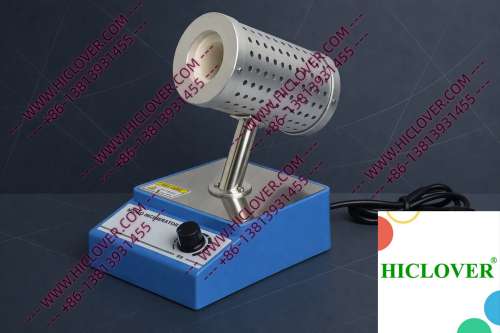
Traditional sterilization methods like alcohol lamps or Bunsen burners have long been utilized in laboratories, but they come with their own set of challenges. These systems can produce open flames, posing risks of burns and explosions, especially in laboratories with volatile substances. In contrast, the infrared loop sterilizer operates on a clean, efficient thermal mechanism that eliminates these hazards, enabling researchers to maintain a safer and more controlled working environment.
Technical Principle: How Infrared Loop Sterilizers Work
The design of the Micro Incinerator is rooted in its unique technical principles. It features an enclosed ceramic heating chamber that utilizes infrared technology for rapid thermal sterilization. When the inoculating loop is inserted into this chamber, infrared radiation rapidly elevates its temperature, ensuring thorough disinfection in mere seconds. This method exposes the loop to high temperatures while minimizing aerosol generation, thus protecting lab personnel from contamination risks.
Key Features of Infrared Inoculating Loop Sterilizers
- Rapid Sterilization: Achieve complete sterilization in 3-5 seconds.
- High Safety Standards: Flame-free operation ensures safer lab environments.
- Contamination Control: Eliminates aerosol risk, crucial in BSL-2 and BSL-3 laboratories.
- Sustainable Design: Reduces the need for disposable loop systems.
Applications in Real Labs
1. University Teaching Labs
In the educational sphere, universities in Cairo are embracing infrared loop sterilizers in their microbiology teaching labs. Students are trained to perform aseptic techniques while instilling robust biosafety practices. The incorporation of these sterilizers allows for a safer learning environment where students can focus on mastering essential techniques without the distractions and dangers associated with traditional flame sterilization methods.
2. Clinical Diagnostics and BSL-2 Laboratories
In clinical diagnostics, especially within BSL-2 laboratories, the use of Micro Incinerators ensures strict adherence to biosafety standards. These labs often handle pathogenic samples that require stringent sterilization protocols to prevent contamination. The rapid sterilization capabilities of the infrared systems complement the rigorous lab workflows while ensuring compliance with local and international health regulations prescribed by WHO and other governing bodies.
Compliance and Environmental Considerations
One of the significant advantages of Micro Incinerators over traditional flame sterilizers is their compliance with laboratory sterilization standards, particularly in cleanroom environments where open flames are prohibited. WHO guidelines on laboratory safety emphasize the importance of maintaining a contamination-free workspace, and infrared sterilizers align perfectly with these regulatory frameworks.
Moreover, using these modern sterilization devices minimizes environmental impact. Traditional flame sterilization not only consumes more energy but also releases particulates that can compromise air quality. In contrast, infrared loop sterilizers operate more efficiently, conserving energy while maintaining high disinfection standards.
Comparison of Micro Incinerators and Traditional Flame Sterilizers
| Feature | Micro Incinerator | Flame Sterilizers |
|---|---|---|
| Sterilization Speed | 3-5 seconds | Varies (often longer) |
| Safety | Flame-free | Open flames (risk of fire) |
| Environmental Impact | Lower (energy-efficient) | Higher (gas and particles emission) |
| Aerosol Generation | Minimal | Potentially high |
FAQs
- What is a Micro Incinerator?
A Micro Incinerator, or Infrared Inoculating Loop Sterilizer, is a device designed to rapidly sterilize inoculating loops using infrared heat in a flame-free manner. - How does an infrared sterilizer improve lab safety?
It eliminates the use of open flames, reducing the risk of burns and explosions, and minimizes aerosol generation, making it safer for lab personnel. - What types of laboratories benefit from using Micro Incinerators?
BSL-2 and BSL-3 labs, clinical diagnostics, and university teaching labs can all benefit from the efficiency and safety of these sterilizers. - Are there any regulatory compliance requirements for laboratory sterilizers?
Yes, they must adhere to WHO biosafety and sterilization standards, particularly in cleanrooms and laboratories working with hazardous materials. - Can I use Micro Incinerators for field testing?
Yes, these devices are portable and ideally suited for field testing applications where rapid and safe sterilization is needed.
Conclusion
The transition to advanced sterilization equipment, such as Micro Incinerators, marks a significant leap forward in enhancing laboratory safety and efficiency in Cairo’s research landscape. By prioritizing innovative solutions that prioritize contamination control and comply with stringent biosafety standards, research institutions can significantly improve their sterilization workflows. If you’re looking to enhance your laboratory’s hygiene with cutting-edge sterilization technology, contact us today to explore your options and obtain high-quality Micro Incinerators for your facility.
Categories:
Tags: