
In today’s fast-paced research environment, laboratories face a range of biosafety challenges that necessitate rapid and effective sterilization solutions. With traditional methods often falling short in terms of efficiency and safety, the demand for innovative sterilization equipment has surged. Particularly, the laboratory sector is witnessing a shift towards electric heating sterilizers such as the Micro Incinerator or Infrared Inoculating Loop Sterilizer. These advanced devices not only offer improved contamination control but also align with stringent safety standards essential in various laboratory settings.
Technical Principles of Electric Heating Sterilizers
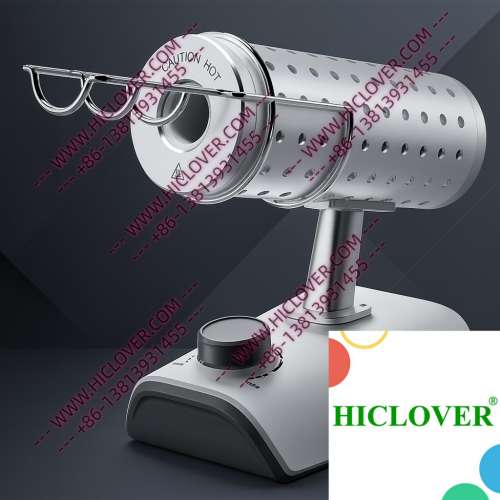
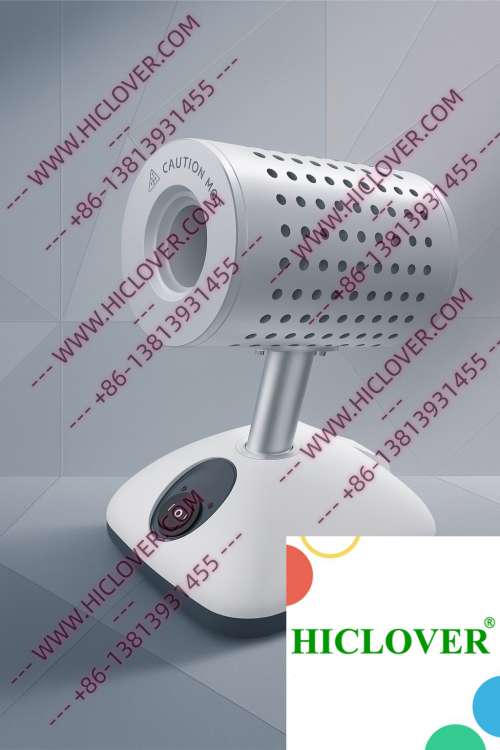
The Micro Incinerator operates on the principle of infrared heating, which is pivotal in achieving high-temperature disinfection reliably. This technology generates rapid thermal sterilization through an enclosed ceramic heating chamber, designed to create uniform heat distribution. Unlike traditional flame-based methods, the infrared sterilizer operates without the risk of open flames, yielding a safe and aerosol-free environment for handling microbiological samples.
- Infrared Heat: Direct and efficient application of heat that sterilizes loops and other instruments rapidly.
- Enclosed Ceramic Tube: Provides controlled heating, reducing contamination risks associated with open flames.
- Rapid Thermal Sterilization: Ensures instruments reach sterilization temperature almost instantly, enhancing workflow.
Applications in Laboratory Environments
Electric heating sterilizers have versatile applications in various laboratory settings, meeting specific sterilization requirements with high efficiency. Here, we explore two principal use cases:
Biosafety Cabinet Integration
In BSL-2 and BSL-3 microbiology labs, the need for stringent contamination control is paramount. Electric heating sterilizers serve as essential tools in biosafety cabinets, allowing researchers to sterilize inoculating loops and other implements without compromising the sterile environment. The ability to quickly sterilize tools right within the working area minimizes the transfer of contaminants to and from the cabinet, preserving sample integrity and lab safety.
Teaching Laboratories
University teaching labs frequently incorporate these devices into their instructional protocols, allowing students to engage in microbiology practicals effectively. The ability to use a Micro Incinerator fosters an understanding of sterilization principles without the hazards of flame-based methods. Instructors can focus on teaching proper lab techniques while assuring students of their safety in the lab environment.
Compliance with Safety Standards
The rising prominence of electric heating sterilizers in laboratory settings is also driven by compliance with international biosafety standards, such as those recommended by the World Health Organization (WHO). In clean rooms, where contamination can severely compromise research outcomes, the absence of open flames is crucial. Equipment like the Micro Incinerator meets lab sterilization standards by providing a reliable and safe method of disinfection while reducing the risk of fire hazards associated with traditional flame methods.
| Features | Micro Incinerator | Flame Sterilizers |
|---|---|---|
| Heat Source | Infrared | Open Flame |
| Safety | No open flame, reduced aerosol risks | Fire hazards, aerosol generation |
| Efficiency | Rapid thermal sterilization | Variable heating times |
| Ease of Use | Simple operation with power controls | Requires skill to manage flame |
Frequently Asked Questions
What is the primary advantage of using a Micro Incinerator over traditional flame sterilizers?
The Micro Incinerator offers enhanced safety as it eliminates open flames, making it suitable for sensitive laboratory environments, such as clean rooms and biosafety cabinets.
In which laboratory settings is the Micro Incinerator most beneficial?
It is particularly advantageous in BSL-2/BSL-3 microbiology labs, teaching labs, and mobile field testing operations where contamination control is critical.
How quickly does the Micro Incinerator achieve sterilization?
Thanks to its infrared heating technology, the Micro Incinerator can achieve sterilization temperatures in seconds, significantly improving workflow efficiency.
Are there any specific maintenance requirements for these sterilizers?
Minimal maintenance is needed, primarily keeping the ceramic heating chamber clean and ensuring proper power connection. Regular inspection is recommended for operational safety.
Can this equipment be used in conjunction with other sterilization methods?
Yes, the Micro Incinerator can complement other sterilization strategies by providing quick sterilization of tools that can then be used within a broader sterile technique framework.
Conclusion
As the landscape of laboratory sterilization evolves, the Micro Incinerator and similar electric heating sterilizers stand out as pivotal innovations. Their ability to provide rapid, efficient, and safe sterilization meets the rigorous demands of modern laboratories, enabling researchers and educators alike to focus on their primary tasks without the looming threat of contamination. For laboratories seeking to enhance their sterilization workflow and comply with international safety standards, investing in a Micro Incinerator is a necessary step towards modernization. Contact us today to explore further options and make an informed decision for your laboratory needs.
Categories:
Tags: