
In the realm of laboratory biosafety, the need for efficient sterilization has never been more crucial. Modern research labs face unique challenges, especially when it comes to contamination control and the demand for rigorous sterilization workflows. With traditional flame sterilizers, such as Bunsen burners and alcohol lamps, safety and efficiency can be compromised. Enter the Micro Incinerator / Infrared Inoculating Loop Sterilizer, a game-changing solution that not only meets but exceeds contemporary sterilization requirements.
Understanding the Micro Incinerator: Technical Principles
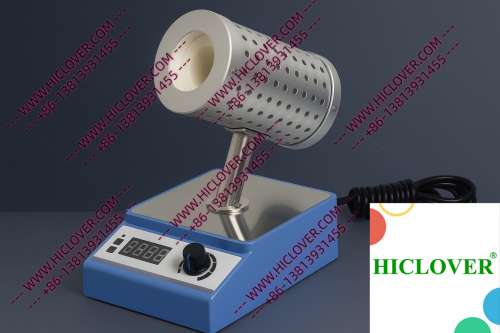
The Micro Incinerator operates on a revolutionary principle that leverages infrared heat for rapid thermal sterilization. Unlike conventional flame-based methods, it employs an enclosed ceramic heating chamber that reaches high temperatures quickly and efficiently. This innovative design eliminates the risk of open flames and associated aerosol production, delivering a safer working environment for laboratory personnel.
When an inoculating loop is inserted into the Micro Incinerator, it is subjected to intense infrared heat, rapidly killing microbial life. The ceramic tube design insulates the heat, concentrating it precisely where it’s needed most. This ensures thorough sterilization without the mess and hazards that come along with traditional flame sterilizers.
Applications in Laboratory Settings
1. Biosafety Cabinets
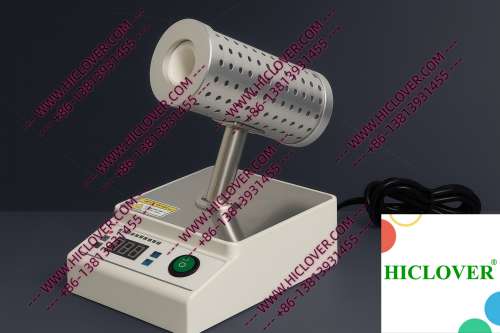
In BSL-2 and BSL-3 microbiology labs, where high-level biosafety is paramount, the Micro Incinerator shines. Integrated into biosafety cabinets, it delivers effective disinfection of inoculating loops and other small tools utilized in handling pathogens. Its aerosol-free operation minimizes contamination risks, allowing researchers to maintain sterile conditions without compromising safety.
2. Field Testing and Mobile Labs
Mobile or field testing labs often operate in varied environments, making equipment versatility and reliability essential. The portable nature of the Micro Incinerator allows researchers to conduct on-site sterility checks safely. In addition to ensuring that tools are sanitized before they come into contact with samples, it also minimizes logistical hurdles, such as needing a constant power supply, frequently found in remote locations.
Biosafety Compliance and Environmental Considerations
Adhering to internationally recognized regulations such as the WHO biosafety guidelines is non-negotiable for any high-level research facility. The Micro Incinerator stands out as a compliant solution to laboratory sterilization standards, particularly in clean rooms where open flames are prohibited. Its design ensures that emissions remain minimal, aligning with global environmental standards for laboratory practices. Moreover, it helps in maintaining the integrity of clean-bench operations by preventing contamination through aerosol generation.
Comparison with Traditional Flame Sterilizers
| Features | Micro Incinerator | Flame Sterilizers |
|---|---|---|
| Operating Temperature | Up to 1000°C | Varies (typically < 800°C) |
| Aerosol Production | No | Yes |
| Portability | High | Moderate |
| Compliance | Meets WHO and EPA standards | May not meet clean room standards |
Frequently Asked Questions
- Q: How does a Micro Incinerator ensure quick sterilization?
- A: It uses infrared heat, which rapidly elevates the temperature of the inoculating loop, achieving sterilization in seconds.
- Q: Can the Micro Incinerator be used in BSL-3 labs?
- A: Yes, its aerosol-free handling and minimal contamination risk make it an ideal choice for BSL-3 environments.
- Q: What are the benefits of using a Micro Incinerator over traditional methods?
- A: It offers increased safety, faster sterilization times, lower environmental impact, and compliance with stringent laboratory standards.
- Q: Is there a risk of burns when using a Micro Incinerator?
- A: While the device reaches high temperatures, safety features and proper usage mitigate burn risks, unlike open flames.
- Q: What is the recommended maintenance for a Micro Incinerator?
- A: Routine checks for ceramic wear and ensuring the heating element is clean will prolong the device’s lifecycle.
Conclusion
As laboratories navigate the complexities of biosafety, the introduction of advanced sterilization equipment like the Micro Incinerator represents a significant leap forward. Its blend of efficiency, safety, and compliance with biosafety regulations makes it an invaluable asset in any research setting. Whether you are involved in clinical diagnostics, educational training, or field studies, incorporating a Micro Incinerator can streamline sterilization processes and enhance lab safety. Consider making the switch to this innovative sterilization solution today to optimize your laboratory workflows.
Categories:
Tags: