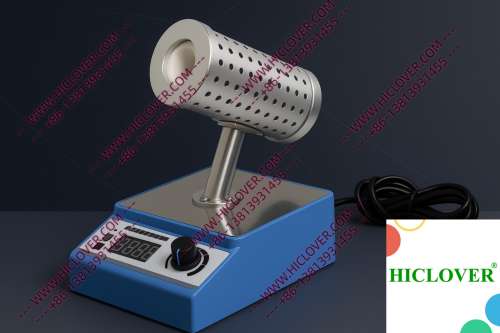
In contemporary laboratory environments, the need for effective sterilization methods has never been more critical. Researchers face biosafety challenges daily, requiring reliable solutions for contamination control in laboratories, particularly in sensitive settings like BSL-2 and BSL-3 microbiology labs, university teaching laboratories, and even in field testing scenarios. Traditional methods, such as alcohol lamps and Bunsen burners, have significant drawbacks, including the generation of aerosols and the risk of open flames within clean environments. Enter the Micro Incinerator / Infrared Inoculating Loop Sterilizer—a cutting-edge approach utilizing flameless ceramic heating technology that is changing the landscape of laboratory sterilization.
Understanding the Technology Behind Flameless Ceramic Heating
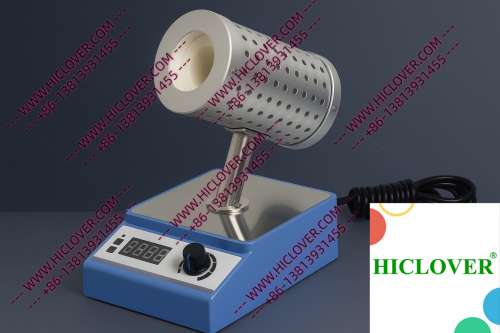
The Micro Incinerator is designed with an enclosed ceramic heating chamber that harnesses the principles of infrared heat to achieve rapid thermal sterilization. This sterilizer focuses energy, allowing for precise and immediate disinfection without the hazards associated with open flames. As the infrared heating element reaches high temperatures, it effectively sterilizes inoculating loops, needles, and other tools in mere seconds, reducing downtime and enhancing workflow efficiency.
This innovative approach addresses key demands in laboratory sterilization workflows. The use of enclosed ceramic tubes minimizes the risk of contamination that can arise from using open flame devices, making it ideal for environments requiring strict biosafety measures, such as operating within a biosafety cabinet or alongside a CO₂ incubator.
Applications of Micro Incinerator in Real Laboratories
- Biosafety Cabinets: In labs where maintaining a sterile environment is crucial, the Micro Incinerator fits seamlessly within biosafety cabinets. Researchers can quickly sterilize inoculating loops without compromising the integrity of their sterile workspace.
- Teaching Laboratories: Academic settings benefit tremendously from this technology. With the Micro Incinerator, students can learn distribution techniques safely and effectively, allowing for hands-on experience with rigorous safety standards applied.
- Field Testing Labs: The portability of the Micro Incinerator makes it ideal for mobile labs. Researchers conducting field tests can rely on its flameless design to ensure both safety and sterilization efficacy without the need for bulky equipment.
- How long does it take to sterilize an inoculating loop using the Micro Incinerator?
The Micro Incinerator can sterilize an inoculating loop in just a few seconds, ensuring rapid workflow improvement. - Is the Micro Incinerator safe to use in a biosafety cabinet?
Yes, its flameless design makes it an ideal choice for maintaining sterile conditions within a biosafety cabinet. - What are the maintenance requirements for the Micro Incinerator?
Maintenance is minimal; regular cleaning of the ceramic heating element and ensuring proper function is typically sufficient. - Can I use the Micro Incinerator in field labs?
Absolutely! The portable design allows for easy transport and use in various field testing environments. - What standards does the Micro Incinerator comply with?
The Micro Incinerator adheres to international biosafety standards and laboratory sterilization guidelines.
Compliance and Environmental Considerations
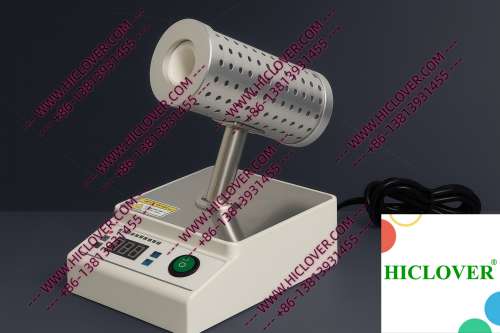
Adhering to biosafety standards laid out by organizations like the WHO and complying with laboratory sterilization standards is imperative in ensuring both safety and effectiveness. Traditional flame sterilizers can pose a significant risk in clean rooms due to open flames and combustible materials. The Micro Incinerator, on the other hand, eliminates this hazard while maintaining compliance with safety regulations, thus providing peace of mind for laboratory professionals.
This technology aligns with initiatives aimed at reducing lab-related accidents and environmental hazards, especially in urban settings like San Francisco, where stringent safety regulations govern laboratory practices. The flameless operation also enhances aerosol-free handling, reducing the chances of airborne contamination.
Comparison of Sterilization Devices
| Feature | Micro Incinerator | Traditional Flame Burners |
|---|---|---|
| Heat Source | Infrared ceramic | Open flames |
| Contamination Risk | Low | High (aerosol generation) |
| Operational Efficiency | Rapid (seconds) | Varies (longer time) |
| Mobility | Portable | Bulky |
| Usage in Clean Rooms | Safe | Not recommended |
FAQs About Micro Incinerators
Conclusion
The evolution of sterilization practices through innovations like the Micro Incinerator / Infrared Inoculating Loop Sterilizer marks a pivotal step forward in laboratory safety and efficiency. By leveraging flameless ceramic heating technology, laboratories can enhance contamination control while complying with strict biosafety standards. Whether you’re operating in a university teaching lab, navigating the complexities of a BSL-3 facility, or conducting field tests, this technology offers a reliable, safe, and effective solution. If you’re interested in learning more or wish to place an order, do not hesitate to reach out for further information!
Categories:
Tags: