
In today’s rapidly changing world, laboratory biosafety is of paramount importance, especially in settings where rapid response to disaster relief is needed. Effective sterilization of equipment and materials must occur without compromising the integrity of the laboratory environment or safety of users. Traditional flame sterilization techniques, such as alcohol lamps and Bunsen burners, can present unintentional hazards, particularly in cleanroom environments. This is where the Micro Incinerator, specifically the Infrared Inoculating Loop Sterilizer, becomes a game-changer for researchers and technicians working under high stakes.
Understanding the Technology Behind Micro Incinerators
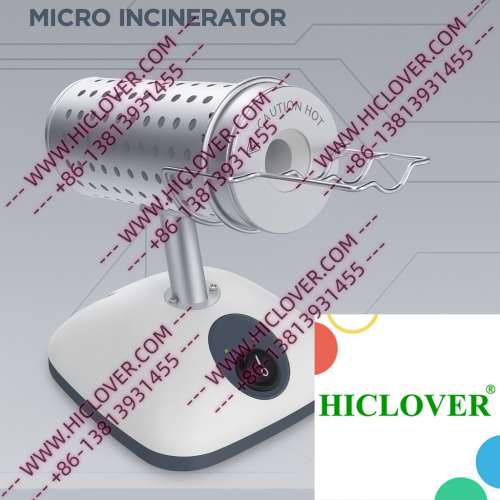
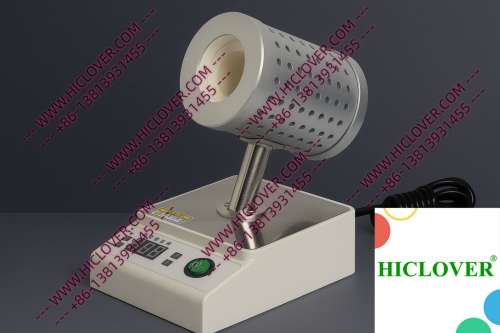
Micro Incinerators operate on the principle of rapid thermal sterilization using infrared heat, a method that provides a clean, efficient, and convenient way to achieve disinfection. The core of the device consists of an enclosed ceramic heating chamber that reaches high temperatures in a matter of seconds. By directing infrared rays to the inoculating loop or tool, it ensures aerosol-free handling and avoids the risks associated with open flames.
Key Features of Micro Incinerators
- Instant Heat Activation: No waiting for the flame to ignite or stabilize.
- Clean-Bench-Safe: Enhances cleanliness by eliminating flammable alcohol or open flames.
- Compliance with Safety Standards: Meets government and WHO biosafety requirements.
- Versatile Applications: Suitable for use in various laboratory settings, including BSL-2 and BSL-3 environments.
- Potential for aerosol contamination
- Increased fire hazards
- Inconsistent sterilization processes
- ISO 13485 for medical devices
- ASTM standards for laboratory equipment safety
- FDA regulations regarding biosafety and sterilization methods
Application Scenarios: Real-world Uses in Laboratories
1. Field Testing Laboratories
In mobile or field testing labs, where space and resources may be limited, the Micro Incinerator provides an efficient method for sterilizing samples and instruments on-site. Unlike flame sterilizers, which can be hazardous in these environments, the Micro Incinerator ensures a safe sterilization process, allowing for immediate reuse of inoculating loops without fear of cross-contamination. This capability is essential in disaster scenarios where time is of the essence, and delays can lead to health risks.
2. University Teaching Labs
In educational settings, the Micro Incinerator serves as an ideal teaching tool for sterile techniques. Students learn the importance of biosafety and contamination control in microbiology without the dangers posed by traditional flame-sourced methods. The precise temperature control offered by the infrared sterilizer ensures that microbial agents are effectively neutralized, allowing for safer hands-on education.
Compliance with Biosafety Standards
The WHO has laid out strict guidelines for laboratory biosafety that emphasize the necessity of reliable sterilization methods. In environments such as clean rooms or laboratories handling infectious agents, the risks associated with open flames include:
On the contrary, Micro Incinerators are compliant with numerous standards for laboratory sterilization equipment. These include:
Advantages Over Traditional Flame Sterilizers
| Feature | Micro Incinerator | Traditional Flame Sterilizers |
|---|---|---|
| Operating Speed | Instant heat activation | Time-consuming ignition |
| Safety | Aerosol-free, no open flame | High risk of fire hazards |
| Efficiency | High-temperature disinfection | Variable flame intensity |
| Mobility | Compact and portable | Bulkier and less mobile |
FAQs About Micro Incinerators
1. What is a Micro Incinerator used for?
Micro Incinerators are used for rapid sterilization of inoculating loops and other small laboratory tools, particularly in microbiology labs.
2. How does an Infrared Inoculating Loop Sterilizer work?
It uses infrared heat to quickly and efficiently sterilize tools by raising their temperature to a point that kills bacteria and other microorganisms without producing contamination through aerosols.
3. Can Micro Incinerators be used in field labs?
Yes, Micro Incinerators are ideal for field labs, where space and resources are limited, providing safe and efficient sterilization without open flames.
4. Are Micro Incinerators compliant with laboratory standards?
Yes, they comply with various international laboratory safety and sterilization standards set by organizations like WHO and FDA.
5. What are the advantages of using a Micro Incinerator over a traditional flame source?
They provide instant heat, reduce fire hazards, increase efficiency, and eliminate the risks of aerosol contamination.
Conclusion
As laboratory professionals seek safer, more efficient ways to manage sterilization processes, the Micro Incinerator emerges as a robust solution within disaster relief efforts, educational institutions, and clinical diagnostics. Its advanced design offers a clear edge over traditional flame sterilization methods in terms of safety, speed, and compliance with essential sterilization standards. Investing in a Micro Incinerator not only enhances biosafety practices but also strengthens the overall workflow of critical laboratory operations. Contact us today to find out more about our advanced sterilization solutions!
Categories:
Tags: