
In the bustling realm of urban laboratory environments, biosafety challenges frequently arise, demanding effective sterilization solutions. Traditional methods, while effective, often fall short due to their reliance on flames and the risk of generating hazardous fumes and odors. For modern laboratories focusing on rapid thermal sterilization and contamination control, odorless micro incinerators, specifically the Micro Incinerator / Infrared Inoculating Loop Sterilizer, present a myriad of benefits, streamlining sterilization workflows with clean and efficient operations.
Understanding the Technical Principles

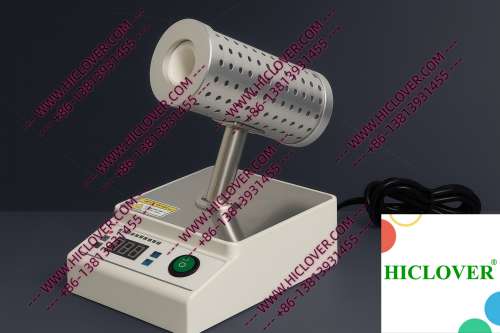
The Micro Incinerator utilizes cutting-edge infrared heat technology to achieve rapid sterilization. It consists of an enclosed ceramic tube that reaches high temperatures, effectively providing thermal disinfection without the need for an open flame. Infrared rays efficiently penetrate surfaces, ensuring that microorganisms are eradicated without the production of harmful aerosols or odors associated with traditional sterilization techniques like alcohol lamps or Bunsen burners.
This technology enables precise control over the sterilization process—operators can achieve consistent high-temperature disinfection, which is crucial in environments that require stringent biosafety standards.
Applications in Real Laboratories
The versatility of the Micro Incinerator makes it indispensable across various laboratory settings. Here are two notable scenarios:
-
Biosafety Cabinets in BSL-2/BSL-3 Microbiology Labs:
In high-containment laboratories, ensuring a contaminant-free environment is paramount. Micro incinerators are often integrated into biosafety cabinets, where they swiftly sterilize inoculating loops and other instruments within the sterile airflow, thereby reducing the risk of cross-contamination. -
Field Testing and Mobile Labs:
When conducting field tests, scientists require portable solutions that do not compromise on safety or efficiency. The odorless nature of micro incinerators allows for safe in-field sterilization, requiring no external flame sources, thus increasing mobility and ensuring compliance with local regulations.
Compliance and Environmental Standards
Compliance with global biosafety standards is crucial for laboratory operations. Institutions often look towards guidelines set by organizations such as the World Health Organization (WHO) for biosafety in laboratories. The Micro Incinerator aligns with these standards by providing effective sterilization without producing hazardous byproducts that could compromise clean room integrity.
Moreover, the absence of an open flame in clean rooms is a significant advantage. This characteristic minimizes the risk associated with flammable substances, making it ideal for sensitive laboratory environments such as those using CO₂ incubators or anaerobic chambers.
Comparative Analysis: Micro Incinerator vs. Traditional Flame Sterilizers
| Feature | Micro Incinerator | Flame Sterilizers (e.g., Bunsen burners) |
|---|---|---|
| Odor | Odorless | Produces fumes |
| Safety | No open flame | Risk of burns |
| Portability | Highly portable | Requires stable setup |
| Operating Cost | Low energy consumption | High maintenance expected |
| Efficiency | Rapid thermal sterilization | Slower heat up time |
Frequently Asked Questions
-
What are the key advantages of using a Micro Incinerator in my lab?
The Micro Incinerator offers a rapid, odorless sterilization process with no open flame, making it safer and more efficient compared to traditional methods. -
Can the Micro Incinerator be used in a clean room environment?
Yes, its design is suitable for clean rooms due to the absence of flames and odors, adhering to strict biosafety standards. -
What are the maintenance requirements for a Micro Incinerator?
The device requires minimal maintenance, primarily checking the ceramic tube for wear and tear and ensuring the heating elements function properly. -
Is the Micro Incinerator portable for field testing?
Absolutely! The Micro Incinerator is designed to be highly portable for use in various field testing situations where standard sterilization methods may not be feasible. -
How does infrared sterilization differ from traditional flaming methods?
Infrared sterilization eliminates the need for flames, ensuring a safer work environment by reducing the risks associated with fire hazards and environmental contamination.
Conclusion: Step into the Future of Lab Sterilization
With their ability to provide efficient, safe, and odor-free sterilization, Micro Incinerators stand at the forefront of modern laboratory equipment. They not only meet demanding biosafety standards but also enhance the overall workflow in various lab settings. Whether you operate a university teaching lab, a clinical diagnostics facility, or engage in field testing, integrating a Micro Incinerator into your sterilization practices could significantly improve safety and efficiency.
Don’t miss the opportunity to enhance your lab’s biosafety and operational effectiveness. Contact us today for more information on acquiring a Micro Incinerator for your facility!
Categories:
Tags: