
In the world of laboratory biosafety, achieving rapid and effective sterilization is paramount to minimizing contamination risks and ensuring a sterile working environment. This is especially true in Nepal, where laboratories often face unique challenges, from limited resources to high demand for pathogen handling. The integration of modern sterilization equipment, particularly the Micro Incinerator, also known as Infrared Inoculating Loop Sterilizer, represents a progressive step towards addressing these biosafety challenges.
Improving Laboratory Biosafety with Micro Incinerators
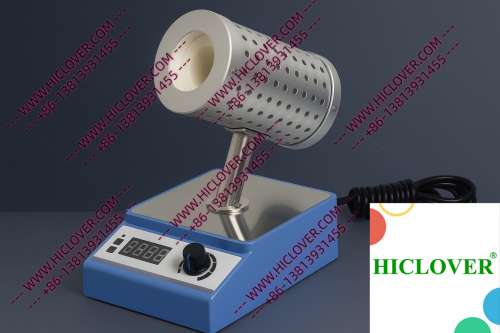
Micro Incinerators offer a sophisticated alternative to traditional flame sterilizers, such as alcohol lamps and Bunsen burners. Through the use of infrared heat, these devices deliver a controlled and enclosed sterilization environment, significantly reducing the risks associated with flame usage. The enclosed ceramic tube not only enhances safety by preventing flame-related accidents but also ensures rapid thermal sterilization of inoculating loops and other laboratory instruments.
Key Technical Principles
The Micro Incinerator operates on the principle of infrared high-temperature disinfection, generating temperatures that effectively eliminate microbial contaminants without producing harmful aerosols. This technology is especially beneficial for clean-room environments where aerosol-free handling is crucial. The ceramic heating chamber allows for instant heating and cooling cycles, thereby facilitating efficient workflow in laboratory settings.
Applications of Micro Incinerators in Real Laboratories
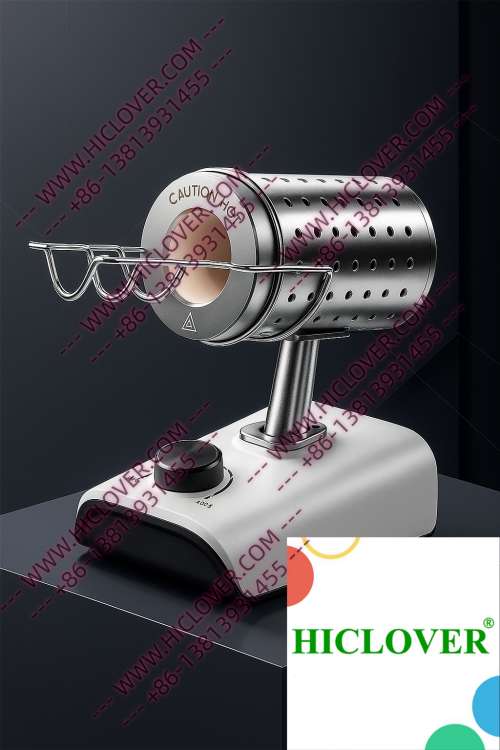
- Biosafety Cabinets: In BSL-2 and BSL-3 laboratories, where biological hazards pose serious threats, the Micro Incinerator effectively sterilizes inoculating loops and tools used for handling pathogens. Its design eliminates the open flame, ensuring that the biosafety cabinet’s internal environment remains uncontaminated.
- Field Testing Labs: For field testing scenarios, such as those often conducted for clinical diagnostics or mobile health initiatives, Micro Incinerators provide a portable solution for sterilization needs. Their compact design allows for easy transport without compromising on safety or efficiency.
Compliance with International Sterilization Standards
It’s crucial for laboratories, particularly in developing regions like Nepal, to adhere to compliance and sterilization standards set forth by the World Health Organization (WHO). These regulations emphasize the importance of effective contamination control methods in laboratory settings. Using Micro Incinerators aligns with WHO biosafety recommendations, as the absence of an open flame in clean rooms prevents movement of air that could lead to contamination. Furthermore, compliance with local health regulations enhances trust and reliability in laboratory results, helping to safeguard public health.
Micro Incinerator vs. Traditional Flame Sterilizers
| Feature | Micro Incinerator | Traditional Flame Sterilizers |
|---|---|---|
| Heating method | Infrared heat | Open flame |
| Safety | Low risk of fire | High risk of fire-related accidents |
| Contamination control | Aerosol-free handling | Potential aerosol hazards |
| Portability | Highly portable | Less portable |
| Temperature control | Rapid response | Variable response time |
Benefits of Using Micro Incinerators Over Traditional Methods
The advantages of employing Micro Incinerators extend beyond mere safety enhancements. Laboratories benefit from:
- Increased efficiency in sterilization workflows.
- Reduced risks of contamination in sensitive experiments.
- Streamlined training processes for new lab personnel.
Frequently Asked Questions
What is a Micro Incinerator and how does it work?
A Micro Incinerator is a laboratory sterilization device that uses infrared heat to sterilize inoculating loops and other instruments in an enclosed ceramic tube. Its efficient heating mechanism allows for rapid thermal sterilization without the risks associated with open flames.
How does the Micro Incinerator improve safety in the lab?
The Micro Incinerator eliminates the use of open flames, significantly reducing the risk of fire-related accidents. Its design also prevents aerosol generation, promoting a cleaner and safer laboratory environment.
Is the Micro Incinerator suitable for field tests?
Yes, the portability and compact design of the Micro Incinerator make it an excellent choice for field testing applications, where reliable sterilization is necessary.
What compliance standards does the Micro Incinerator meet?
The Micro Incinerator aligns with WHO biosafety standards and local lab sterilization guidelines, ensuring that its usage promotes safe and effective laboratory practices.
Are Micro Incinerators easy to use for new lab personnel?
Absolutely! The design of the Micro Incinerator simplifies the sterilization process, making it easy for new lab personnel to learn and practice without the complexities associated with traditional flame sterilizers.
Conclusion: A Step Forward with Micro Incinerators
The integration of Micro Incinerators in laboratories, especially in developing countries like Nepal, is a significant advancement in the realm of biosafety and sterilization efficiency. By prioritizing safety and compliance, laboratories can enhance their operational workflows while ensuring high-quality results. If you are interested in investing in modern sterilization solutions, we encourage you to contact us for more information on our Micro Incinerator models. Together, let’s foster a safer and more efficient laboratory environment.
Categories:
Tags: