
In the evolving landscape of laboratory operations, maintaining biosafety while ensuring efficiency presents critical challenges. With the rise of advanced diagnostics and increased volume of biological samples, the demand for reliable sterilization methods has never been higher. Among various sterilization solutions, the Infrared Inoculating Loop Sterilizer, commonly known as the Micro Incinerator, has emerged as a valuable asset in modern laboratories, combining efficiency with enhanced safety protocols.
Understanding the Technical Principles
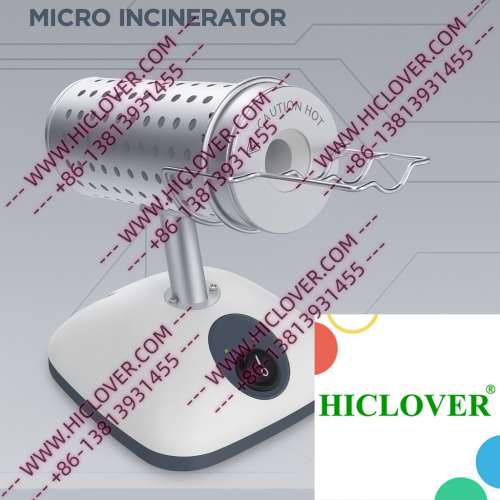
The Micro Incinerator utilizes an innovative approach to sterilization through the use of infrared heat. This device features an enclosed ceramic heating chamber that provides a rapid thermal sterilization process, achieving effective disinfection in a matter of seconds. It is designed to efficiently eliminate biological contaminants without the risk associated with traditional flame-based methods.
Unlike alcohol lamps or Bunsen burners, which can introduce risks such as aerosol contamination and uncontrolled heat, the ultrasonic precision of the Micro Incinerator leads to a clean-bench-safe work environment. The ability to handle inoculating loops and other tools without flame minimizes the potential for cross-contamination, making it ideal for sensitive applications in microbiology and clinical diagnostics.
Applications in Real Laboratory Settings
- Biosafety Cabinets: In BSL-2 and BSL-3 microbiology labs, the use of Micro Incinerators allows for rapid sterilization of inoculating tools while maintaining the integrity of the biosafety cabinet. The compact design ensures that the sterilizer fits seamlessly within workspaces, optimizing safety protocols without disrupting workflow.
- Teaching Labs: University laboratories, particularly in microbiology courses, benefit from the Micro Incinerator’s efficiency and user-friendliness. Instructors can educate students on the importance of contamination control while providing a safe hands-on experience. The rapid sterilization capabilities also allow for more dynamic laboratory sessions with less downtime.
- What types of laboratories benefit the most from using a Micro Incinerator?
Micro Incinerators are particularly beneficial in BSL-2 and BSL-3 microbiology labs, teaching labs, and any setting where contamination control is crucial.
- How does an Infrared Inoculating Loop Sterilizer differ from traditional sterilizers?
The Micro Incinerator uses infrared heat for quick sterilization, which greatly reduces contamination risk compared to the open flames of traditional sterilizers.
- Can I use the Micro Incinerator in a cleanroom environment?
Yes, the no-flame design makes it suitable for sterile environments, as it avoids the risks associated with combustion.
- Is training required for staff to operate a Micro Incinerator?
One of the advantages of the Micro Incinerator is its user-friendly design, requiring minimal training for effective operation.
- Where can I purchase high-quality Micro Incinerators?
You can find authorized distributors and retailers specializing in laboratory equipment in most major cities and online platforms.
Compliance with Global Biosafety Standards
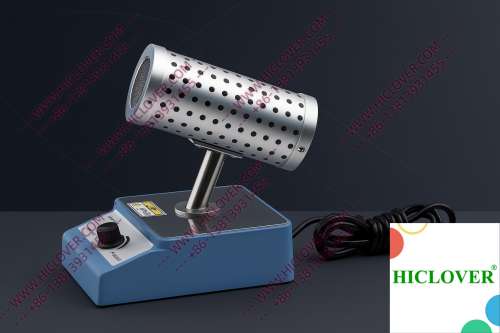
Compliance with international biosafety standards is paramount in laboratory operations. Guidelines set by the World Health Organization (WHO) emphasize the importance of contamination control and sterilization practices in laboratory settings. The Micro Incinerator complies with lab sterilization standards, ensuring that laboratories can operate within legal and safety frameworks. Its no-flame design is particularly critical in clean rooms where traditional burners pose fire hazards and disrupt sterile environments.
For labs operating within sensitive areas, including CO₂ incubators or anaerobic chambers, the infrared inoculating loop sterilizer offers a safer alternative that adheres to stringent safety guidelines. As labs continue to evolve, the integration of such sterilizers will be critical in maintaining a compliant and efficient operating environment.
Comparison Table: Micro Incinerator vs. Traditional Flame Sterilizers
| Feature | Micro Incinerator | Flame Sterilizers |
|---|---|---|
| Heating Method | Infrared high-temperature | Open flame |
| Contamination Risk | Low | High |
| Temperature Control | Precise and rapid | Variable |
| Ease of Use | Simple, no special training | Requires handling instruction |
| Safety in Clean Areas | Yes | No |
FAQs about Micro Incinerators
Conclusion
As laboratory environments become increasingly complex, the importance of reliable and efficient sterilization technologies cannot be overstated. The Micro Incinerator offers a forward-thinking solution to the challenges posed by traditional flame sterilizers. By enhancing workflow efficiency, promoting safety, and adhering to crucial compliance standards, investing in a Micro Incinerator is a pivotal step in modern laboratory practices.
Contact us today to explore our range of Micro Incinerators and discover how our products can enhance your laboratory’s sterilization capabilities.
Categories:
Tags: