
In the biomedical field, laboratory safety is paramount. Researchers and technicians often face significant biosafety challenges, particularly in a country like Angola where waste management poses critical environmental issues. The sterilization of equipment used in microbiological experiments and clinical diagnostics is both a necessity and a challenge—especially with traditional methods that pose risks of contamination and require extensive cleanup. Enter the Micro Incinerator, a revolutionary tool that is changing the laboratory sterilization landscape, not just by improving safety standards but also by tackling the pressing waste crisis in Angola.
The Technical Essentials of Micro Incinerators
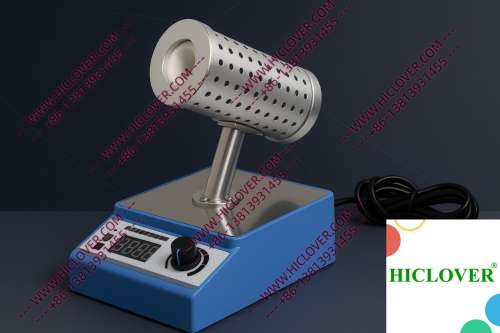
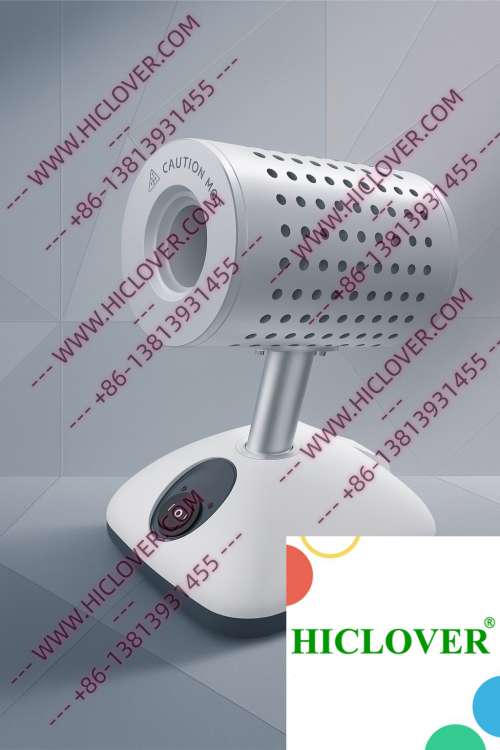
The Micro Incinerator, or Infrared Inoculating Loop Sterilizer, operates on an innovative principle that leverages infrared heat for rapid thermal sterilization. This advanced sterilization equipment features an enclosed ceramic tube that allows for high-temperature disinfection without the need for an open flame. This not only ensures that the sterilization process is efficient but also significantly reduces the risk of fire hazards, making it suitable for use within clean benches or BSL-2 and BSL-3 microbiology lab environments.
Key features of Micro Incinerators include:
- Infrared heating that reaches temperatures of up to 850°C.
- A hermetically sealed ceramic heating chamber ensuring no open flames.
- Compact design suitable for teaching labs and mobile field applications.
- Aerosol-free handling of inoculating loops and other laboratory tools.
- What are the advantages of using Micro Incinerators over traditional flame sterilizers?
Micro Incinerators offer rapid thermal sterilization without the risks associated with flames, making them safer and more suitable for sensitive lab environments. - Can Micro Incinerators be used in field testing settings?
Yes, their compact design makes them ideal for mobile or field testing labs where space and safety are paramount. - How do Micro Incinerators comply with WHO biosafety standards?
They eliminate the risks associated with open flames and enhance contamination control protocols, aligning with WHO standards for biosafety. - What types of laboratories benefit from using Micro Incinerators?
BSL-2 and BSL-3 labs, clinical diagnostic facilities, and educational institutions can all greatly benefit from incorporating this technology. - Are Micro Incinerators easy to use and maintain?
Yes, they are user-friendly and require minimal maintenance, making them a convenient choice for busy laboratories.
Practical Applications in Laboratories
Micro Incinerators are making their mark in various laboratory settings across Angola and beyond, playing an essential role in a modern sterilization workflow.
1. Clinical Diagnostics
In a clinical diagnostic lab, the necessity of stringent sterilization processes cannot be overstated. Staff can use Micro Incinerators to sterilize inoculating loops quickly and safely, ensuring minimal risk of contamination. This rapid sterilization contributes to accurate test results, which is critical in patient diagnosis and treatment plans.
2. University Teaching Labs
In a university setting, students can learn best practices in laboratory biosafety by using Micro Incinerators. Instructors can demonstrate the advantages of efficient sterilization techniques while emphasizing safety protocols. Furthermore, the compact size allows these devices to be integrated into existing lab setups without extensive redesign.
Compliance and Environmental Standards
The global health landscape is evolving with stricter guidelines on biosafety. The World Health Organization (WHO) establishes biosafety standards that laboratories must adhere to in order to mitigate risks associated with biological research. Flame sterilizers, such as alcohol lamps and Bunsen burners, can produce contaminants and are not suitable for use in clean rooms. In contrast, Micro Incinerators provide clean, efficient sterilization suitable for compliance with both WHO guidelines and laboratory sterilization standards.
In Angola, reducing environmental pollution from laboratory waste is particularly urgent. Waste generated from traditional sterilization methods can contribute to larger waste management problems. Utilizing Micro Incinerators may aid in transforming the waste into less harmful byproducts, thereby promoting a more sustainable approach to environmental management in the healthcare sector.
Comparison: Micro Incinerator vs. Traditional Flame Sterilizers
| Feature | Micro Incinerator | Traditional Flame Sterilizer |
|---|---|---|
| Heat Source | Infrared (up to 850°C) | Open Flame |
| Safety | No open flame; reduced risk of fire | Fire hazards present; not suitable for clean rooms |
| Environmental Impact | Reduces laboratory waste | Contributes to waste management issues |
| Training Requirements | User-friendly, minimal training needed | Requires more extensive safety training |
Frequently Asked Questions
Conclusion
In light of Angola’s dual challenges of laboratory safety and waste management, Micro Incinerators represent a powerful solution for the future. By integrating these advanced sterilization devices into various labs, institutions can not only enhance their biosafety protocols but also contribute towards a more sustainable environment. For hospitals, research centers, and educational institutions looking to improve their sterilization workflows, investing in a Micro Incinerator is an ideal approach. For inquiries and to explore our range of products, don’t hesitate to reach out!
Categories:
Tags: