
In modern laboratories, especially those working with pathogenic microorganisms, achieving and maintaining optimal microbial cultures is a critical challenge. Laboratories must effectively manage contamination control during culturing processes, thereby ensuring the integrity of their findings. One significant aspect of this process includes the sterilization of inoculation loops, which are integral in transferring microorganisms to culture media. Choosing the right sterilization equipment is paramount. Enter the Micro Incinerator / Infrared Inoculating Loop Sterilizer, an advanced tool that offers rapid thermal sterilization without the risks associated with traditional flame sterilizers.
The Need for Advanced Sterilization Equipment
Traditional flame sterilizers, such as Bunsen burners and alcohol lamps, have long been the standard in sterilization practices. However, these methods pose several challenges, particularly in terms of safety and efficiency. Flame sterilizers can introduce aerosolized contaminants into sterile environments, creating risks in BSL-2 or BSL-3 microbiology labs. Additionally, they require careful handling and constant adjustment, wasting time and resources.
Technical Principles Behind the Micro Incinerator
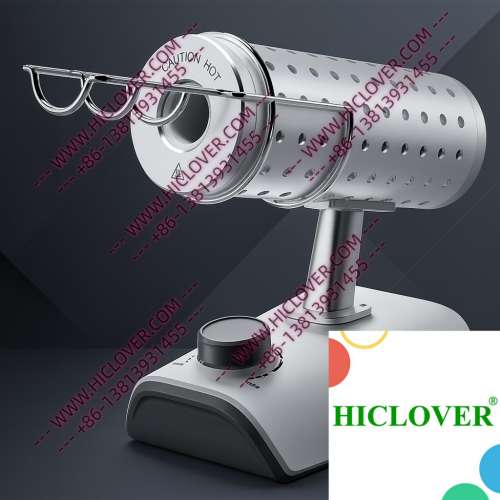
The Micro Incinerator operates using infrared heat generated within an enclosed ceramic tube. This design eliminates open flames, allowing for clean-bench-safe handling that minimizes the risk of contamination. By generating high temperatures rapidly, these sterilizers ensure that inoculation loops are sterilized in less than 5 seconds without the introduction of harmful by-products or aerosols. The device’s operation is straightforward—users insert the inoculation loop into the heated tube, and within moments, the loop is ready for microbial culture transfer.
Application Scenarios in Real Laboratory Settings
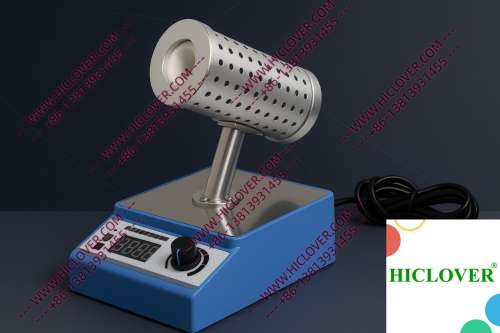
1. **Biosafety Cabinet Operations**: In clinical diagnostics laboratories operating within biosafety cabinets, using a Micro Incinerator provides enhanced sterility while protecting both the user and the samples from external contamination sources. The compact design of the sterilizer allows it to fit seamlessly within the biosafety cabinet without disrupting aseptic techniques.
2. **University Teaching Labs**: In educational settings, students learning microbiology benefit significantly from the safety and simplicity of infrared sterilizers. The elimination of flame reduces the risk of burns and allows learners to focus on the science rather than navigating the complexities of flame management. Students can gain hands-on experience with sterilization techniques while adhering to WHOs biosafety recommendations.
Compliance with Biosafety Standards
Compliance with laboratory sterilization standards is mandatory, particularly for labs working with infectious agents. Regulatory bodies, including the World Health Organization (WHO), emphasize the avoidance of flame sterilizers in cleanroom environments to prevent contamination risks. Organizations must adopt best practices for sterilization, ensuring that all equipment meets or exceeds standard operating procedures (SOPs). Additionally, using non-flame options like the Micro Incinerator aligns with the recommendations for maintaining aerosol-free environments, especially important in BSL-2 and BSL-3 labs.
| Feature | Micro Incinerator | Traditional Flame Burners |
|---|---|---|
| Heat Source | Infrared Heating | Open Flame |
| Safety | Low Risk of Fire | High Risk of Burns |
| Contamination Control | Aerosol-Free | Potential for Aerosol Release |
| Heat Recovery Time | Rapid (<= 5 seconds) | Variable |
| Portability | Highly Portable | Less Portable |
Benefits Over Traditional Flame Sterilizers
- Speed and Efficiency: The Micro Incinerator offers rapid sterilization cycles, thus improving workflow efficiency in laboratories.
- Enhanced Safety: Users are less exposed to thermal hazards associated with flames, reducing the likelihood of accidents.
- Improved Contamination Control: The sterilization process is more reliable with infrared heating, preventing introduction of harmful aerosols.
- Energy Efficient: The device utilizes less energy and does not require fuel, making it more environmentally friendly compared to traditional burners.
FAQs on Micro Incinerators
- How does a Micro Incinerator sterilize inoculation loops?
The Micro Incinerator generates infrared heat in a ceramic tube, reaching high temperatures quickly to sterilize tools without open flames.
- What are the advantages of using a Micro Incinerator over a Bunsen burner?
Micro Incinerators provide rapid sterilization, improved safety, and better contamination control.
- Can Micro Incinerators be used in field testing labs?
Yes, their portable design makes them ideal for field applications where safety and efficiency are paramount.
- Are Micro Incinerators compliant with international biosafety standards?
Yes, they meet WHO and other international guidelines, particularly for reducing aerosol risks in cleanroom settings.
- What maintenance does a Micro Incinerator require?
Minimal; users should ensure the ceramic tube is clean and that the device is functioning properly through periodic checks.
Conclusion: Upgrade Your Laboratory Sterilization Practices
In today’s advanced laboratory settings, achieving optimal microbial cultures requires the use of high-quality sterilization equipment such as the Micro Incinerator/Infrared Inoculating Loop Sterilizer. Providing rapid sterilization, enhanced safety, and effective contamination control, this innovative tool is vital across various applications—from clinical diagnostics to educational laboratories. Embrace the future of sterilization technology—contact us today to learn more about how the Micro Incinerator can transform your laboratory practices.
Categories:
Tags: