
In today’s laboratory environment, maintaining sterility is paramount. As research and clinical diagnostics become increasingly complex, scientists face the pressing challenge of contamination control. With the necessity for highly efficient sterilization workflows, the adoption of advanced sterilization technologies, such as the Micro Incinerator or Infrared Inoculating Loop Sterilizer, presents a compelling solution. This article explores the cutting-edge science behind achieving ultimate sterility through rapid thermal sterilization at 950°C.
Technical Principles: Infrared Heat and Ceramic Tube Configuration
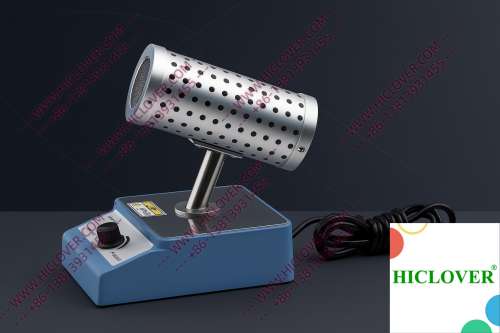
The Micro Incinerator operates on the principle of infrared high-temperature disinfection. Unlike traditional flame-based sterilizers, which often produce an open flame and can lead to uncontained aerosols, the infrared unit is designed with an enclosed ceramic heating chamber. This innovative configuration ensures that the sterilization process is both rapid and effective, minimizing the risk of contamination during the sterilization of inoculating loops and other laboratory tools.
With a capability to reach temperatures of up to 950°C, the Micro Incinerator delivers consistent and uniform heating. Its infrared technology allows for immediate activation, enabling laboratory personnel to achieve sterilization in mere seconds. The enclosed design not only protects users from aerosol exposure but also enhances safety practices within biosafety cabinets and other controlled environments.
Applications of the Micro Incinerator in Real Labs
Scenario 1: University Teaching Labs
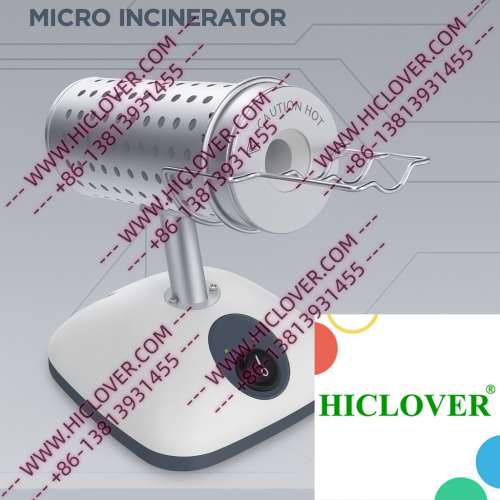
In university settings, where students engage in hands-on microbiological experiments, the necessity for a reliable and safe sterilization method is critical. The Micro Incinerator facilitates the rapid sterilization of inoculating loops used for transferring microorganisms, ensuring that students can work efficiently without the risks associated with alcohol lamps or Bunsen burners. By promoting contamination control and a clean-bench-safe environment, this sterilizer supports the educational goals of teaching labs.
Scenario 2: BSL-2 Microbiology Labs
In BSL-2 laboratories, where work with moderate-risk pathogens is the norm, safety is paramount. The use of an Infrared Inoculating Loop Sterilizer allows technicians to achieve effective sterilization without generating hazardous aerosols, a common downside of traditional flame-based sterilization methods. The design of the Micro Incinerator aligns with the stringent requirements of BSL-2 protocols, making it an invaluable asset in maintaining laboratory biosafety.
Compliance and Environmental Considerations
Organizations worldwide adhere to specific biosafety and laboratory sterilization standards, including those set by the WHO. These guidelines prioritize contamination control and safe sterilization practices. For instance, in environments where clean rooms are essential, the use of flame sterilizers is often prohibited due to the production of particulate matter and potential contamination. In contrast, the enclosed design of the Micro Incinerator complies with cleanroom standards, repurposing the principles of high-temperature sterilization without compromising on safety.
Furthermore, as laboratories endeavor to reduce their environmental footprint, flame-based methods involving alcohol and gas are increasingly scrutinized. The Micro Incinerator offers a sustainable alternative by mitigating potential emissions associated with open flames. Its efficiency and rapid sterilization capability contribute to decreased resource consumption, affirming its place in the evolving landscape of laboratory sterilization.
Comparison of Micro Incinerator vs. Flame Burners
| Feature | Micro Incinerator | Flame Burners |
|---|---|---|
| Sterilization Temperature | Up to 950°C | Varies, typically below 800°C |
| Heat Source | Infrared radiation | Open flame (gas/alcohol) |
| Aerosol Generation | Minimal | High |
| Safety Features | Enclosed ceramic chamber | No containment |
| Compliance with Cleanroom Standards | Yes | No |
Frequently Asked Questions
- How quickly can the Micro Incinerator sterilize an inoculating loop?
The Micro Incinerator can achieve sterilization in less than 10 seconds. - Is the Micro Incinerator safe to use in BSL-2 and BSL-3 labs?
Yes, its aerosol-free operation makes it compliant with BSL-2 and BSL-3 safety protocols. - What are the environmental benefits of using an Infrared Inoculating Loop Sterilizer?
The device reduces resource consumption and does not produce hazardous emissions associated with traditional flame sterilizers. - Can this sterilizer be used in cleanrooms?
Yes, the Micro Incinerator’s design fits within cleanroom standards, making it a suitable sterilization method for such environments. - How does the Micro Incinerator compare cost-wise with traditional methods?
While initial costs may be higher, the efficiency and longer lifespan result in cost savings over time.
Conclusion
In summary, the challenges associated with laboratory biosafety and contamination control necessitate advanced sterilization solutions. The Micro Incinerator—not only delivering superior temperature capabilities but also ensuring compliance with rigorous safety standards—stands out as an essential tool in modern labs. Embrace the future of sterilization in your laboratory setting. For more information or to place an order for the Micro Incinerator, please contact us today and discover how this innovative solution can enhance your laboratory’s sterilization practices.
Categories:
Tags: