
In today’s rapidly evolving scientific landscape, laboratory biosafety challenges have become increasingly evident. From the need for efficient sterilization methods to ensure contamination control, to the demand for sustainable practices that do not compromise performance, laboratories are facing critical hurdles. Among emerging solutions, the Micro Incinerator or Infrared Inoculating Loop Sterilizer has gained recognition as a game-changing piece of equipment that addresses these challenges while promoting eco-friendliness.
Technical Principles of Micro Incinerators
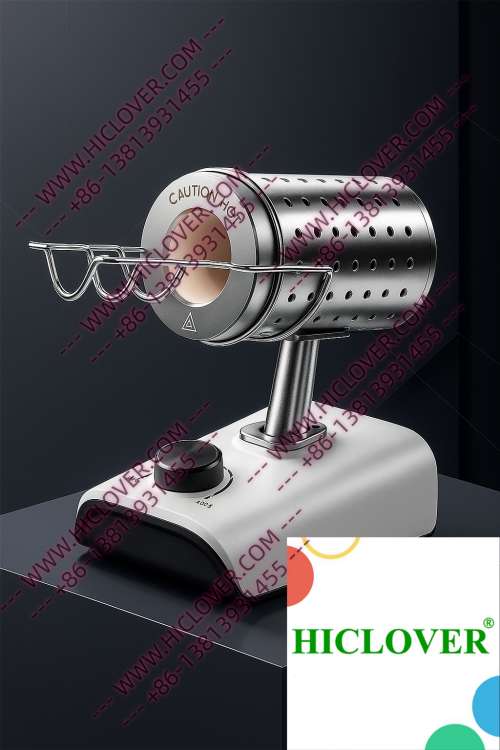
At the core of the Micro Incinerator’s effectiveness lies its innovative use of infrared heat. Traditional sterilization methods, like alcohol lamps and Bunsen burners, generate flames, which pose both safety risks and are inefficient in terms of energy use. Conversely, the Micro Incinerator utilizes a ceramic heating chamber that produces concentrated heat for rapid thermal sterilization.
The system is designed to operate with minimal energy wastage, ensuring that heat is applied directly to the inoculating loops or other lab instruments being sterilized. The enclosed ceramic tube creates an environment that effectively manages heat dispersion while preventing the release of harmful aerosols or fumes. This design not only enhances safety but also preserves the integrity of sterile conditions in the laboratory environment.
Applications in Real Labs
The versatility of the Micro Incinerator makes it suitable for various laboratory settings. Here are two application scenarios:
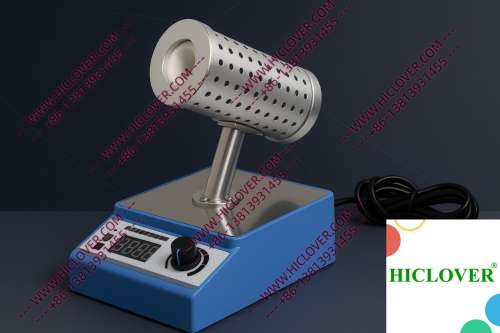
1. Biosafety Cabinet Integration
In BSL-2 and BSL-3 microbiology labs, the Micro Incinerator serves as an essential tool within biosafety cabinets. The closed design ensures that sterilization occurs without compromising airflow or creating contamination risks. As microbiologists work with pathogenic organisms, the eco-friendly advantage of reducing flame usage provides a safer alternative, decreasing the likelihood of accidental fires or cross-contamination.
2. Field Testing and Teaching Labs
Mobile or field testing labs also benefit from the lightweight and high operational efficiency of the Micro Incinerator, allowing researchers to maintain strict sterilization protocols without the bulk of traditional methods. In educational settings, such as university teaching labs, instructors can demonstrate sterilization techniques without the hazards associated with open flames. This not only saves time but reinforces a culture of safety and responsibility in laboratory practices.
Compliance with Biosafety Standards
When considering laboratory equipment, compliance with international biosafety and sterilization standards is paramount. The World Health Organization (WHO) and various local regulations mandate certain protocols to mitigate contamination risks in laboratories. For instance, flame-based sterilizers are often discouraged in clean rooms due to their tendency to produce smoke and temperature variations that can disrupt experiments.
- WHO biosafety guidelines assert the need for safe and effective sterilization methods.
- Laboratory sterilization standards emphasize the necessity of aerosol-free handling.
- Regions like Europe, North America, and Asia-Pacific advocate for innovations like the Micro Incinerator to enhance environmental and lab safety compliance.
Advantages over Traditional Flame Sterilizers
When comparing the Micro Incinerator to traditional flame burners, several notable advantages emerge:
- Increased Safety: The absence of an open flame mitigates fire risks.
- Environmental Responsibility: Less energy consumption promotes a sustainable laboratory environment.
- Enhanced Efficiency: Rapid thermal sterilization shortens wait times and improves workflow in busy laboratories.
| Feature | Micro Incinerator | Flame Sterilizers |
|---|---|---|
| Heat Source | Infrared | Open Flame |
| Aerosol Production | No | Yes |
| Energy Efficiency | High | Moderate |
| Applications | Clean Rooms, Field Labs | General Use |
Frequently Asked Questions
- What is a Micro Incinerator used for?
It is primarily used for sterilizing inoculating loops and other lab equipment by employing rapid thermal sterilization methods that are safe and efficient. - How does the Micro Incinerator differ from other sterilization methods?
Unlike traditional flame sterilizers, it uses infrared heat, ensuring faster and more reliable sterilization without flames. - Is the Micro Incinerator compliant with laboratory safety standards?
Yes, it meets WHO biosafety guidelines and is designed to be safe for use in clean rooms and other sensitive laboratory environments.
Conclusion
As laboratories strive to adopt eco-friendly practices while enhancing their sterilization protocols, the Micro Incinerator emerges as a leading solution. With its ability to address environmental concerns without compromising on performance, it is becoming an invaluable asset in laboratories ranging from clinical diagnostics to educational institutions. If you’re interested in learning more about this innovative sterilization equipment or are ready to invest in environmentally responsible lab solutions, feel free to contact us today!
Categories:
Tags: