
In the realm of laboratory safety and hygiene, achieving effective sterilization remains a foremost concern, especially in countries like Bangladesh where healthcare infrastructure often grapples with a scarcity of resources. Biosafety challenges—such as managing microbial contamination in research labs and ensuring the safety of laboratory personnel—are pivotal in mitigating health risks. Increasingly, laboratories are turning to advanced sterilization technologies, such as the Micro Incinerator or Infrared Inoculating Loop Sterilizer, to meet the critical demand for reliable sterilization.
Understanding the Technical Principles of Micro Incinerators
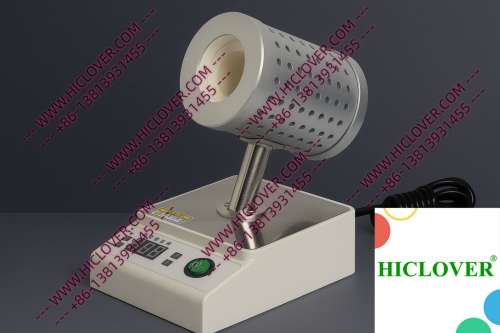
The Micro Incinerator operates on the principle of rapid thermal sterilization, leveraging infrared heat to achieve high-temperature disinfection. Unlike traditional flame sterilizers, such as alcohol lamps and Bunsen burners, which use open flames that can pose risks in cleanroom environments, the Micro Incinerator offers a safer alternative. Its enclosed ceramic heating chamber generates infrared rays that effectively sterilize inoculating loops, scalpels, and other lab tools with precision and efficiency.
Key Features of Micro Incinerators
- Rapid Sterilization: Achieves sterilization in seconds, minimizing workflow interruptions.
- Consistent Temperature Control: Ensures an even heat distribution for reliable disinfection.
- Safe for Cleanrooms: No open flames, making it suitable for sensitive lab environments.
- Aerosol-Free Handling: Reduces the risk of contamination during the sterilization process.
- What are the primary benefits of using a Micro Incinerator in laboratory settings?
The Micro Incinerator offers rapid sterilization, safety in clean environments, and the elimination of harmful aerosols, significantly enhancing laboratory workflow. - How does the Micro Incinerator work without an open flame?
It employs infrared heat within a ceramic chamber, allowing for safe and effective sterilization of instruments without combustion-related hazards. - Can the Micro Incinerator be used in field testing environments?
Yes, its compact design and ease of use make it ideal for mobile labs where sterilization is critical yet access to traditional methods is impractical. - Is the Micro Incinerator suitable for BSL-2 and BSL-3 labs?
Absolutely, it complies with rigorous biosafety standards and provides a safe solution for high-containment laboratories. - How do I maintain the Micro Incinerator for optimal performance?
Regular cleaning and inspection of the ceramic tube will ensure efficient operation and longevity of the device.
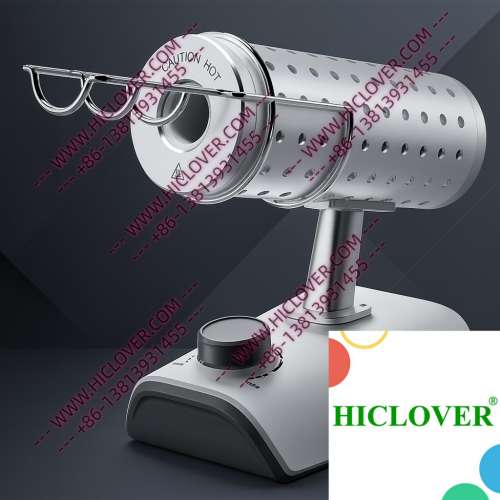
Application Scenarios in Laboratory Settings
Micro Incinerators have found versatile applications in various laboratory setups, enhancing biosafety and operational efficiency. Here are two prominent scenarios:
1. University Teaching Labs
In academic settings, teaching labs often require a blend of safety and practical learning experiences. The Micro Incinerator is crucial in these environments. Students can sterilize inoculating loops directly at their workstations without creating flammable hazards, promoting a culture of safety and professionalism right from their foundational training. This device not only helps in maintaining the sterility of cultures but also instills confidence in students regarding safe laboratory practices.
2. Clinical Diagnostics and Field Testing Labs
In clinical environments and mobile field testing labs, the urgency of maintaining aseptic conditions is paramount. The Infrared Inoculating Loop Sterilizer is integral for rapid orientation and manipulation of samples. Specialists can conduct tests and collect samples while adhering strictly to sterilization protocols and minimizing cross-contamination risks. Particularly in rural areas of Bangladesh where access to clean utilities may be sporadic, this innovation serves as a critical component in sustaining healthcare initiatives.
Biosafety Compliance and Environmental Considerations
Complying with WHO biosafety standards is essential, particularly for BSL-2 and BSL-3 microbiology labs. Micro Incinerators help labs meet rigorous sterilization requirements without compromising environmental integrity. Sterilization processes employing open flames are less suited for cleanroom environments due to the potential for generating harmful aerosols and particulate matter. By utilizing infrared technology, these sterilizers adhere to strict lab sterilization standards while improving occupational safety.
Compliance Fact: WHO biosafety guidelines recommend that laboratories employ flame-free sterilization methods to protect personnel and reduce contamination.
Advantages Over Traditional Flame Sterilizers
The shift from traditional flame sterilizers to micro incinerators presents several advantages:
| Aspect | Micro Incinerator | Traditional Flame Sterilizers |
|---|---|---|
| Safety | No open flames, reducing fire hazards | Open flames, increasing risk |
| Speed | Rapid sterilization in seconds | Longer heating times |
| Consistency | Uniform heat distribution | Varied heat due to manual control |
| Environmental Impact | Less aerosol generation | Possible aerosol production |
FAQs
Conclusion
In conclusion, the Micro Incinerator or Infrared Inoculating Loop Sterilizer represents a revolution in laboratory sterilization techniques, contributing significantly to biosafety and sanitation in Bangladesh and beyond. Its advanced features, safety profile, and compliance with international standards make it a must-have for laboratories aiming to improve their sterilization workflows. If you are considering enhancing your laboratory’s sterilization capabilities, do not hesitate to reach out for more information or a purchase consultation!
Categories:
Tags: