
In the heart of the Middle East, Kuwait faces significant environmental challenges, especially pertaining to waste management and laboratory biosafety. As research and industry demand safe and effective sterilization methods, the advent of micro incineration technology offers promising solutions. This article explores the Micro Incinerator / Infrared Inoculating Loop Sterilizer in laboratory settings, particularly emphasizing its impact on sterile environments and contamination control.
Practical Laboratory Biosafety Challenges
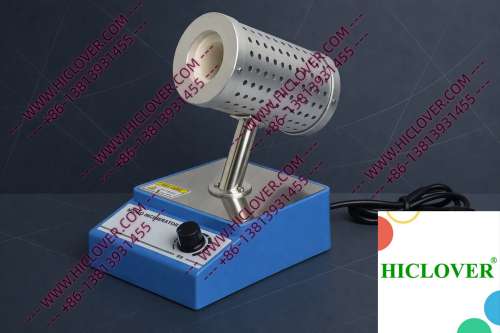
Modern laboratories confront a myriad of biosafety challenges, particularly in the context of growing global health concerns. Ensuring effective sterilization while using equipment that minimizes contamination risks is crucial. For example, traditional sterilization methods, such as alcohol lamps and Bunsen burners, pose fire hazards and generate aerosols that can compromise sterile environments. The need for rapid thermal sterilization methods that meet stringent safety standards has never been more pressing.
Technical Principles of Micro Incineration Technology
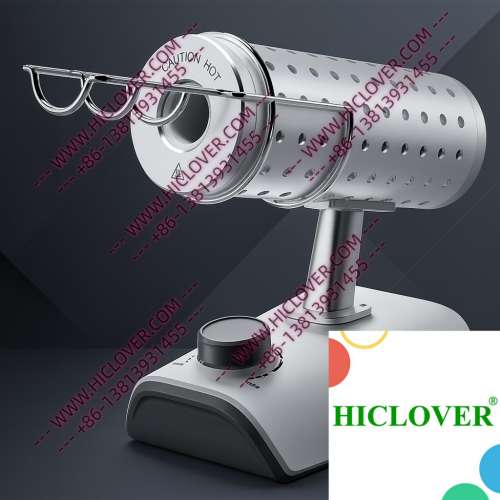
The Micro Incinerator operates on an innovative principle of infrared heating. Unlike typical flame-based sterilizers, the Micro Incinerator uses a contained ceramic heating chamber that effectively reaches high temperatures, ensuring rapid and thorough disinfection without the associated risks of flames.
- Infrared Heat: Ensures quick sterilization while reducing the risk of burns and igniting flammable materials.
- Enclosed Ceramic Tube: Provides a focused heat source that maximizes energy efficiency and safeguards against aerosol generation.
- Clean-Bench-Safe: Ideal for use in biosafety cabinets, protecting both samples and users from contamination.
- What is the operating temperature of the Micro Incinerator?
The Micro Incinerator can reach temperatures of up to 800°C, ensuring efficient sterilization of inoculating loops and other lab instruments. - Can the Micro Incinerator be used in a BSL-3 lab?
Yes, the Micro Incinerator is suitable for use in BSL-2 and BSL-3 labs, as it adheres to rigorous biosafety standards. - How does the Micro Incinerator reduce contamination risks?
Its enclosed design prevents the release of aerosols, while its rapid heating minimizes exposure time needed to achieve full sterilization. - Is the Micro Incinerator easy to use?
Yes, its user-friendly design allows for straightforward operation, making it suitable for both academic and professional settings. - What maintenance does the Micro Incinerator require?
The Micro Incinerator requires minimal maintenance; periodic cleaning and routine checks on the ceramic tube for wear are recommended.
Applications in Real Labs
1. University Teaching Labs
In academic environments, such as Kuwait University, students often engage in microbiology experiments requiring sterile techniques. The Micro Incinerator allows students to perform inoculations and media transfers without the risks associated with traditional flame sterilizers. Its compact design is particularly advantageous in crowded laboratory settings, ensuring that sterilization can occur swiftly and safely.
2. Clinical Diagnostics in BSL-2 Laboratories
In clinical labs, particularly those conforming to BSL-2 standards, the Micro Incinerator proves invaluable. It provides a reliable means to sterilize inoculating loops and needles within a biosafety cabinet, drastically reducing the risk of organisms escaping into the environment. By eliminating the use of flames, the Micro Incinerator also promotes a cleaner work environment, essential for accurate test results and patient safety.
Compliance with Biosafety Standards
When addressing sterilization processes in Kuwait, compliance with WHO biosafety standards and local guidelines is paramount. The Micro Incinerator meets these stringent requirements by offering a safe and effective alternative to flame-based sterilization. It adheres to laboratory sterilization standards that do not permit open flames within clean rooms, which can lead to contamination and safety hazards.
“An effective sterilization process is fundamental to ensuring laboratory safety and compliance with international health regulations.”
Advantages over Traditional Flame Sterilizers
When comparing the Micro Incinerator to traditional flame sterilizers, several advantages emerge:
| Feature | Micro Incinerator | Flame Burners |
|---|---|---|
| Safety | No flames, reducing burn risks | Open flames, potential hazards |
| Efficiency | Rapid thermal sterilization | Longer heating times |
| Contamination Control | Enclosed design minimizes aerosol | Aerosol generation |
| Portability | Compact size for varied applications | Less portable due to fuel sources |
Frequently Asked Questions
Conclusion
Kuwait’s environmental challenges call for innovative solutions in laboratory sterilization. The Micro Incinerator/Infrared Inoculating Loop Sterilizer not only meets the demands of modern biosafety practices but also aligns with global environmental standards. By transitioning to micro incineration technology, laboratories can enhance their sterilization workflows, ensure compliance with health regulations, and contribute to a sustainable future.
For more information about how the Micro Incinerator can transform your laboratory’s sterilization processes, please feel free to contact us or request a quote. Let’s work together to elevate your lab’s efficiency and safety.
Categories:
Tags: