
Laboratories worldwide face critical biosafety challenges due to the increasing amount of hazardous waste generated. Traditional flame sterilization tools, such as alcohol lamps and Bunsen burners, are no longer adequate for efficient and safe waste management. The demand for reliable, rapid, and safe sterilization methods in laboratory workflows has led to the emergence of advanced solutions such as the Micro Incinerator / Infrared Inoculating Loop Sterilizer. This article explores how these devices address modern laboratory needs while ensuring compliance with biosafety standards.
Technical Principles of Micro Incinerators

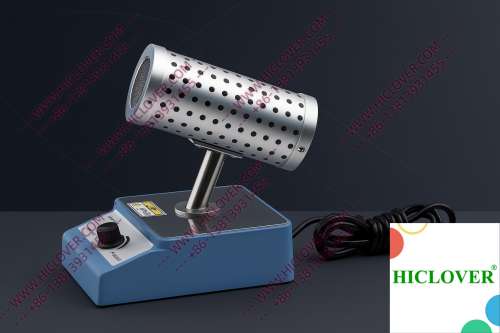
Micro incinerators employ infrared heat technology to achieve high-temperature disinfection in a controlled manner. Unlike traditional methods that use open flames, the micro incinerator utilizes a ceramic heating chamber that provides rapid thermal sterilization. This enclosed design minimizes the risk of contamination and exposure to harmful aerosols, central to maintaining a clean and safe laboratory environment. Moreover, the heating element allows for uniform temperature distribution, ensuring consistent sterilization results.
Applications in Real Laboratories
Biosafety Cabinets
In BSL-2 and BSL-3 microbiology labs, micro incinerators play a crucial role in sterilizing inoculating loops and other instruments. The compact size ensures easy integration into biosafety cabinets, allowing for seamless workflow without compromising environmental safety. As researchers perform complex procedures, they can rapidly sterilize tools without needing an open flame, thus eliminating potential hazards related to fire and aerosol generation.
University Teaching Labs
In educational settings, micro incinerators are an effective tool for teaching laboratory safety and sterilization processes. They provide students with hands-on experience in using advanced sterilization technology in a controlled environment. Instructors can emphasize proper sterilization techniques while students benefit from the inherent safety features that eliminate concerns associated with traditional flame-based equipment.
Compliance with Biosafety Standards
The use of micro incinerators aligns with the recommendations set forth by the World Health Organization (WHO) and other regulatory bodies. These organizations emphasize the importance of enhancing laboratory safety and minimizing contamination risks. Some of the notable standards include:
- WHO Biosafety in Microbiological and Biomedical Laboratories
- ISO 13485 for medical devices
- CLSI guidelines for laboratory practices
Flame sterilizers have notable safety concerns, especially in clean rooms where any open flame poses a contamination risk. Transitioning to micro incinerators significantly mitigates these concerns, making them compliant in environments that adhere to strict sterilization protocols.
Advantages Over Traditional Flame Sterilizers
| Feature | Micro Incinerator | Flame Sterilizers |
|---|---|---|
| Flame Type | Infrared, enclosed | Open flame |
| Safety | Aerosol-free handling, clean-bench-safe | Risk of combustion, contamination |
| Temperature Control | Rapid and uniform | Difficult to regulate |
| Portability | Compact and user-friendly | Generally bulkier |
Conclusion
As laboratories confront the dual challenges of waste management and biosafety, high-efficiency Micro Incinerators stand out as a viable solution. Their cutting-edge technology not only enhances sterilization workflows but also ensures compliance with safety regulations. Whether in a BSL-3 lab or a university teaching facility, the transition to a Micro Incinerator represents a significant step toward improved laboratory practices. Given the myriad of benefits, those interested in making a smart upgrade to their sterilization equipment are encouraged to reach out for more information about our highly efficient infrared inoculating loop sterilizers.
Frequently Asked Questions
What makes a micro incinerator safer than traditional flame sterilizers?
Micro incinerators use infrared technology, offering aerosol-free handling and eliminating the risk of open flames in sensitive environments.
Can micro incinerators be used in field testing scenarios?
Yes, their compact design and easy portability make micro incinerators suitable for mobile or field testing labs.
How do micro incinerators comply with laboratory safety standards?
Micro incinerators adhere to WHO biosafety recommendations and other sterilization protocols, ensuring effective and safe operation within regulated labs.
Are micro incinerators applicable in university teaching labs?
Absolutely! They provide students practical exposure to advanced sterilization technologies, enhancing both their learning and safety.
What types of laboratories benefit most from using a micro incinerator?
BSL-2 and BSL-3 microbiology labs, clinical diagnostics, and educational institutions greatly benefit from enhanced sterilization capabilities.
Categories:
Tags: