
As the need for advanced laboratory sterilization equipment continues to rise, the waste crisis in Sri Lanka presents unique challenges for biosafety and sterilization workflows. Laboratories, whether they are in clinical diagnostics or university settings, are grappling with increasing biosafety demands, necessitating efficient and environmentally friendly solutions.
Laboratory Biosafety Challenges
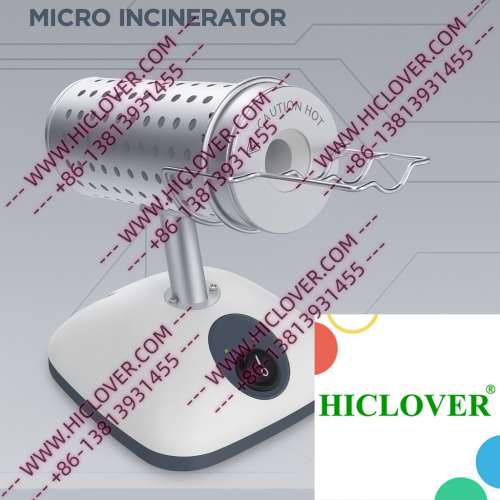
In environments such as BSL-2 and BSL-3 microbiology labs, the efficient sterilization of inoculating loops and other reusable tools is essential to prevent contamination. Traditional flame-based sterilization methods, such as alcohol lamps and Bunsen burners, pose various issues, including aerosol generation and the need for open flames, which can compromise the sterile surroundings. Moreover, these methods often result in inconsistent sterilization due to temperature fluctuations.
Overview of Micro Incinerators
The Micro Incinerator, particularly the Infrared Inoculating Loop Sterilizer, offers a modern alternative tailored to meet these challenges. Operating on the principle of rapid thermal sterilization, this device harnesses infrared heat within a contained ceramic heating chamber. By utilizing high-temperature disinfection techniques, it ensures that instruments are quickly and efficiently sterilized without the negative side effects associated with flame-based methods.
Technical Principles of Operation
The Micro Incinerator employs a unique enclosed ceramic tube that focuses infrared radiation to generate localized heat. This design allows for:
- Quick sterilization cycles: Tools can be sterilized within seconds.
- Aerosol-free handling: The closed system minimizes exposure to contaminants and prevents the release of particles into the air.
- Efficiency and consistency: The precise temperature control ensures uniform sterilization across all instruments.
Application Scenarios in Real Labs
1. BSL-2 and BSL-3 Microbiology Labs
In microbiology labs where pathogenic organisms are handled, the stakes for contamination are high. Micro Incinerators are used within biosafety cabinets to rapidly sterilize inoculating loops between uses. This integration not only enhances the workflow but also maintains the integrity of the clean environment, making it safer for laboratory personnel.
2. University Teaching Labs
In educational institutions, students often require practical experience in sterilization techniques. The Infrared Inoculating Loop Sterilizer allows for a safe, user-friendly learning environment. Instructors can demonstrate effective sterilization methods without the risks associated with open flames, providing students with essential hands-on experience while adhering to safety standards.
Compliance and Environmental Considerations
Adhering to global biosafety standards, such as those set by the World Health Organization (WHO), is crucial for every laboratory. The Micro Incinerator aligns with lab sterilization standards by offering a flame-free solution that can be efficiently used in clean rooms and sensitive environments. Given that flame-based sterilizers can generate aerosols and harmful emissions, shifting to a Micro Incinerator not only complies with safety regulations but also advances sustainability initiatives.
Micro Incinerator vs. Traditional Flame Sterilizers
| Features | Micro Incinerator | Flame Sterilizers |
|---|---|---|
| Operation Safety | No open flame; safer for lab staff | Open flame; risk of fire hazards |
| Sterilization Speed | Seconds | Variable; often slower |
| Contamination Risk | Aerosol-free handling | Aerosol generation present |
| Compliance | Meets WHO standards | May not meet all safety protocols |
Frequently Asked Questions
- What is the primary advantage of a Micro Incinerator over traditional methods?
It significantly reduces contamination risks and enhances sterilization efficiency with a flame-free, rapid thermal approach. - Can Micro Incinerators be used for field testing?
Yes, their portable design makes them suitable for mobile or field laboratories requiring safe sterilization solutions. - How do I ensure compliance with laboratory standards when using a Micro Incinerator?
Follow operational guidelines that align with WHO standards and adopt practices that prioritize safety and contamination control. - Is training necessary to use a Micro Incinerator?
While it is user-friendly, proper training is recommended to ensure compliance with safety protocols and effective operation. - What maintenance does a Micro Incinerator require?
Regular cleaning and inspection of the ceramic heating chamber will prolong its lifespan and maintain proper functionality.
Conclusion
Micro Incinerators and Infrared Inoculating Loop Sterilizers represent a transformative shift in how laboratories tackle the challenges of sterilization, particularly in high-risk biosafety environments. By reducing contamination risks and adhering to safety standards, these tools support efficient research and education while contributing to addressing larger waste management issues in Sri Lanka.
If you’re interested in upgrading your laboratory practices with a Micro Incinerator or would like more information on our products, please feel free to contact us today!
Categories:
Tags: