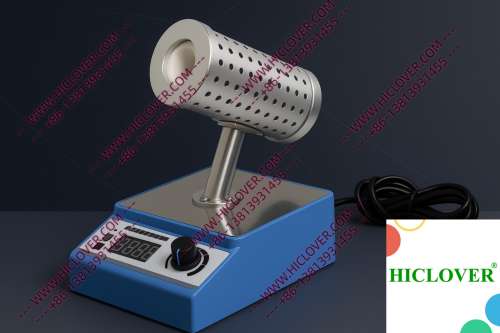
In the face of increasing urban waste challenges, Algeria, like many countries, is exploring innovative solutions to streamline waste management and ensure biosafety in laboratory environments. With the rising demands for effective sterilization methods in laboratories, the Micro Incinerator / Infrared Inoculating Loop Sterilizer stands out as a highly effective tool. This article delves into the practical aspects of urban waste issues, as well as the features, applications, and compliance standards of this advanced sterilization equipment.
Laboratory Biosafety Challenges: A Growing Concern
Laboratories, especially those dealing with biologically hazardous materials, are required to uphold stringent biosafety protocols. Traditional sterilization methods, such as alcohol lamps and Bunsen burners, often compromise safety in clean environments due to the risk of fire, aerosol generation, and contamination during usage. Additionally, the need for rapid thermal sterilization in biosafety-level labs (BSL-2 and BSL-3) challenges existing workflows. The limitations of these methods call for alternatives that not only maintain a sterile environment but also adhere to worldwide safety standards.
Understanding the Micro Incinerator
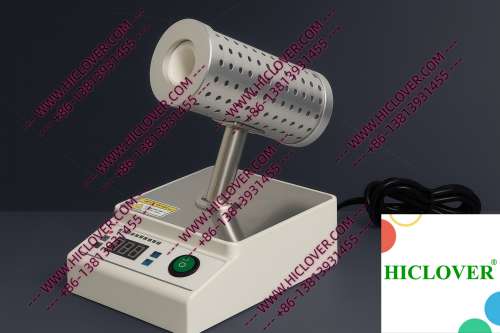
The Micro Incinerator offers a cutting-edge solution that utilizes infrared heating technology to achieve efficient and effective sterilization. The enclosed ceramic tube design provides a safe environment for rapid high-temperature disinfection without the hazards associated with open flames. The key principle behind this device lies in its ability to generate precise infrared heat, enabling effective sterilization of inoculating loops, needles, and other laboratory instruments within mere seconds.
This compact device operates on a simple mechanism, which can significantly enhance sterilization workflow in laboratories. Some notable features include:
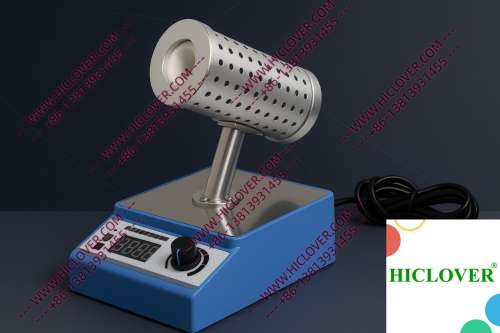
- Rapid heating capabilities, enabling sterilization in less than 10 seconds.
- An enclosed design that minimizes the risk of contamination and aerosol generation.
- Energy efficiency, allowing for sustained operation without excessive energy consumption.
- Compact size for easy placement in various laboratory settings, including biosafety cabinets.
Application Scenarios: Transforming Routine Lab Practices
Micro Incinerators find their utility in various laboratory scenarios, facilitating enhanced safety and operational efficiency. Below are two practical application scenarios:
1. Biosafety Cabinets
In BSL-2 and BSL-3 microbiology labs, contamination control is of utmost importance. The Micro Incinerator fits perfectly within biosafety cabinets, allowing researchers to sterilize instruments immediately after use without exposing the laboratory environment to flames or chemical fumes. This closed system not only safeguards personnel but also maintains the integrity of sensitive experiments.
2. University Teaching Labs
In educational settings, particularly in university teaching labs, the Micro Incinerator serves as a valuable training tool to instill best biosafety practices among students. Its rapid sterilization process provides an opportunity to prioritize cleanliness and encourage responsible laboratory behavior while demonstrating the importance of proper sterilization techniques.
Compliance and Environmental Considerations
With the growing emphasis on biosafety and compliance, the Micro Incinerator aligns with various global standards, including those set forth by the World Health Organization (WHO) and laboratory sterilization standards. The absence of an open flame in clean rooms ensures a safer working environment especially during critical processes involving pathogens and other biohazards.
In addition, using Micro Incinerators reduces the environmental footprint associated with traditional sterilizers. With controlled thermal processing, waste material is converted into ash, minimizing the public health concerns associated with landfill disposals or incineration practices that emit harmful gases.
| Feature | Micro Incinerator | Flame Burners |
|---|---|---|
| Heat Source | Infrared | Open Flame |
| Contamination Risk | Low | High |
| Energy Efficiency | High | Moderate |
| Usage in Clean Rooms | Safe | Unsafe |
| Heating Time | < 10 seconds | Variable |
Frequently Asked Questions (FAQs)
- What is a Micro Incinerator? A Micro Incinerator is a laboratory sterilization device that uses infrared heating technology to rapidly sterilize inoculating loops, needles, and other instruments without open flames.
- How does the Micro Incinerator compare to traditional flame sterilizers? It offers lower contamination risks, higher energy efficiency, and is safe for use in clean rooms, unlike flame sterilizers.
- Can the Micro Incinerator be used in mobile or field testing labs? Yes, its compact design makes it suitable for mobile applications, providing sterilization capabilities on-site.
- Does the Micro Incinerator comply with global biosafety standards? Absolutely, it adheres to WHO biosafety standards and is designed for safe use in various laboratory settings.
- What environments are best suited for the Micro Incinerator? It is ideal for university teaching labs, clinical diagnostics, and BSL-2 and BSL-3 microbiology labs.
Conclusion: Embrace the Future of Sterilization
As Algeria continues to confront urban waste challenges while enhancing laboratory practices, the Micro Incinerator emerges as a revolutionary solution. Its ability to provide rapid and efficient sterilization while adhering to strict biosafety standards marks a significant advancement in laboratory equipment technology. By investing in the Micro Incinerator / Infrared Inoculating Loop Sterilizer, laboratories can not only improve their sterilization workflows but also contribute to safer and environmentally friendly practices.
If you are ready to elevate your laboratory’s biosafety protocols and sterilization efficiency, consider reaching out to us for more information or a demonstration. Let’s take the next step towards a cleaner and safer laboratory environment together.
Categories:
Tags: